

🌱 GROWING IN A RELATIONSHIP WITH GOD
🕊️ Lesson 7: Practical Prayer
📘 7.6 Summary
Prayer Between Hope, Struggle, and God’s Answer
📖 1. Introduction – The Human Need for Prayer
Prayer belongs to the deepest needs of human beings.
In joy, fear, despair, or hope, people search for someone who hears and responds.
Psalm 62 describes exactly this longing:
👉 “Trust in Him at all times … pour out your hearts before Him.”
This lesson shows:
Prayer is not an empty ritual, but the expression of a living hope in God’s intervention.
📜 2. The Biblical Foundation – Three People, Three Prayers
The lesson introduces three different people:
- Hannah
- Elijah
- Daniel
Each of them prays in a different life situation.
Yet they all show:
👉 God meets people in joy as well as in fear, discouragement, and longing.
🌍 3. Connection to Today’s World
Even today, people often experience tensions in their prayer life:
- some prayers seem to remain unanswered
- some situations do not change immediately
- sometimes only silence remains
Especially then the question arises:
👉 Does God really hear?
The stories in this lesson show:
God’s answer does not always come visibly or immediately — but His presence remains real.
💡 4. Central Message of the Lesson
👉 True prayer arises from trust in God — even when feelings fluctuate or answers seem delayed.
Prayer means:
- holding on to hope
- seeking God’s presence
- clinging to Him despite uncertainty
✝️ 5. Theological Focus
At the center of this lesson is the diversity of genuine prayer.
Hannah’s prayer shows that God takes human pain and bitterness seriously. Her prayer begins with tears and hopelessness, yet ends with joy and praise. This makes visible:
👉 God can transform suffering into hope.
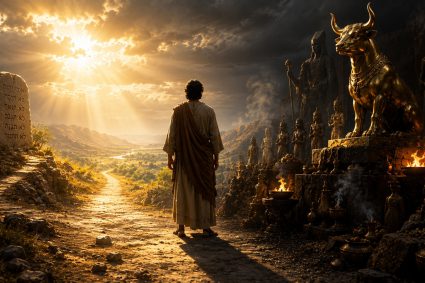
Elijah shows another side of prayer. On Mount Carmel he experiences God’s power visibly through fire from heaven. Shortly afterward, however, he falls into fear and exhaustion. What is especially significant is:
God meets Elijah not in the storm or the fire, but in the “still, small voice.”
In this way the Bible makes clear:
👉 God’s presence is not shown only in the spectacular, but often in quiet nearness.
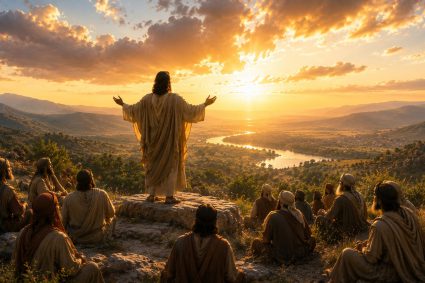
Daniel’s prayer, in turn, reveals intercession, repentance, and longing for redemption. He recognizes God’s greatness and at the same time his own guilt and dependence.
The repeated plea:
“O Lord, hear! … act!”
shows a sincere, persistent prayer full of hope.
Another theological thought in this lesson is:
Prayer connects human beings with God’s work in history.
Especially in Daniel it becomes visible:
Prayer directs the gaze beyond one’s own situation toward God’s greater plan of redemption.
👉 Theologically decisive:
Prayer is an encounter with the living God — in pain, in silence, in struggle, and in hope for His redemption.
📖 6. The Three Types of Prayer Explained
Hannah’s Prayer
begins with sorrow and inner brokenness. She honestly brings her deepest need before God. From this later come praise and gratitude.
Elijah’s Prayer
shows two sides:
- public trust in God’s power
- personal struggle with fear and discouragement
God’s quiet voice teaches:
Not every divine answer is loud or spectacular.
Daniel’s Prayer
is marked by:
- humility
- intercession
- repentance
- hope in God’s intervention
His prayer demonstrates spiritual depth and perseverance.
👉 In summary:
The Bible does not show perfect, emotionless prayer, but honest people who come to God with everything.
🔧 7. Application in Daily Life
This lesson becomes practical through concrete steps:
- honestly telling God your feelings
- continuing to pray even in discouragement
- paying attention to God’s quiet guidance
- learning patience while waiting
- regularly interceding for others
❓ 8. Reflection Question
Do I seek God’s presence only in extraordinary moments — or am I willing to recognize His quiet voice in everyday life as well?
🌟 9. Final Thought
Prayer is not only a cry for help.
It is a relationship that grows through trust.
Because:
👉 Those who seek God even in silence, waiting, and uncertainty often discover His deepest presence precisely there.