From Nimrod to Israel – God’s Plan for the Nations
🟦 Introduction – Between Kingdoms and Divine Calling
Since the days after Eden, people have sought structure, security, and significance—often in human kingdoms, political systems, and self-made paths. Yet again and again God calls out a people—not to be superior, but to become a living testimony of His truth and love. This lesson has taken us from Nimrod to the Three Angels’ Messages—and poses the question: What is our calling today?
📖 Bible Study – A Journey Through the Nations’ Story
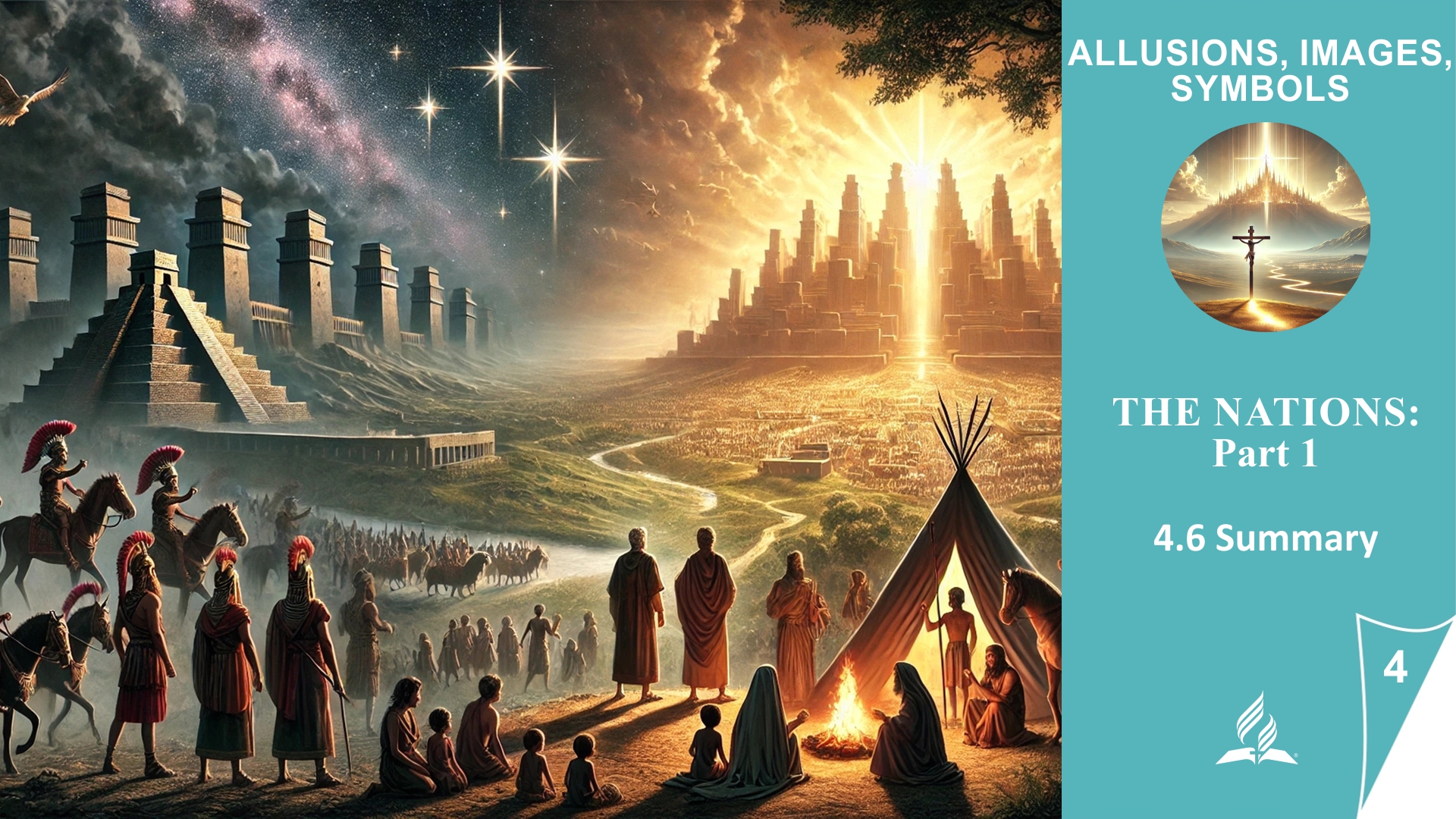
Nimrod and Nineveh – The Origin of Rebellion Genesis 10:1–12 describes Nimrod as “a mighty hunter before the LORD”—not a compliment, but a sign of defiance. He founded cities like Babel and Nineveh, metropolises of pride and human power. The Bible warns: any attempt to reclaim Eden by human means ends in spiritual alienation. Nimrod’s story is the archetype of building a kingdom without God—and failing.
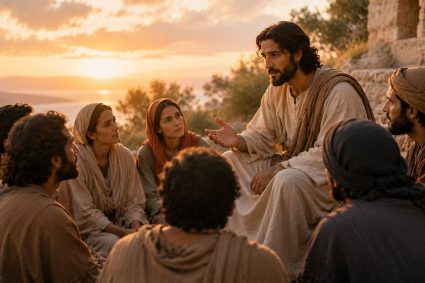
Abraham’s Calling – A Call to Separation Genesis 12:1–9 shows a man who hears God’s voice—and leaves everything behind. Abraham is summoned out of Ur because God needed a fresh start. Israel was to be different: a nation without a human king, yet with a divine mandate. Deuteronomy 4:5–9 reveals that through obedience Israel was meant to shine as a light to the nations—not by isolation, but by godly influence.
Getting What It Wanted – The Bitter Fruit of False Desires 1 Samuel 8:4–18 recounts Israel’s demand for a human king “like all the other nations.” God granted their wish but warned of the cost: abuse of power, injustice, and spiritual decline—and tragically, that is exactly what followed.
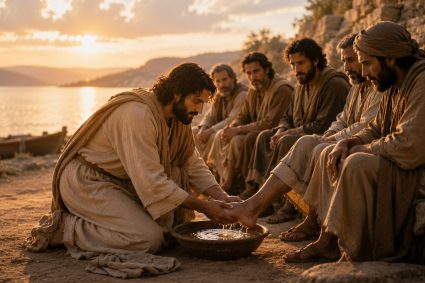
The Rulers of the Gentiles – When the Church Embraced the State Matthew 20:25–28 presents Jesus’ antidote to power-hunger: the greatest must become a servant. Yet as Israel once did, so the church later did under Constantine—seeking political approval, it began to wield power and lost its true character. This serves as a caution: we must not repeat the same error.
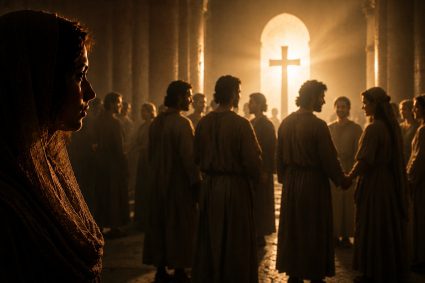
A Light to the Gentiles – The Call of the Last Generation Isaiah 42:6; 49:6; Revelation 18:1–4 reveal God’s longing for a people who bring light—not to judge, but to save. Revelation 18’s summons, “Come out of her, my people,” is not to shame but to free. We are called to live in such a way that others hear: “Come out!”
✨ Spiritual Principles
Rebellion often begins quietly—with pride, self-will, and self-reliance.
God always calls out—to holiness, to mission, to witness.
The greatest danger is not an external enemy but compromising with the world’s system.
God’s light is never elitist—it is intended for all nations.
🧭 Daily Application
Read God’s Word not just to “know more,” but to “live differently.”
Continually measure your thinking against Scripture—especially when cultural norms seem acceptable.
Ask yourself: Where have I chosen human security over divine leading?
Be a light—not through loudness, but through faithfulness, gentleness, and love.
✅ Conclusion
God has never stopped calling a people. From Abraham to the end-time church, He invites us not to conform to human order, but to His truth. Israel’s history is more than a warning—it’s a mirror. Yet amid all failure there is hope: if God showed patience with Israel, He will have patience with us—and use us when we yield to Him.
💬 Thought of the Day
“God’s light is never meant to be hidden—but to shine through our lives.”
✍️ Illustration – “The Other Light”
Munich, a November evening.
The subway car was packed. Amid raincoats, laptop bags, and tired faces sat Elias, 19, a first-year theology student. He’d just finished Bible study on Nimrod, Abraham, and Israel’s downfall—stories that felt ancient and distant. But tonight was different.
An elderly woman across from him stared blankly into space. Her coat was thin; her hands trembled. Elias hesitated, then asked, “Are you okay?” She looked up, surprised. “Not really. No one ever asks.”
That simple question opened a window. She spoke of her loneliness, her lost faith, and a life that had once been bright but now felt empty. Elias said little—just that he believed in a God who always calls, even when His people don’t listen.
When she got off, she said, “You’re different. Thank you. Maybe… I’ll pray tonight.”
Alone again, Elias thought of Revelation 18: “Come out of Babylon, My people.”
He realized: the call doesn’t start with a sermon. It starts with a question. With listening. With love.
One light for the nations. One heart that hears.
📖 “For behold, darkness shall cover the earth… but the LORD will arise upon you, and his glory will be seen over you.” (Isaiah 60:2)