

🌱 GROWING IN A RELATIONSHIP WITH GOD
🕊️ Lesson 7: Practical Prayer
📘 7.3 Jesus Teaches Us How to Pray
Prayer as an honest and living relationship with the Father
📖 1. Introduction – What Is Real Prayer?
In Jesus’ time, prayer had often become a public religious activity.
Many people used long and complicated expressions to appear spiritual and impressive.
Jesus clearly criticized this kind of praying.
👉 For Him, it was not about outward appearance, but about a genuine relationship with God.
📜 2. The Biblical Foundation – The Disciples’ Request
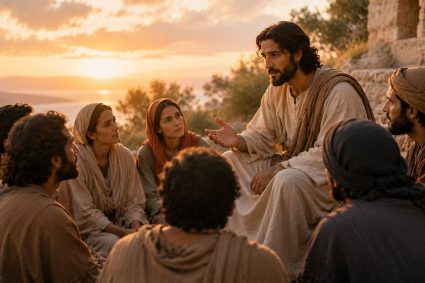
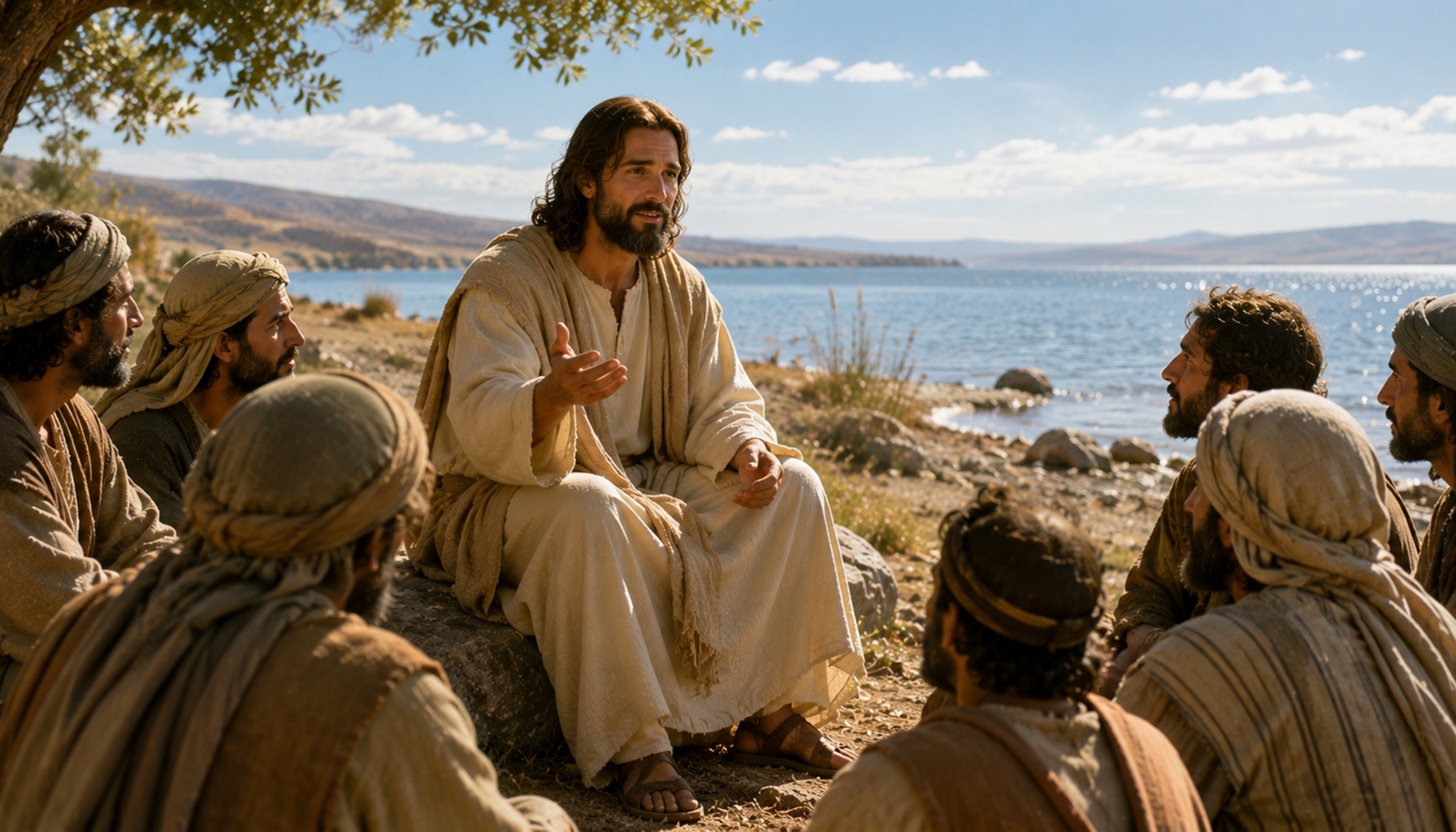
The disciples watched Jesus while He prayed.
They saw:
- His consistency
- His calmness
- His deep connection with the Father
Through this, they realized that their previous understanding of prayer was incomplete.
Therefore they asked:
👉 “Lord, teach us to pray” (Luke 11:1).
🌍 3. Connection to Today
Even today there is a danger that prayer can become superficial or mechanical.
Some people:
- only repeat familiar words
- pray out of habit
- focus more on form than on meaning
Jesus, however, shows:
👉 God is not looking for perfect religious language, but for an honest heart.
💡 4. Central Message of the Lesson
👉 Real prayer grows out of a personal relationship with God and is marked by honesty, trust, and surrender.
Prayer is not religious performance, but an encounter with the Father.
✝️ 5. Theological Focus
At the center of this lesson is Jesus’ understanding of prayer as an expression of a living relationship between human beings and God.
Jesus does not reject prayer itself, but the wrong motivation behind it. In Matthew 6 He criticizes prayers meant to be seen and admired by people. In doing so, He makes it clear:
👉 Spirituality must not become self-presentation.
Another important point is the simplicity of prayer. Jesus shows that God does not need complicated formulations. The Father already knows the needs of His children. Therefore, prayer is not about informing or convincing God, but about consciously seeking fellowship with Him.
The Lord’s Prayer also reveals a spiritual order. Prayer does not begin with personal needs, but with God’s name, God’s kingdom, and God’s will. Only afterward do personal requests follow.
This makes it clear:
👉 True prayer first directs a person toward God before turning to personal concerns.
The connection between forgiveness and prayer is also crucial. Jesus makes it clear that a relationship with God cannot be separated from relationships with others. Whoever wants to receive forgiveness should also be willing to forgive.
Another theological focus is dependence on God. Daily bread symbolizes everything a person needs—physically, emotionally, and spiritually.
👉 Theologically decisive:
Prayer means consciously placing oneself under God’s authority and living in a trusting relationship with Him.
📖 6. The Lord’s Prayer Explained
“Our Father in heaven” shows the personal closeness to God. At the same time, “in heaven” reminds us of His greatness and holiness.
“Hallowed be Your name” means approaching God’s character with reverence and honoring Him.
“Your kingdom come” directs the focus toward God’s future kingdom and His work today.
“Your will be done” is an expression of trust. A person places God’s wisdom above personal wishes.
“Give us this day our daily bread” shows daily dependence on God—not only materially, but spiritually as well.
“Forgive us our debts” reminds us that human beings need God’s grace.
“As we also forgive” connects received grace with the way we treat other people.
“Lead us not into temptation, but deliver us from evil” expresses awareness of spiritual dependence and the need for protection.
The conclusion (“For Yours is the kingdom…”) once again directs the focus to God’s glory and authority.
👉 In summary:
The Lord’s Prayer is not only a text to repeat, but a model for a balanced, honest, and God-centered relationship in prayer.
🔧 7. Everyday Application
This lesson becomes practical through concrete steps:
- speak honestly and simply with God
- do not see prayer as a duty
- consciously seek God’s will
- regularly forgive others
- combine prayer with praise, trust, and gratitude
❓ 8. Reflection Question
Is my prayer mainly habit and form—or a genuine encounter with God?
🌟 9. Final Thought
Jesus did not only teach words for praying.
He showed a lifestyle of closeness to the Father.
Because:
👉 Real prayer begins where a person stops trying to impress others and starts speaking honestly with God.