
📅 29 December 2025
📚 BELIEVE HIS PROPHETS
📖 Daily Bible Reading
👑 1 Samuel 21 – David and Jonathan in a Covenant of Loyalty
✨ When friendship is stronger than blood, power, and fear
🌐 Read online here
📍 Introduction
David is on the run. The once celebrated hero of Israel—loved by the people and hated by the king—is now a hunted man. In chapter 21 a new stage of his life begins—one in which uncertainty, loneliness, and fear walk beside him. And yet we see: God provides, God protects, God directs—even in the darkest moments.
⋯⋯⋯⋯⋯⋯⋯⋯⋯⋯◆⋯⋯⋯⋯⋯⋯⋯⋯⋯⋯
🧵 Commentary
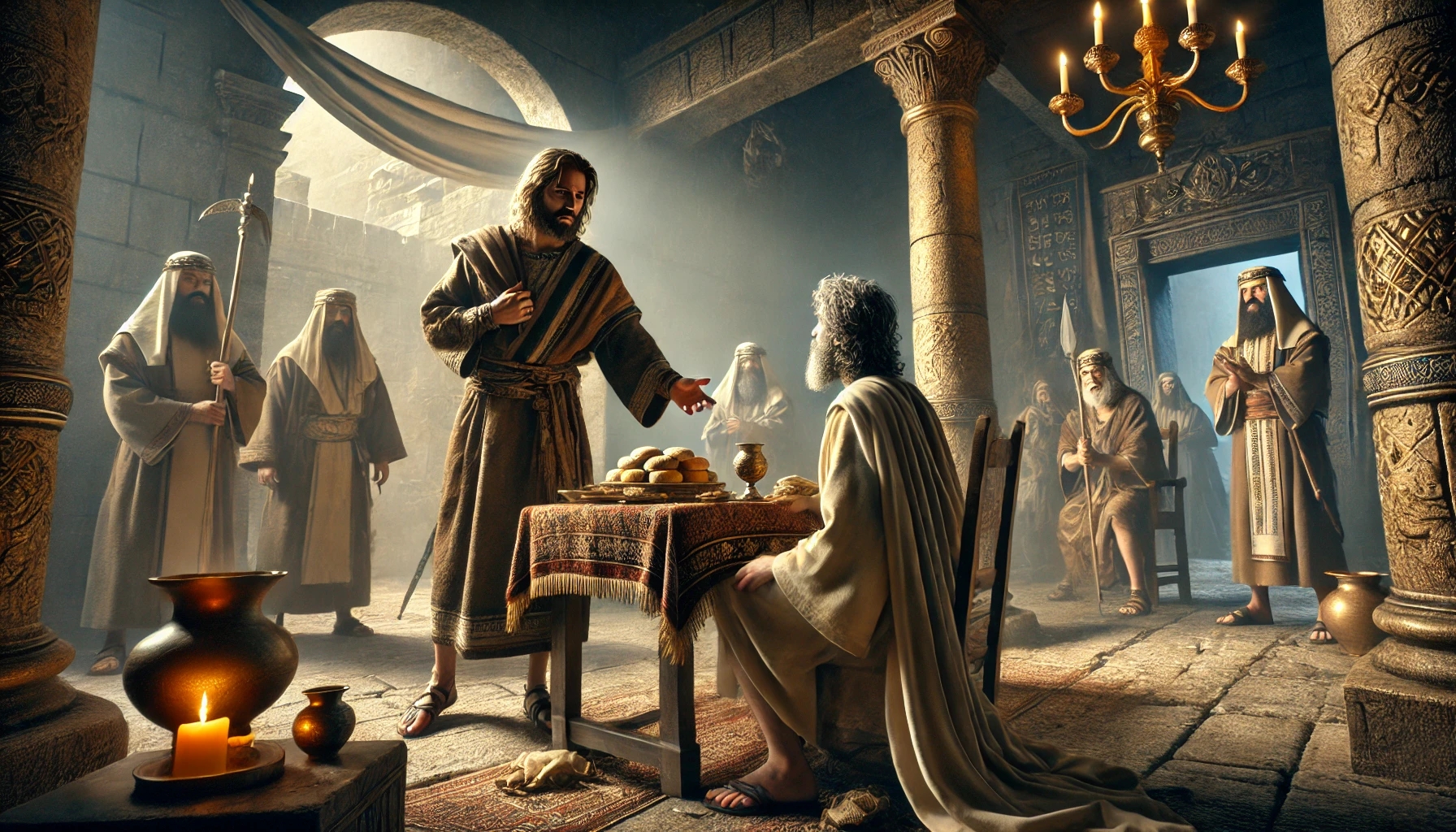
After the painful farewell to Jonathan, David is now traveling alone. He flees to Nob, where the sanctuary is. There he meets Ahimelech the priest—and the priest’s reaction is telling: he is startled. David, Israel’s famous warrior, comes alone? Without guards, without equipment? Something is not right.
But David lies. A lie of necessity—or a deliberate protection? He says the king has sent him on a secret mission. In reality, he is simply fleeing. And above all he needs one thing: bread.
But the priest has only the holy bread of the Presence, which is meant only for priests. Still, he gives it to David—because need is greater than regulation. It is a moment of mercy. Jesus Himself will later refer to this scene (Matthew 12:3–4) to show that human need is not subordinate to the law, but that the law is meant to serve people.
Not far away, another man watches the scene—Doeg the Edomite, a servant of Saul. This seemingly minor note will later (in chapter 22) have tragic consequences. David does not suspect it yet.
When David asks for weapons, he receives a very special sword: Goliath’s sword, the one he once defeated. In a moment of deepest weakness he is reminded of the greatest victory of his life. Perhaps it is God’s quiet way of giving him courage: “I was with you then—I am with you now, too.”
But the danger remains. David flees on—of all places, to Gath, Goliath’s hometown! Did he think they wouldn’t recognize him there? But soon it becomes clear: the people know him all too well. “Isn’t this the one they sing about: Saul has slain his thousands, and David his tens of thousands?” The old songs catch up with him.
In panic David resorts to a drastic measure: he disguises himself, plays the madman, lets saliva run down his beard, scratches on the gates. A humiliating, perhaps even desperate act—but it works. King Achish wants nothing to do with him. “Don’t I already have enough madmen?” he asks sarcastically.
David is spared—but not because he was brave, but because he made himself weak. Again God works in an unusual way. Again David stays alive.
⋯⋯⋯⋯⋯⋯⋯⋯⋯⋯◆⋯⋯⋯⋯⋯⋯⋯⋯⋯⋯
🧺 Summary
David flees to Ahimelech the priest and receives the holy bread of the Presence and Goliath’s sword. He is observed by Doeg. Then he flees on to Gath, where he is recognized as the famous warrior. Out of fear he disguises himself and pretends to be insane. King Achish does not see through the deception and leaves him unharmed.
⋯⋯⋯⋯⋯⋯⋯⋯⋯⋯◆⋯⋯⋯⋯⋯⋯⋯⋯⋯⋯
🔦 Message for Us Today
Even people after God’s own heart have moments of fear, weakness, and confusion. David was not always heroic. In this chapter we see him lying, scheming, humiliating himself—and yet God still provides for him.
This shows: God’s grace does not depend on our perfection. Even in failure, He stands by us. He provides—with bread, with an old sword, with an open way out in enemy territory.
God sometimes uses unusual means to save us. And He does not forget us, even when we no longer understand ourselves.
⋯⋯⋯⋯⋯⋯⋯⋯⋯⋯◆⋯⋯⋯⋯⋯⋯⋯⋯⋯⋯
📝 Reflection
When was the last time you felt weak, confused, or “not heroic”?
Do you believe God is with you even then—when you are no longer strong, but only honest?
Where, in your need, have you received “bread of the Presence” and “Goliath’s swords”—signs that God has not abandoned you?
══════════ ✶ ✶ ══════════
📆 28 December 2025 – 3 January 2026
📚 BELIEVE HIS PROPHETS
📖 Weekly Reading from the Spirit of Prophecy
📘 Ellen White | Patriarchs and Prophets
🔥 Chapter 53: The Older Judges
✨ Festivals of remembrance and hope—how God strengthened His people through times of worship
🌐 Read online here
🟠 Blog 2
⚠️ A people in a cycle
🧭 Apostasy – oppression – cry – deliverance
📍 Introduction
The book of Judges shows a tragic pattern: Israel turns away from God, falls into distress, cries for help—and yet is rescued again and again.
⋯⋯⋯⋯⋯⋯⋯⋯⋯⋯◆⋯⋯⋯⋯⋯⋯⋯⋯⋯⋯
🧵 Commentary
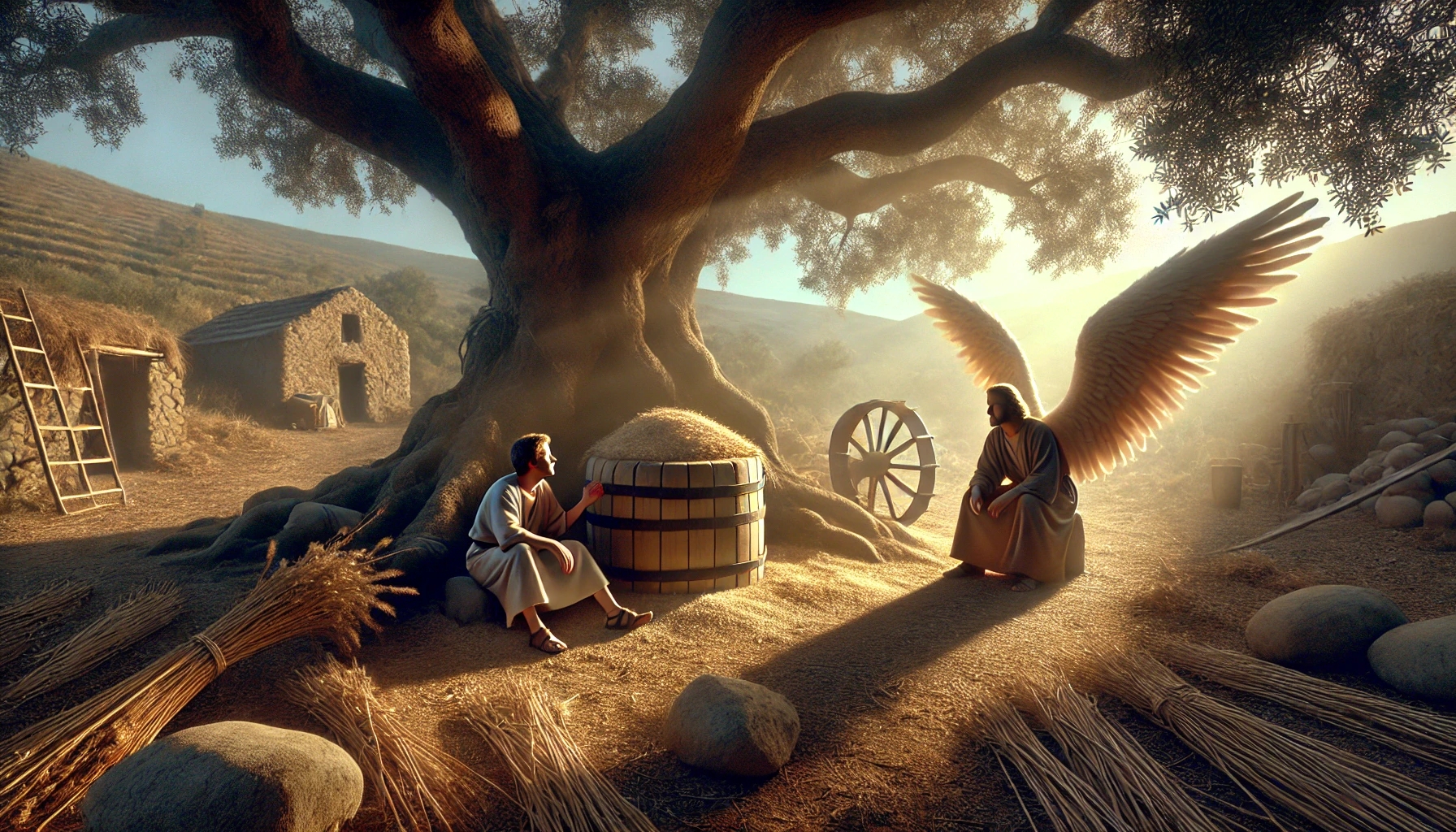
As long as the generation that had known Joshua was alive, faith still held firm. But soon children grew up who knew God’s deeds only by hearsay. The altars of Baal were still standing. Pagan customs seemed fascinating. Slowly, almost imperceptibly, loyalty faded.
Apostasy inevitably brought oppression. God withdrew His protecting hand—not out of cruelty, but out of love. Foreign nations rose up, oppressed Israel, plundered its fields, destroyed its harvests. Only in distress did the people remember the Lord.
And again and again the incredible happened: God listened. He sent judges—men and women He called to rescue His people. But as soon as the deliverer died, the cycle began anew. It was a story of God’s astonishing patience—and of the stubbornness of human unfaithfulness.
⋯⋯⋯⋯⋯⋯⋯⋯⋯⋯◆⋯⋯⋯⋯⋯⋯⋯⋯⋯⋯
🧺 Summary
Israel’s history is marked by a recurring pattern of spiritual failure—and divine mercy.
⋯⋯⋯⋯⋯⋯⋯⋯⋯⋯◆⋯⋯⋯⋯⋯⋯⋯⋯⋯⋯
🔦 Message for Us Today
God is faithful—but a faith that exists only in times of need remains shallow.
⋯⋯⋯⋯⋯⋯⋯⋯⋯⋯◆⋯⋯⋯⋯⋯⋯⋯⋯⋯⋯
📝 Reflection
Do you seek God only when you need help—or also when everything is going well?
⋯⋯⋯⋯⋯⋯⋯⋯⋯⋯◆⋯⋯⋯⋯⋯⋯⋯⋯⋯⋯
