

📅 April 6, 2026
📚 BELIEVE HIS PROPHETS
📖 Daily Bible Reading: 🌳 1 Chronicles 17
🏡 God’s Promise to David
✨ You will not build Me a house – I will build one for you
🌐 Read online here
📍 Introduction
In 1 Chronicles chapter 17, we encounter a profound moment between David and God. David wants to build a house for God, but God responds in a surprising way—with a promise that goes far beyond David’s thoughts.
⋯⋯⋯⋯⋯⋯⋯⋯⋯⋯◆⋯⋯⋯⋯⋯⋯⋯⋯⋯⋯
🧵 Commentary
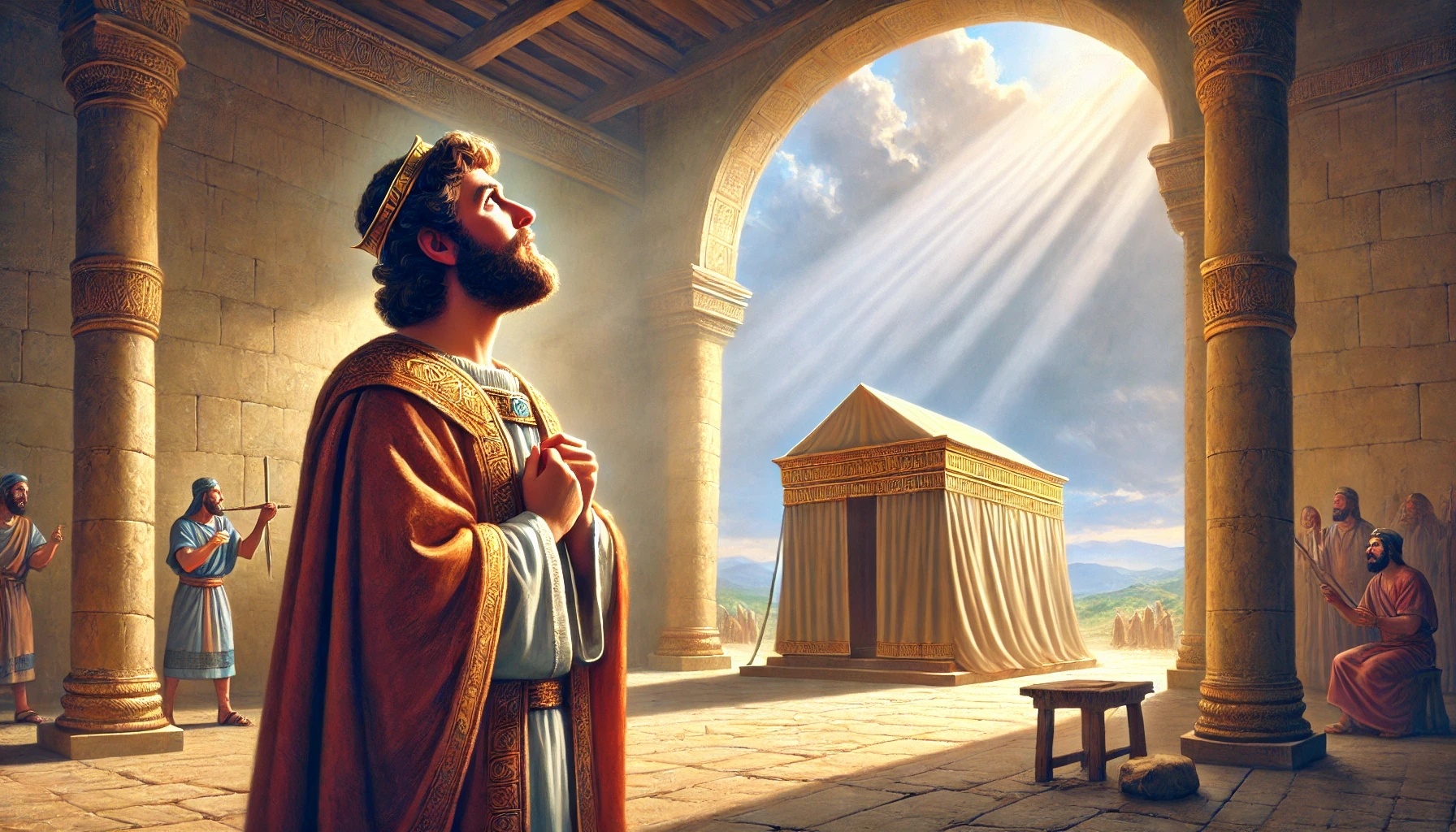
David is sitting in his house, surrounded by peace and stability. He looks at his life and realizes: he himself lives in a solid house, while the ark of the covenant is still in a tent. Within him grows the desire to give something back to God—a house worthy of His presence.
He speaks with the prophet Nathan, and at first everything seems clear: a good idea, a good plan.
But during the night, God Himself speaks.
The answer is unexpected. God reminds David that He has never asked for a house. He has always been on the move with His people—not bound to buildings, but present in the lives of people.
Then the perspective shifts. Instead of confirming David’s plan, God reveals His own: David will not build a house for God—God will build a house for David. Not a building, but a line, a future, an enduring kingdom.
It is a promise of permanence. A descendant of David will come whose reign will endure. Something greater becomes visible here than David ever imagined.
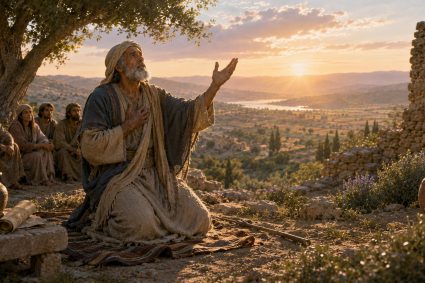
David does not respond with pride, but with humility. He sits before God, is amazed, and realizes: everything he is and has is grace. His words are filled with gratitude and reverence.
This moment is quiet, yet powerful. A human being recognizes that God’s thoughts are greater than his own.
⋯⋯⋯⋯⋯⋯⋯⋯⋯⋯◆⋯⋯⋯⋯⋯⋯⋯⋯⋯⋯
🧺 Summary
1 Chronicles 17 describes David’s desire to build a house for God and God’s response: the promise of an eternal kingdom through David’s line.
⋯⋯⋯⋯⋯⋯⋯⋯⋯⋯◆⋯⋯⋯⋯⋯⋯⋯⋯⋯⋯
🔦 Message for Us Today
Sometimes our good plans are not God’s plans—because He is preparing something greater. God thinks further, deeper, and farther into the future than we do.
⋯⋯⋯⋯⋯⋯⋯⋯⋯⋯◆⋯⋯⋯⋯⋯⋯⋯⋯⋯⋯
📝 Reflection
Are you willing to let go of your own plans when God wants to show you something greater?
════════ ✶ ✶ ════════
📆 April 5 – 11, 2026
📚 BELIEVE HIS PROPHETS
📖 Weekly Reading of the Spirit of Prophecy
📘 Ellen White | Patriarchs and Prophets
🔥 Ch. 72: Absalom’s Rebellion
✨ When sin creates consequences—and family becomes a battlefield
🌐 Read online here
📘 Blog 2: 🏃 The Estranged Son
When distance does not bring healing
📍 Introduction
Absalom flees—and yet, with his absence, nothing truly gets better.
⋯⋯⋯⋯⋯⋯⋯⋯⋯⋯◆⋯⋯⋯⋯⋯⋯⋯⋯⋯⋯
🧵 Commentary
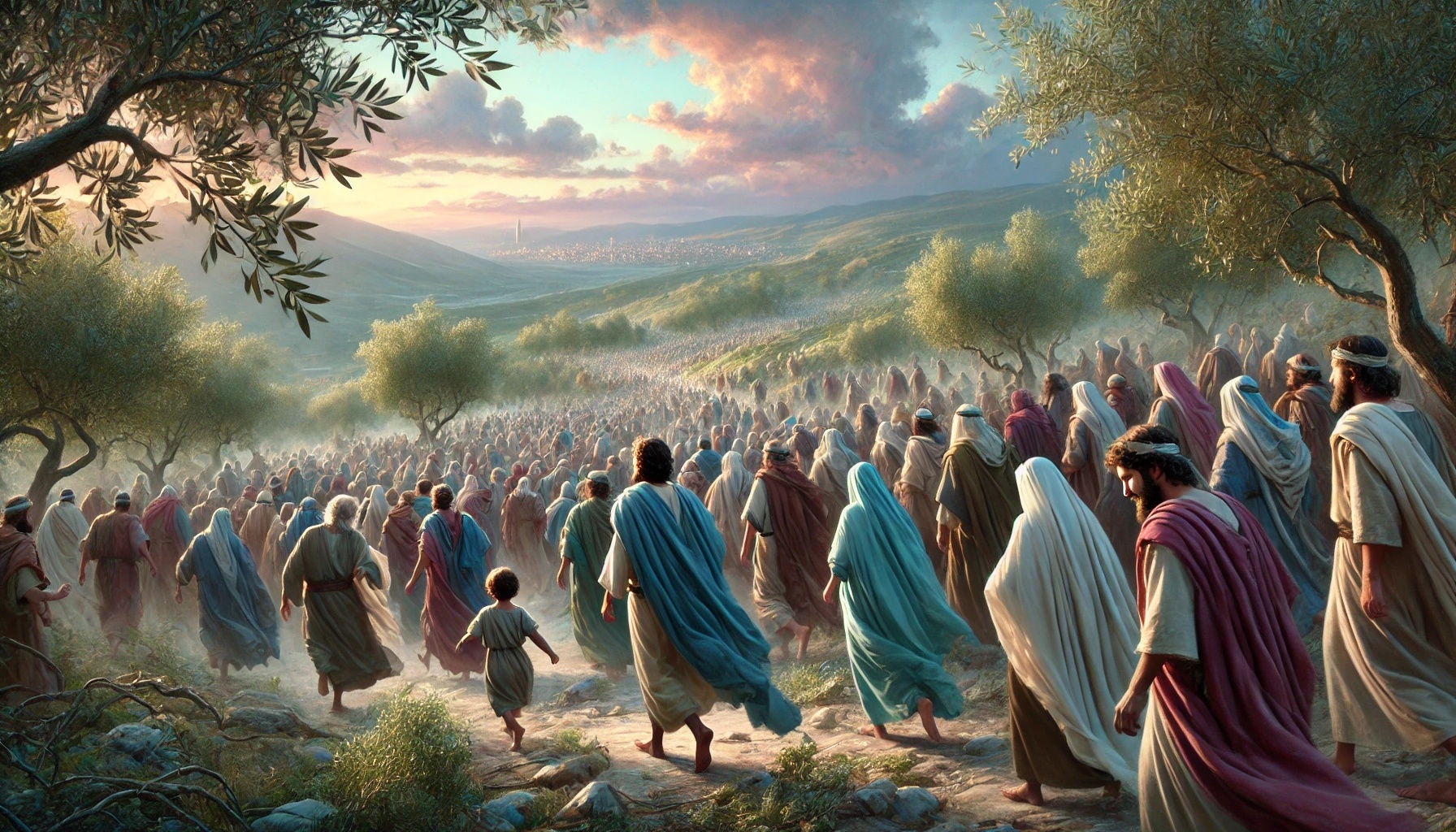
After the murder of Amnon, Absalom flees to Talmai in Geshur. David mourns. He misses his son, yet keeps his distance. The pain is there, but clarity is lacking. He does not want to simply bring Absalom back—perhaps out of duty, perhaps out of fear, or maybe because he senses how much his own household has fallen out of balance.
So things remain unresolved. Years pass. Joab recognizes that this tension cannot continue forever. With a clever setup through the woman from Tekoa, he leads David to judge his own situation. The king is moved—and eventually gives in.
Absalom is allowed to return. But not to the court. Not into his father’s presence. He lives two more years in Jerusalem and yet remains excluded.
This is not reconciliation. It is an in-between state.
It is precisely in this space that something dangerous grows in Absalom. He is handsome, gifted, charismatic, and ambitious. The people look to him. He senses his influence. And the longer he is neither truly held accountable nor truly restored, the more another goal takes shape within him.
Eventually, he forces a meeting with David. Outwardly, reconciliation takes place. But inwardly, Absalom is already on a different path.
Not every peace that appears outwardly is true peace.
⋯⋯⋯⋯⋯⋯⋯⋯⋯⋯◆⋯⋯⋯⋯⋯⋯⋯⋯⋯⋯
🧺 Summary
Absalom’s return to Jerusalem does not bring true reconciliation. The unresolved distance creates space for ambition and inner hardening.
⋯⋯⋯⋯⋯⋯⋯⋯⋯⋯◆⋯⋯⋯⋯⋯⋯⋯⋯⋯⋯
🔦 Message for Us Today
External closeness does not replace inner healing. What is not dealt with honestly remains dangerous.
⋯⋯⋯⋯⋯⋯⋯⋯⋯⋯◆⋯⋯⋯⋯⋯⋯⋯⋯⋯⋯
📝 Reflection
Where do I call something reconciliation that is actually unresolved distance?