Hardly any passage is debated more often than Colossians 2:16–17:
“Therefore let no one judge you in food or in drink, or regarding a festival or a new moon or sabbaths. These are a shadow of things to come, but the body belongs to Christ.”
A crucial question arises here:
Is Paul speaking about the Sabbath of the Ten Commandments—
or about the ceremonial sabbaths of the Jewish festival calendar?
To answer this question, we must pay close attention to the context.
Paul contrasts:
And he makes it clear:
The substance is Christ.
………………..✉️………………..
📖 Bible Study
Colossians 2:16 – “Therefore let no one judge you”
The word “therefore” (Greek: oun) shows:
Paul draws a conclusion from what he has just said.
In verses 11–15:
-
outward circumcision was put into perspective
-
the ceremonial law was nailed to the cross
-
forgiveness of sins was emphasized
Therefore:
Do not let anyone judge you.
The problem was not moral behavior,
but demands for Jewish ritual regulations.
────────────────────
“Food and drink”
This is not about diet in general, but about:
-
grain offerings
-
drink offerings
-
temple regulations
These belonged to the ceremonial system (Num. 28–29).
────────────────────
“Festival, new moon, or sabbath”
This three-part formula is decisive.
It appears in the Old Testament as a fixed sequence:
-
yearly festivals
-
monthly new moons
-
ceremonial sabbaths
Hosea 2:13 uses exactly this sequence.
This formula also appears in 1 Chronicles 23:31 and 2 Chronicles 2:4.
In Leviticus 23, alongside the weekly Sabbath, so-called “sabbaths” are also mentioned that were connected to the feasts (e.g., the Day of Atonement).
These were:
────────────────────
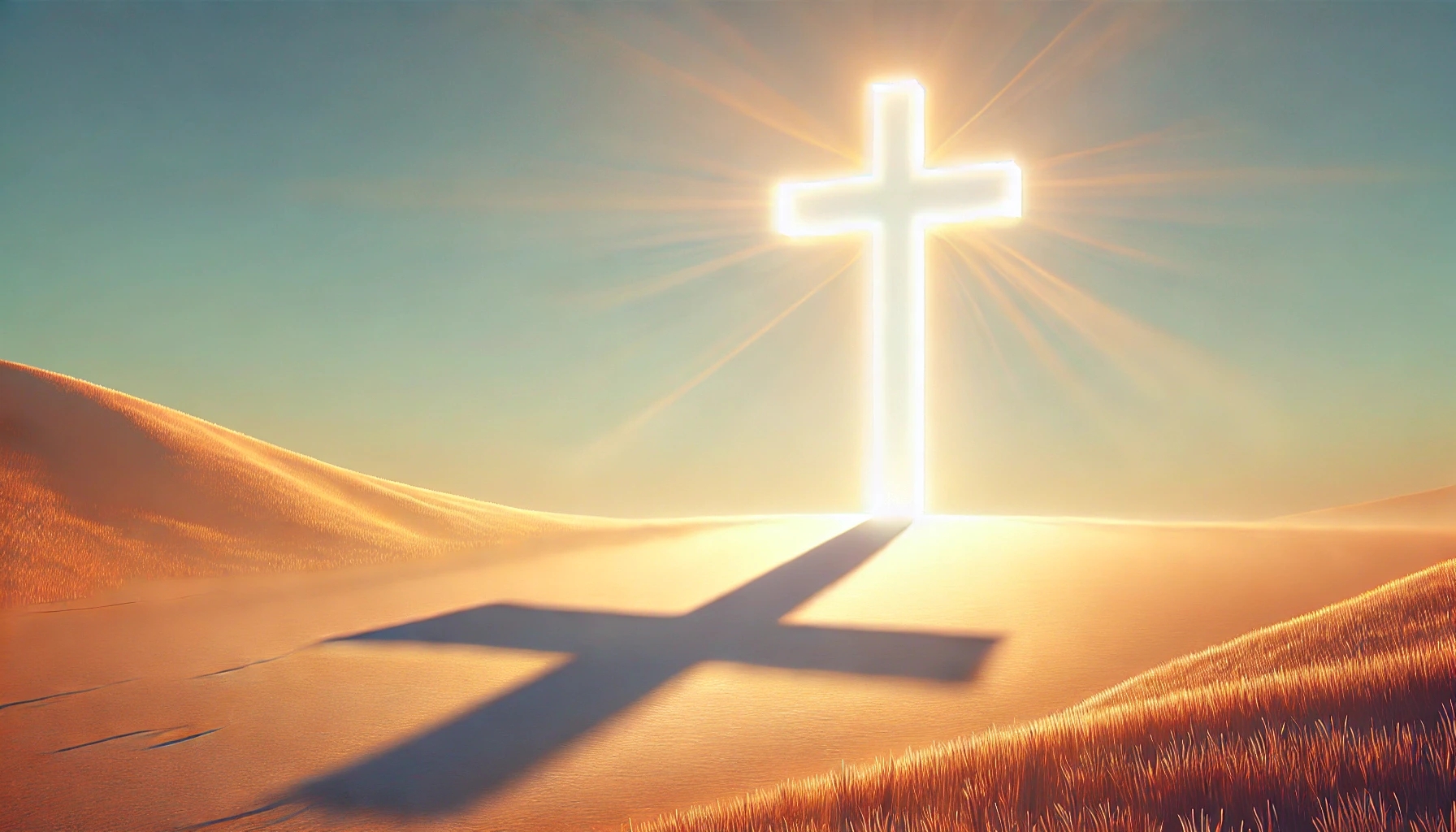
Verse 17 – “A shadow of things to come”
The Greek word for shadow (skia) means:
-
preview image
-
prophetic pointer
-
symbolic representation
A shadow exists only
because a real substance exists.
The substance is:
Christ.
Examples:
-
Passover → Christ as our Passover Lamb (1 Cor. 5:7)
-
Firstfruits → Christ’s resurrection (1 Cor. 15:23)
-
Day of Atonement → Christ’s heavenly ministry
The seventh-day Sabbath, by contrast:
-
was instituted before the Fall (Gen. 2:1–3)
-
is part of the creation order
-
belongs to the moral law
-
is not tied to sacrifices
It was not a shadow of redemption,
but a memorial of creation.
────────────────────
Verse 18 – “Let no one disqualify you”
Paul warns against:
-
false humility
-
angel worship
-
speculative visions
In Qumran and other Jewish groups, angel worship played a role.
The problem was:
mystical add-ons to the gospel.
────────────────────
Verse 19 – “Not holding fast to the Head”
The real problem was not the ritual,
but separation from Christ.
Whoever clings to:
-
ceremonies
-
mystical speculation
-
human regulations
loses focus on the Head—Christ.
────────────────────
Historical context
The church in Colossae consisted mostly of Gentile Christians (Col. 2:13).
Some Jewish Christians apparently pressed for:
Paul makes it clear:
These things were shadows.
Christ is the reality.
………………..✉️………………..
🗣️ Answers to the Questions
❓ Question 1 – Which Jewish-Christian practices does Paul highlight?
Detailed Answer
Paul names several concrete elements:
1. Food and drink offerings
Temple-related sacrificial actions.
2. Annual festivals
Passover, Pentecost, Feast of Tabernacles, etc.
3. New moons
Monthly religious celebrations.
4. Ceremonial sabbaths
Special rest days within the festival calendar.
5. Angel worship
Mystical forms of devotion.
6. False humility
Religious self-humiliation as a performance.
These practices were:
Paul is not fighting against:
He is fighting:
the absolutizing of shadows.
❓ Question 2 – How can we apply Paul’s counsel not to judge others?
Detailed Answer
Paul says:
“Let no one judge you.”
That has two directions:
1. Don’t let yourself be judged
If you live in Christ out of conviction,
no one should condemn you based on outward forms.
Our identity is not based on rituals,
but on Christ.
2. Don’t judge others either
We also must not judge others too quickly.
Practical application:
-
Do not judge matters of conscience.
-
Distinguish between the core and secondary issues.
-
Make sure Christ remains at the center.
-
Correct in love, not with superiority.
This does not mean indifference toward truth.
It means:
truth without harshness.
………………..✉️………………..
🛠️ Application in Daily Life
Questions for self-examination:
-
Is Christ truly my center?
-
Do I trust forms more than relationship?
-
Do I judge others by outward standards?
-
Am I willing to respect freedom of conscience?
Practically:
-
Seek unity in essentials.
-
Show patience in differences.
-
Hold firmly to biblical truth.
-
Remain humble.
………………..✉️………………..
✅ Conclusion
Shadows are important—
but they are not the reality.
The reality is Christ.
Whoever clings to the shadow
misses the substance.
Whoever holds on to Christ
has everything.
………………..✉️………………..
💭 Thought of the Day
Whoever has the substance does not need the shadow—
but whoever has only the shadow does not have Christ.
………………..✉️………………..
✍️ Illustration – The Shadow in the Museum
An encounter with reality
Chapter 1 – The Exhibition
Vienna, 2027.
Miriam visited an exhibition about ancient Jewish rituals.
She was fascinated:
-
priestly garments
-
depictions of sacrifices
-
the festival calendar
Everything seemed deep and dignified.
────────────────────
Chapter 2 – The Discussion
One friend said:
“All of that was abolished.”
Another:
“No, everything still applies.”
Miriam was confused.
────────────────────
Chapter 3 – The Shadow
In front of an exhibit stood a sculpture.
A light cast a long shadow on the wall.
The shadow looked impressive.
Almost more alive than the figure itself.
But it was only a projection.
────────────────────
Chapter 4 – The Insight
She read Colossians 2:17:
“but the body belongs to Christ.”
Suddenly she understood.
The ceremonial system was like that shadow.
Impressive.
Meaningful.
But not the reality.
────────────────────
Chapter 5 – The Substance
She knelt in the museum chapel.
Not before a display case.
Not before a ritual.
But in prayer to Christ.
────────────────────
Chapter 6 – The Freedom
Later she talked again with her friends.
She said calmly:
“I don’t want to worship the shadow. I want to know the Person.”
………………..✉️………………..
📌 Final thoughts on the story
In the 21st century, many search for spirituality,
for depth,
for tradition.
But nothing replaces a living relationship with Christ.
Rituals can remind.
Symbols can teach.
But only Christ saves.
Hold on to the Head—
not to the shadow.