

Series: CHRIST IN PHILIPPIANS AND COLOSSIANS with Pastor Mark Finley
🔥 Lesson 1: Persecuted but Not Forsaken
⛓️✝️ Hope in Chains: Christ at the Center
Introduction
Paul wrote his letters to the Philippians and Colossians while imprisoned, yet his words are filled with joy, hope, and deep faith in Christ. These “Prison Epistles” show that external hardship could not silence the gospel or Paul’s commitment to it. Instead of focusing on his suffering, Paul used his situation to strengthen the churches and uplift believers. He reminds us that even in the darkest moments, we are not forsaken—Christ remains present and powerful. This lesson invites us to explore how Paul’s trials became a testimony and how we, too, can reflect Christ amid our own challenges. His example calls us to faithful endurance and Spirit-led mission, no matter the cost.
Content:
👨⚖️ 1.1 Paul, the Prisoner of Jesus Christ
Faith Behind Bars: Paul’s Witness in Chains
Paul’s imprisonment did not silence his ministry—it amplified it. Rather than seeing himself as a victim of Rome, Paul called himself a “prisoner of Christ Jesus,” showing that he viewed his suffering as part of God’s plan. His chains became a platform for witness, even reaching Caesar’s household. Through Paul, we learn that our circumstances do not define our mission—Christ does. Making the best of difficult situations requires faith, trust, and a heavenly perspective, all of which Paul demonstrated from prison. It’s not easy, especially when we feel restricted or discouraged, but Christ’s presence empowers us to remain faithful in every trial.
⛓️ 1.2 Paul in Chains
Enduring Chains, Reflecting Christ
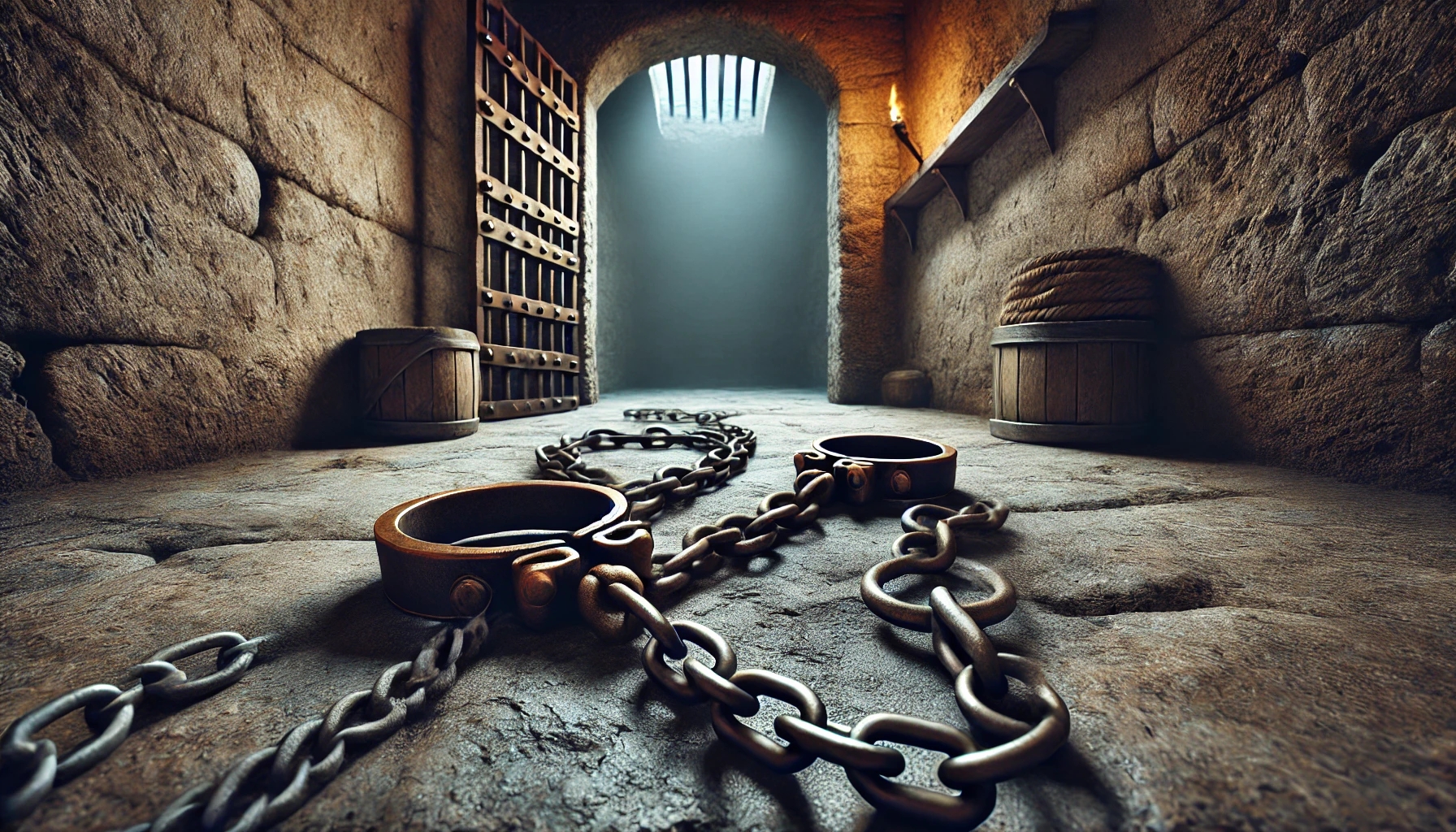
Paul’s many imprisonments, beginning in Philippi and culminating in Rome, reveal the cost of his unwavering commitment to Christ. Despite harsh treatment and being chained to Roman guards, he continued to minister boldly, viewing suffering as a platform for witness. In 2 Corinthians 4:7–12, Paul points to the power of God working through fragile human vessels—his focus was not on his own hardship, but on revealing Christ through it. His resilience came from spiritual resources like truth, righteousness, and the power of the Holy Spirit. Instead of bitterness, Paul chose surrender and service, proving that chains can never bind the gospel. We, too, are called to commend ourselves as God’s ministers, by faithfully representing Christ in every circumstance, even when it is difficult.
🏛️ 1.3 Paul in Philippi
A Strategic City, a Suffering Servant
Paul’s arrival in Philippi was not by accident but by divine direction through the Holy Spirit. As a leading Roman colony, Philippi offered strategic influence for the gospel’s expansion into Europe. Though Paul faced persecution there, including imprisonment, these trials opened doors to powerful conversions—like Lydia and the Philippian jailer. Acts 9:16 reminds us that suffering was part of Paul’s calling, and it often positioned him exactly where God needed him most. Our own hardships may also carry divine purpose, allowing the light of Christ to shine in dark places. Like Paul, we are called to trust that God is at work even when the path leads through adversity.
🌍 1.4 Paul and Colossae
The Gospel Beyond Paul’s Footsteps
Though Paul never personally visited Colossae, his influence still reached the city through faithful coworkers like Epaphras. This shows the strength of Paul’s evangelistic strategy—training others to carry the message beyond where he could go himself. In a city steeped in paganism and cultural pressures, the young Christian community in Colossae faced serious challenges to remain faithful. Paul’s letter to Philemon, also a Colossian believer, reflects how the gospel transforms social relationships—appealing for Onesimus to be received not as a slave, but as a brother. While Paul did not directly confront the Roman institution of slavery, his words sowed seeds of equality and dignity in Christ. It reminds us today that true Christian influence often works by changing hearts first, then society.
🕊️ 1.5 The Churches of Philippi and Colossae
Saints, Structure, and Strategic Mission
Paul greets the believers in Philippi and Colossae as “saints,” emphasizing their identity as God’s set-apart people, not based on personal merit but through faith in Christ. His mention of overseers, deacons, and faithful brothers highlights the early development of church leadership and organization. Paul understood that effective mission work required not only evangelism but also strong local leadership for growth and stability. By training leaders like Timothy and Epaphras, Paul ensured that the gospel would be faithfully taught and lived out in his absence. These churches reflected both spiritual identity and organizational order—two essential elements for a thriving faith community. Paul’s example continues to guide the church today in balancing mission and structure under Christ’s headship.
📖 1.6 Summary
Christ Above All: Faithful Amid Trials
Lesson 1 introduces Paul’s letters to the Philippians and Colossians, written while he was imprisoned for his faith. Despite his chains, Paul remained joyful, focused, and deeply committed to Christ and the mission. His strategic approach to evangelism—training leaders like Timothy and Epaphras—helped spread the gospel far beyond where he could personally go. Both churches faced cultural and spiritual challenges, yet Paul affirmed their identity as “saints” and emphasized the importance of faithful leadership. His words to Philemon and others show how the gospel transforms relationships, even within unjust social systems. Above all, Paul’s example teaches us how to endure suffering with courage, trusting in God’s greater purpose.