📅 22 January 2026
📚 BELIEVE HIS PROPHETS
📖 Daily Bible Reading
👑 2 Samuel 14 – Reconciliation, but without a true heart
✨ Absalom’s return, clever words, and the danger of unresolved guilt
🌐 Read online here
📍 Introduction
After the dramatic story of Tamar, Amnon, and Absalom’s revenge in chapter 13, tension fills the royal household. Absalom lives in exile. David remains silent. Joab realizes: this relationship must be healed. But what looks like reconciliation turns out to be superficial—and it carries new danger. This chapter shows how important true forgiveness and honest dealing with guilt really are.
⋯⋯⋯⋯⋯⋯⋯⋯⋯⋯◆⋯⋯⋯⋯⋯⋯⋯⋯⋯⋯
🧵 Commentary
Joab—the commander of David’s army—sees that the king’s heart still longs for Absalom. Even after the murder of Amnon, David’s fatherly love has not died. Yet David does nothing. It is quiet grief, but also deep inner conflict. So Joab takes action.
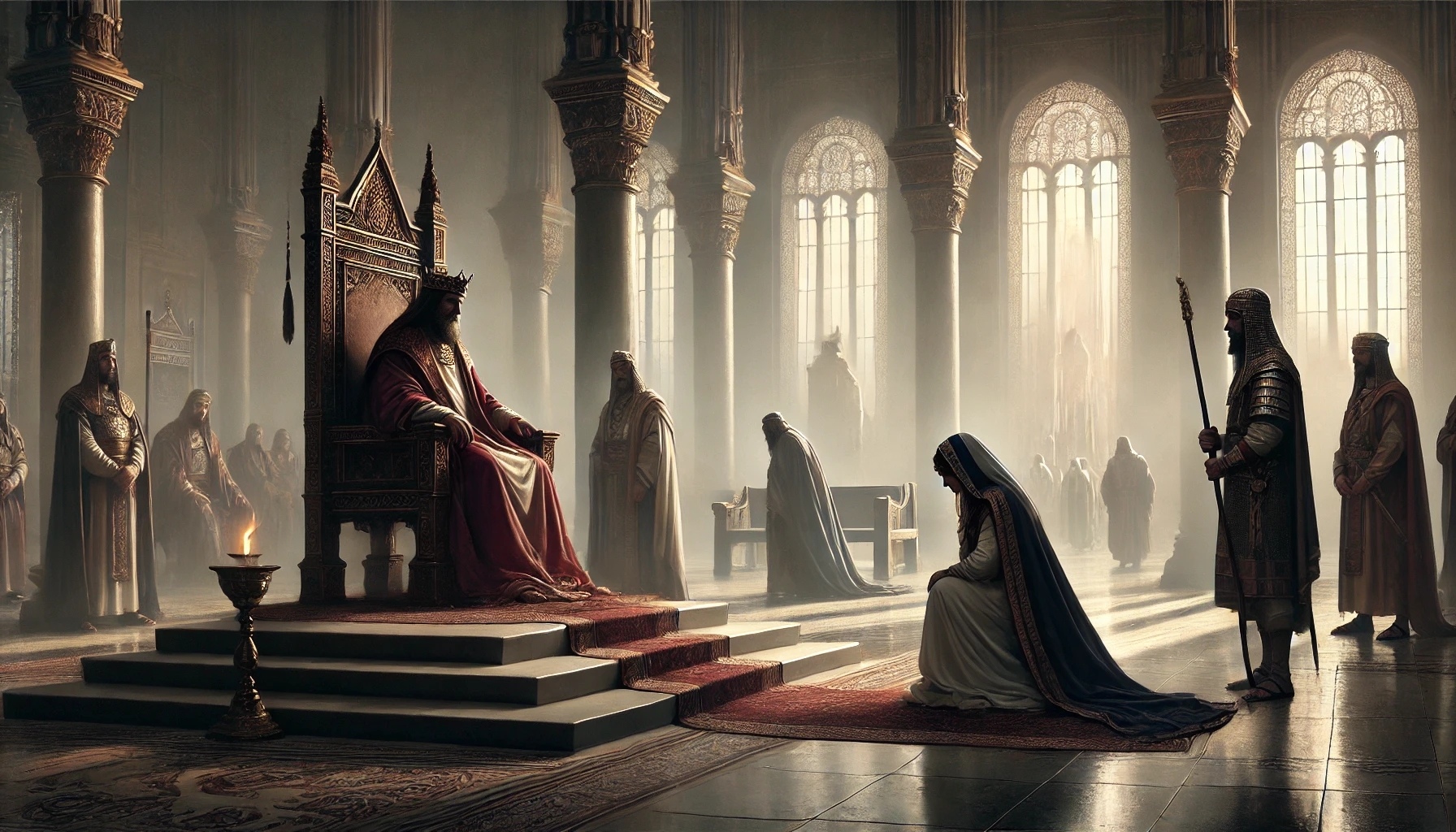
He sends a wise woman from Tekoa with a made-up story. She pretends to be a grieving widow whose last son is about to be executed by relatives because he killed his brother. She appeals to the king’s compassion: if this son dies, her family line will be wiped out. David promises her protection.
Then she speaks a brave sentence:
“Why don’t you act the same way toward your own son?”
She reveals the parallel to Absalom and gently calls the king to act. She reminds him of God’s mercy:
“God does not take away life, but plans ways so that the banished one will not remain cast out.”
David sees through the story and realizes Joab is behind it. Still, he agrees: Absalom may return. Joab is thankful and brings him back to Jerusalem—but David keeps his distance. Absalom is not allowed to see the king’s face.
For two years Absalom lives in Jerusalem without speaking to his father. Outwardly the conflict seems settled, but inwardly it is still open. Absalom wants clarity, but Joab ignores his messages—until Absalom burns Joab’s barley field to force a meeting.
Absalom says:
“Why did I even come back? If I am guilty, kill me—but talk to me!”
These words reveal his frustration. Finally Joab arranges a meeting, and David lets Absalom come. Absalom bows down. The king kisses him—a sign of outward reconciliation.
But the distance of those years has left deep marks. It is a political gesture, not a healed heart. Soon it becomes clear: Absalom’s bitterness is not gone.
⋯⋯⋯⋯⋯⋯⋯⋯⋯⋯◆⋯⋯⋯⋯⋯⋯⋯⋯⋯⋯
🧺 Summary
Joab arranges Absalom’s return through a wise woman from Tekoa. David allows him back but avoids personal contact. Only after two years do they meet in an outward reconciliation—but the wounds remain beneath the surface.
⋯⋯⋯⋯⋯⋯⋯⋯⋯⋯◆⋯⋯⋯⋯⋯⋯⋯⋯⋯⋯
🔦 Message for Us Today
Forgiveness must not be a performance. A hug without a heart does not heal a relationship. God shows us here that real reconciliation is more than coming back—it needs repentance, openness, truth, and love. Half-heartedness invites new conflict.
⋯⋯⋯⋯⋯⋯⋯⋯⋯⋯◆⋯⋯⋯⋯⋯⋯⋯⋯⋯⋯
📝 Reflection
• Is there a “reconciliation” in my life that happened only on the surface?
• Have I truly faced guilt—or just pushed it aside?
• Am I willing to take the first step to heal relationships sincerely?
══════════ ✶ ✶ ══════════
📆 January 18 – 24, 2026
📚 BELIEVE HIS PROPHETS
📖 Weekly Reading from the Spirit of Prophecy
📘 Ellen G. White | Patriarchs and Prophets
🔥 Chapter 58 : The Schools of the Prophets
✨ Divine education for heart, mind, and character—training with an eternal purpose
🌐 Read online here
📘 Blog 5 – The Bible as a textbook – education from God’s perspective
God’s Word: the center of all true education
📍 Introduction
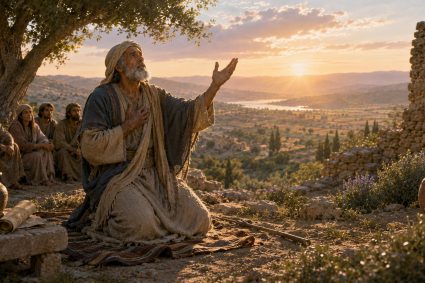
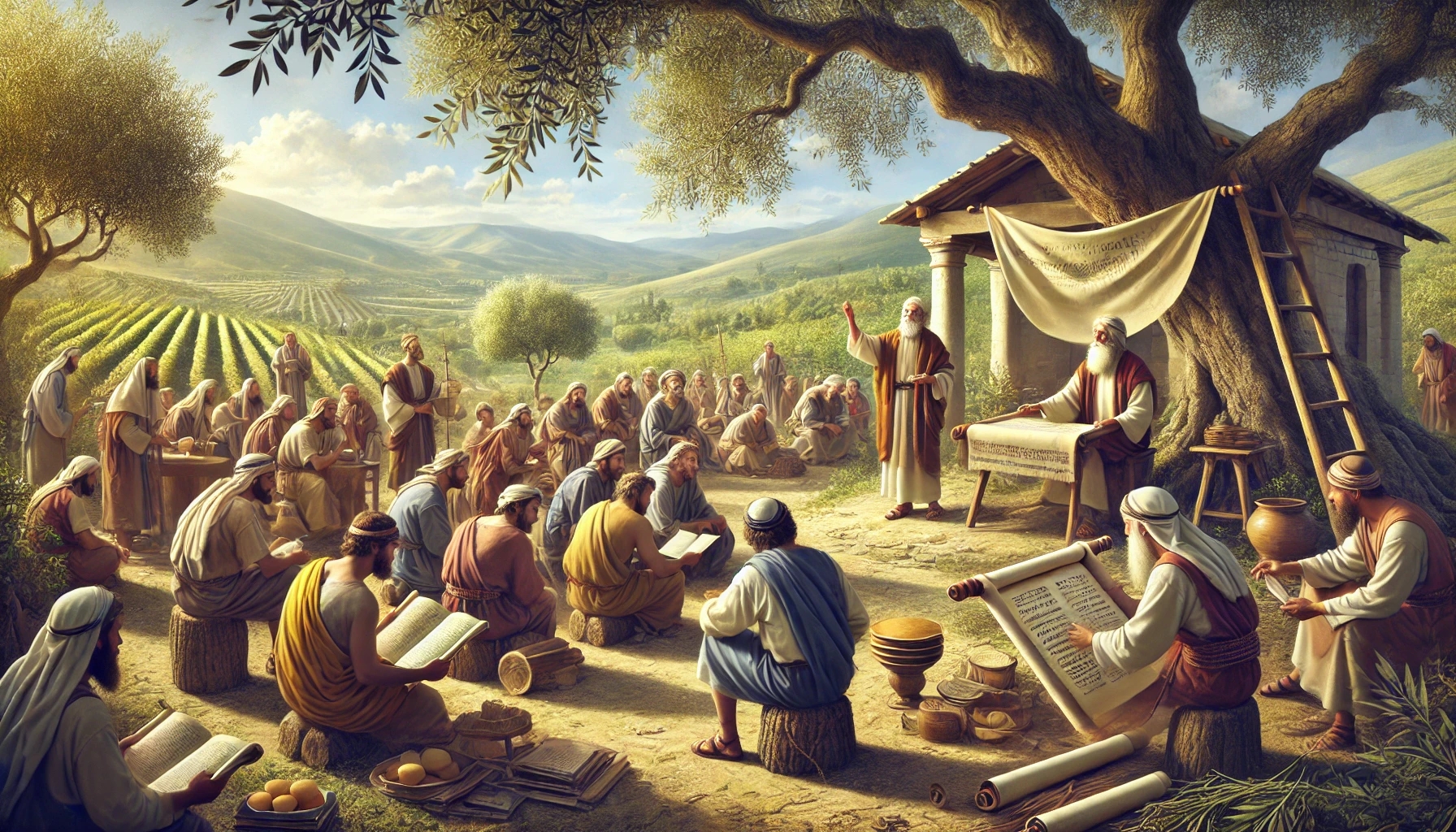
In the schools of the prophets, the Word of God stood at the center—it shaped thinking, judgment, and life.
⋯⋯⋯⋯⋯⋯⋯⋯⋯⋯◆⋯⋯⋯⋯⋯⋯⋯⋯⋯⋯
🧵 Commentary
The Bible was not studied as just another subject, but as the foundation. Its stories, laws, images, and truths were taught to shape character. Scripture connected past, present, and future and opened the eyes to God’s work in the world and in the heart. The great conflicts, the prophets, and the promises of the Messiah all pointed to understanding God’s plan of redemption.
⋯⋯⋯⋯⋯⋯⋯⋯⋯⋯◆⋯⋯⋯⋯⋯⋯⋯⋯⋯⋯
🧺 Summary
The Bible was the main book in the schools of the prophets—full of light, truth, and wisdom
⋯⋯⋯⋯⋯⋯⋯⋯⋯⋯◆⋯⋯⋯⋯⋯⋯⋯⋯⋯⋯
🔦 Message for Us Today
God’s Word is not just a religious extra—it is the foundation for true thinking, living, and being.
⋯⋯⋯⋯⋯⋯⋯⋯⋯⋯◆⋯⋯⋯⋯⋯⋯⋯⋯⋯⋯
📝 Reflection
How much space does God’s Word have in my thinking— is it the center or just a footnote?