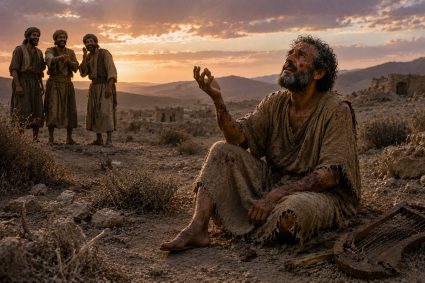
Chapter 13 is one of the most tragic chapters in the Bible. It shows a shocking story of abuse, silence, revenge, and family breakdown. What begins with sinful desire ends in murder and exile. This chapter is a warning: when sin is allowed room in the heart and justice is withheld, suffering does not decrease—it grows.
⋯⋯⋯⋯⋯⋯⋯⋯⋯⋯◆⋯⋯⋯⋯⋯⋯⋯⋯⋯⋯
🧵 Commentary
David has many sons—among them Amnon, the firstborn, and Absalom, another son. Absalom has a sister: Tamar. And Amnon “falls in love” with her. But what is called love is really obsession, lust—a twisted desire.
Amnon visibly suffers from his inner conflict. Then Jonadab appears—a clever but corrupt “friend.” He gives Amnon a plan: pretend to be sick, ask for Tamar’s help—and take advantage of the situation. The advice is cold, calculated, and destructive.
David suspects nothing and sends Tamar to Amnon. In apparent kindness she comes to her brother, cooks for him, and helps him. But Amnon isolates her—and then the unthinkable happens: he overpowers her and rapes her.
Tamar begs him, names the injustice, even offers another way. But Amnon does not listen. And after he has used her, his “love” turns into bitter hatred. He throws her out—worse than what he had already done to her.
Tamar tears her robe and puts ashes on her head—a sign of deep shame and destruction. She withdraws into the house of her brother Absalom—lonely.
Absalom knows what happened. But instead of acting, he says, “Be quiet.” And David? He is “very angry”—but he does nothing. No judgment. No protection. No comfort. Only silence.
Two years pass. Time does not heal. Anger grows. Absalom plans revenge. At a sheep-shearing feast, he lures Amnon into a trap and has him killed. Then he flees—for three years. The king is torn—full of grief, yet paralyzed.
So the chapter ends: a daughter in shame, one son murdered, another in exile, a father in pain—and a family where sin has left deep wounds.
⋯⋯⋯⋯⋯⋯⋯⋯⋯⋯◆⋯⋯⋯⋯⋯⋯⋯⋯⋯⋯
🧺 Summary
Amnon rapes his half-sister Tamar. David remains silent. Two years later Absalom takes revenge by killing Amnon and flees. David’s family is torn apart by guilt, silence, and the lack of justice.
⋯⋯⋯⋯⋯⋯⋯⋯⋯⋯◆⋯⋯⋯⋯⋯⋯⋯⋯⋯⋯
🔦 Message for Us Today
Hidden sin destroys. Silence does not protect—it feeds the darkness. When justice is not practiced, destructive revenge often follows. This chapter is a warning: true love respects, protects, and listens to a “No.” And real responsibility acts—even when it hurts.
⋯⋯⋯⋯⋯⋯⋯⋯⋯⋯◆⋯⋯⋯⋯⋯⋯⋯⋯⋯⋯
📝 Reflection
• Where in my life do I suppress pain or injustice instead of addressing it?
• Am I sometimes like David—angry but inactive?
• Where might I need to speak for someone who has been silenced?
• Do I believe that God can heal even deep brokenness—if I let Him in?
══════════ ✶ ✶ ══════════
📆 January 18 -24, 2026
📚 BELIEVE HIS PROPHETS
📖 Weekly Reading from the Spirit of Prophecy
📘 Ellen G. White | Patriarchs and Prophets
🔥 Chapter 58 : The Schools of the Prophets
✨ Divine education for heart, mind, and character—training with an eternal purpose
🌐 Read online here
📘 Blog 4 – Work and learning – the path to character formation
Divine education connects head, heart, and hands
📍 Introduction
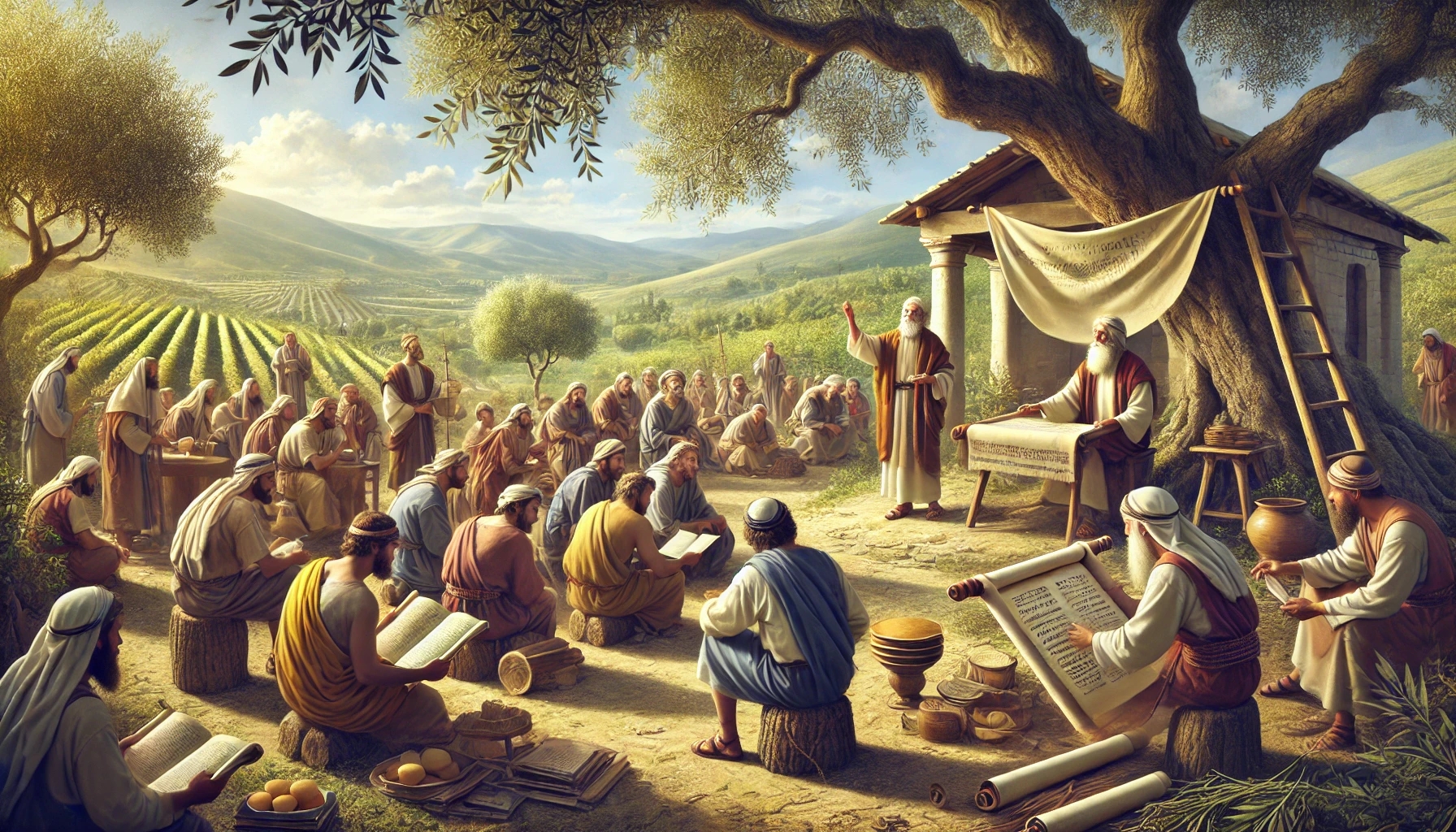
The students of the schools of the prophets worked with their hands—not by force, but by principle. Character is formed through work, responsibility, and commitment.
⋯⋯⋯⋯⋯⋯⋯⋯⋯⋯◆⋯⋯⋯⋯⋯⋯⋯⋯⋯⋯
🧵 Commentary
Each student learned a trade or worked in agriculture. This was not a burden, but training. Physical labor was seen as part of godliness. Even the teachers often lived by the work of their own hands—an example of humility and independence. This practice helped avoid idleness, encouraged diligence, and built confidence. Education did not mean separation from work—but a holy union of doing and thinking.
⋯⋯⋯⋯⋯⋯⋯⋯⋯⋯◆⋯⋯⋯⋯⋯⋯⋯⋯⋯⋯
🧺 Summary
Work and education went hand in hand—as a means of strengthening character.
⋯⋯⋯⋯⋯⋯⋯⋯⋯⋯◆⋯⋯⋯⋯⋯⋯⋯⋯⋯⋯
🔦 Message for Us Today
True education includes practical skills—work shapes character.
⋯⋯⋯⋯⋯⋯⋯⋯⋯⋯◆⋯⋯⋯⋯⋯⋯⋯⋯⋯⋯
📝 Reflection
How do I teach responsibility—through real tasks or only through words?