📅 22 December 2025
📚 BELIEVE HIS PROPHETS
📖 Daily Bible Reading
👑 1 Samuel 14 – Courage of Faith and Human Zeal – Two Paths, One God
✨ Jonathan trusts God and acts boldly – Saul, however, is driven by reckless zeal
🌐 Read online here
📍 Introduction
1 Samuel 14 presents two very different men in the fight against the Philistines: Jonathan, Saul’s son, acts in trust in God’s power. Saul, on the other hand, leads with religious zeal but little spiritual insight. In this chapter, courageous faith and dangerous fanaticism collide—and teach us important lessons about leadership, trust, and humility.
⋯⋯⋯⋯⋯⋯⋯⋯⋯⋯◆⋯⋯⋯⋯⋯⋯⋯⋯⋯⋯
🧵 Commentary
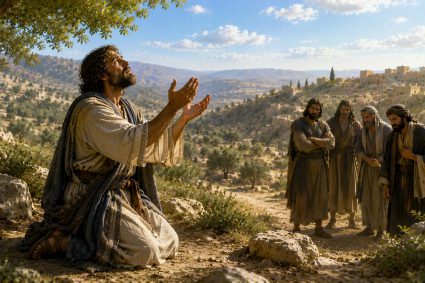
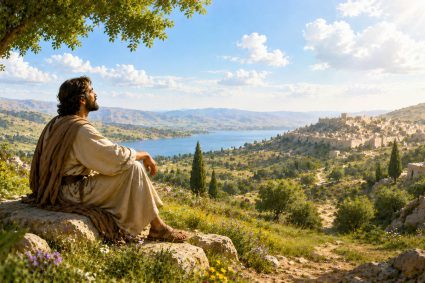
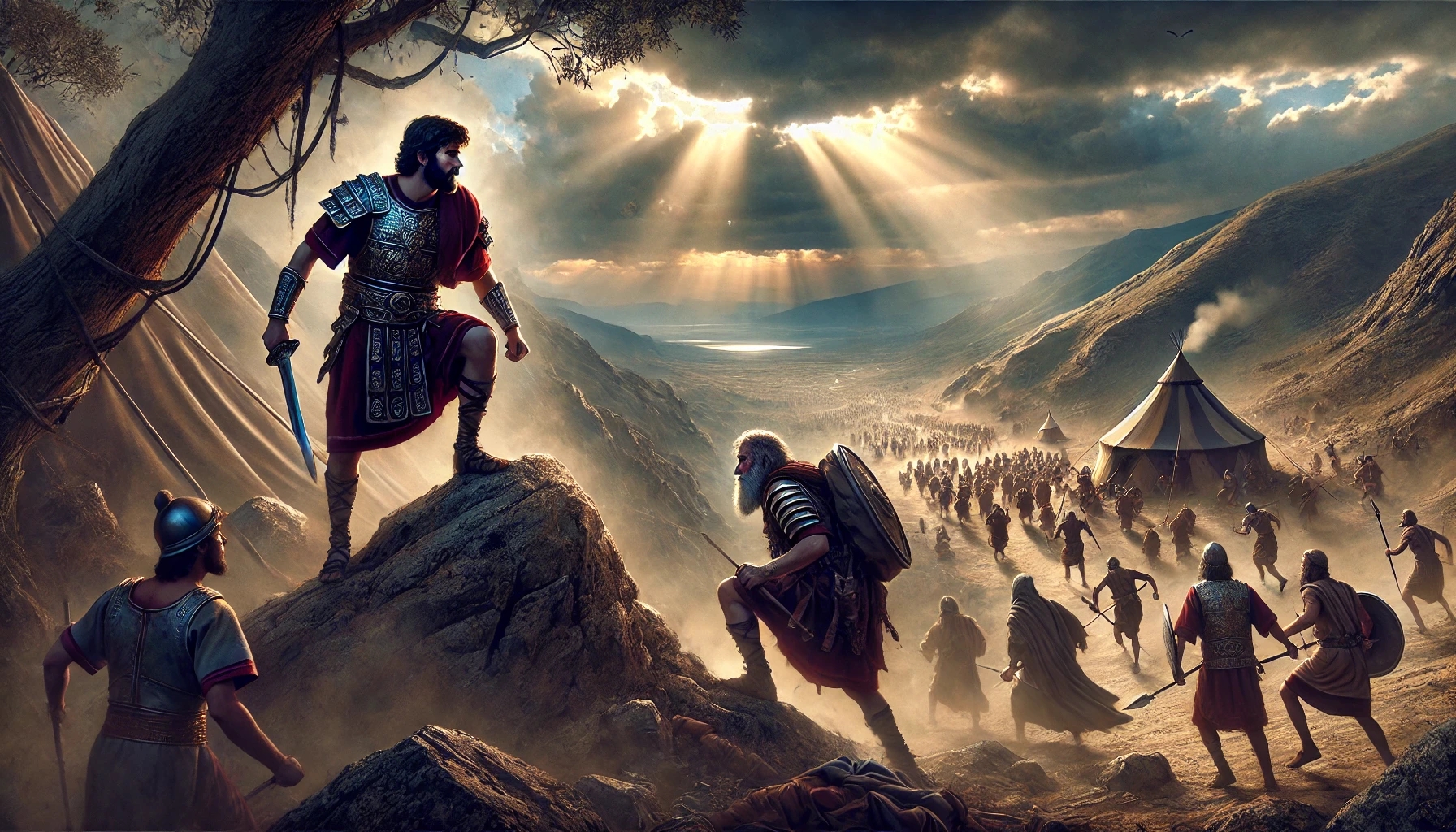
Israel’s situation was tense. The Philistines had assembled a powerful army. While Saul sat under a pomegranate tree in Gibeah without a clear strategy, Jonathan chose a bold course of action. Secretly—without his father’s knowledge—he set out with his loyal armor-bearer toward the Philistine outpost. His faith in God’s power was deep: “Nothing can hinder the Lord from saving, whether by many or by few.” This trust was not reckless daring, but an expression of complete dependence on God.
God blessed this step of faith with a powerful victory: an earthquake, divine terror, and confusion among the enemies brought Israel a breakthrough.
Meanwhile, Saul displayed a different kind of religious zeal. He imposed an oath of fasting on the entire army—no one was allowed to eat until evening. What initially appeared to be devotion proved foolish: the people grew weak, and the battle dragged on. Jonathan, unaware of the oath, tasted some honey and was refreshed. When he learned that his father had placed the people under a curse, he openly criticized this excessive zeal: “My father has troubled the land.”
The story takes a serious turn: Saul intends to kill Jonathan for his supposed “disobedience.” But the people intervene and protect Jonathan. They recognize that it was not Saul, but God who granted the victory through Jonathan. In the end, the people prevent the unnecessary death of their hero.
At the close of the chapter, the focus shifts to Saul’s further wars and his family. Despite political success, a spiritual shadow remains over his leadership: Saul was a king after the desire of the people—but not after the heart of God.
⋯⋯⋯⋯⋯⋯⋯⋯⋯⋯◆⋯⋯⋯⋯⋯⋯⋯⋯⋯⋯
🧺 Summary
Jonathan demonstrates courageous faith and experiences God’s intervention. Saul, however, becomes an instrument of confusion through an unwise oath. The people realize that true blessing is found only where God is honored—not where religious power is misused.
⋯⋯⋯⋯⋯⋯⋯⋯⋯⋯◆⋯⋯⋯⋯⋯⋯⋯⋯⋯⋯
🔦 Message for Us Today
God works through courageous, trusting hearts—even when they seem small. True faith is not loud or showy, but quietly relies on God’s intervention. At the same time, Saul’s example warns us: religious zeal without wisdom can destroy. What is needed is spiritual discernment, not religious performance. God desires obedient hearts, not inflated piety.
⋯⋯⋯⋯⋯⋯⋯⋯⋯⋯◆⋯⋯⋯⋯⋯⋯⋯⋯⋯⋯
📝 Reflection
➤ Where in your life do you act boldly in trust in God’s intervention—like Jonathan?
➤ Or are there areas where you—like Saul—make hasty decisions out of fear or pride, without truly seeking God?
═══════════ ✶ ✶ ═══════════