
🌿 Traces of Creation – Discoveries from Nature
📖 Introduction to the Second Series
🦋 Transformation and Order – What Insects Teach Us
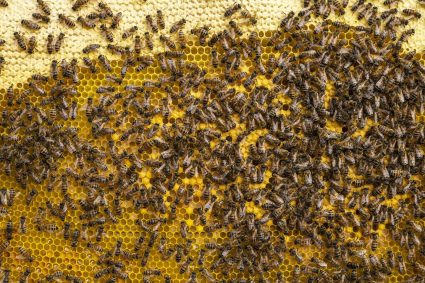
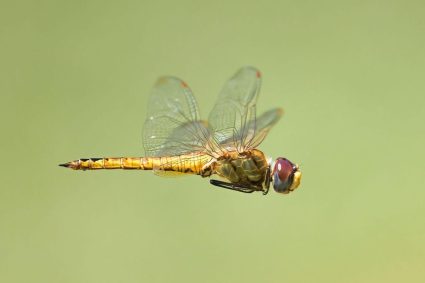
Insects form the most species-rich group of living beings on Earth.
They pollinate plants, decompose organic material, regulate populations
and maintain ecological balance – mostly unnoticed.
And yet, biologically, they are anything but simple.
An insect is not a primitive creature.
It possesses:
- highly specialized sensory organs
- precise movement control
- complex developmental cycles
- instinctive behavior with high reliability
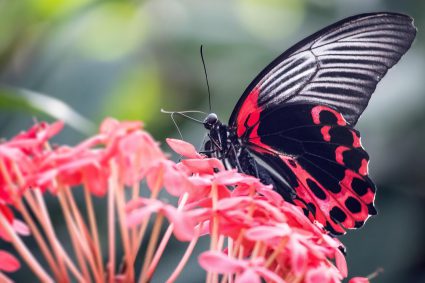
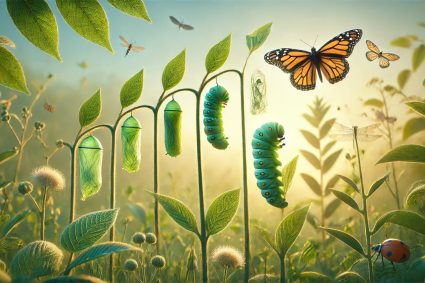
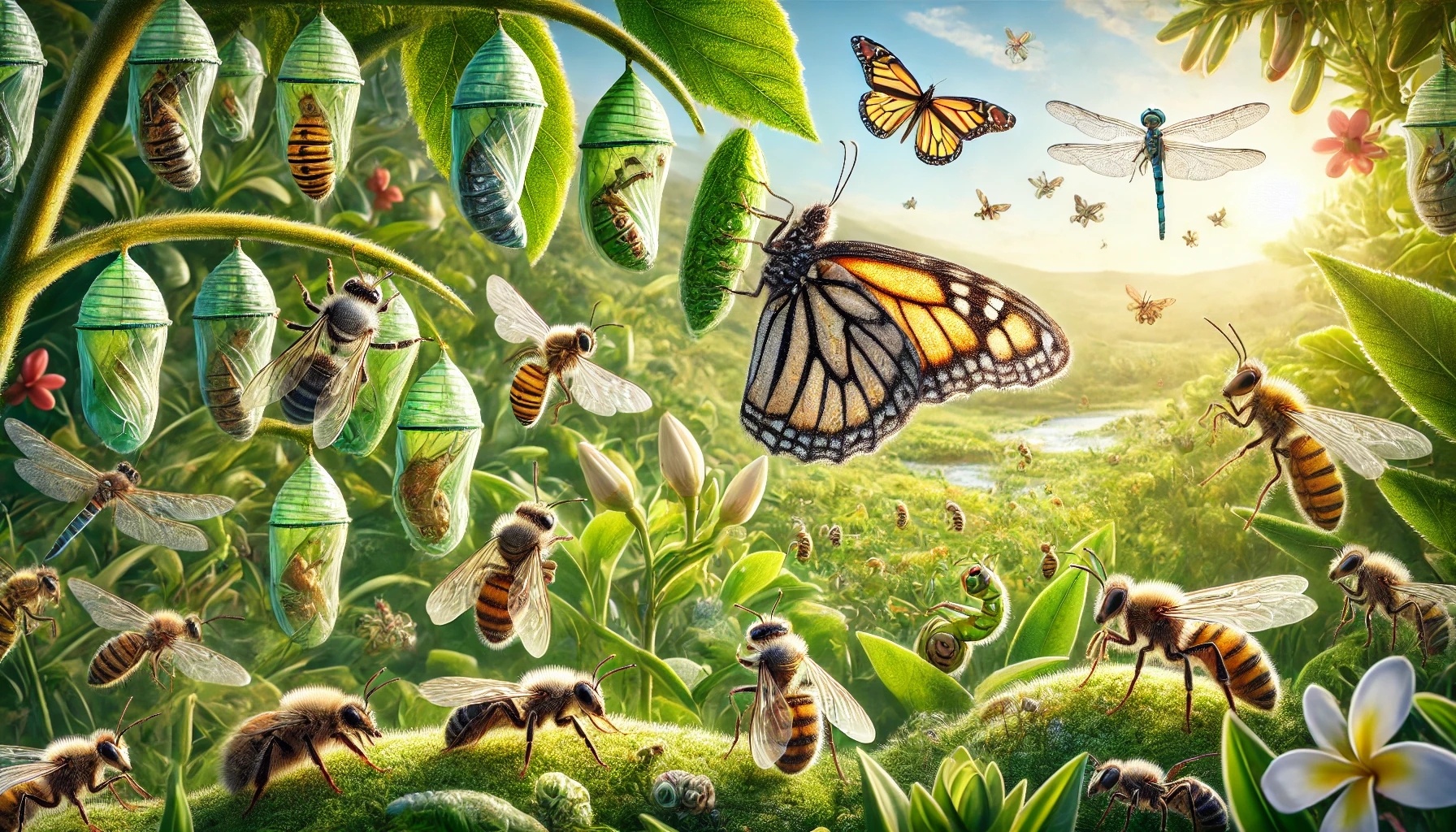
Especially fascinating is the transformation:
An organism dissolves its own body
and is formed anew –
ordered, functional, purposeful.
This series explores exactly such phenomena.
It does not look for sensations,
but for structures.
Not for exceptions,
but for patterns.
The Christian perspective accompanying these texts
does not view the world of insects as a product of chance,
but as part of a creation
in which order and purpose become visible even in the smallest details.
It is not about proving something,
but about careful observation
and asking
what this order reveals about life, limits, and responsibility.
In the next nine episodes, we will follow these traces –
through metamorphosis, orientation, perception, and cooperation.
Calmly. Rationally. Openly.
And perhaps we will discover
that what is small is not only functional,
but meaningful.
🦋 Preview of the Second Series
Transformation and Order – What Insects Teach Us (April–May)
They are small.
Often overlooked.
Sometimes even unwanted.
And yet insects are among the most astonishing living beings in our world.
In this second series of Traces of Creation, we turn our attention to a world
that usually appears only at the edges of our perception –
and yet is shaped by order, precision, and remarkable complexity.
How does a transformation work in which a body is completely rebuilt?
How do insects navigate over long distances?
Why do their systems function so reliably despite their minimal size?
This series invites us to take the small seriously.
Objectively. Clearly. Without exaggeration.
And it shows:
Size is not a measure of significance.
