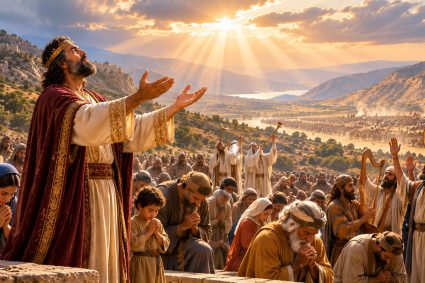
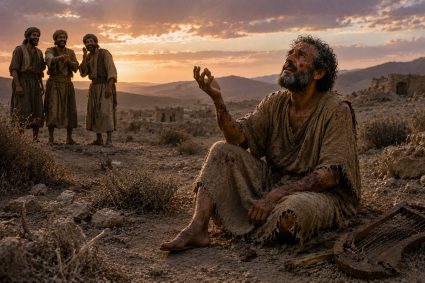
1 Samuel 22 is one of the darkest chapters in David’s story. Two paths become visible: David’s path of flight, responsibility, and a growing calling—and Saul’s path of fear, paranoia, and brutal guilt. In the cave of Adullam something new begins, while in Nob an unspeakable crime takes place. This chapter forces us to look closely: at leadership, guilt, loyalty, and God’s hidden work in the midst of suffering.
⋯⋯⋯⋯⋯⋯⋯⋯⋯⋯◆⋯⋯⋯⋯⋯⋯⋯⋯⋯⋯
🧵 Commentary
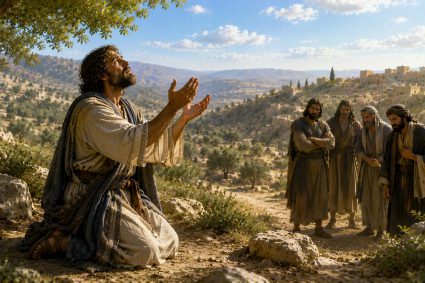
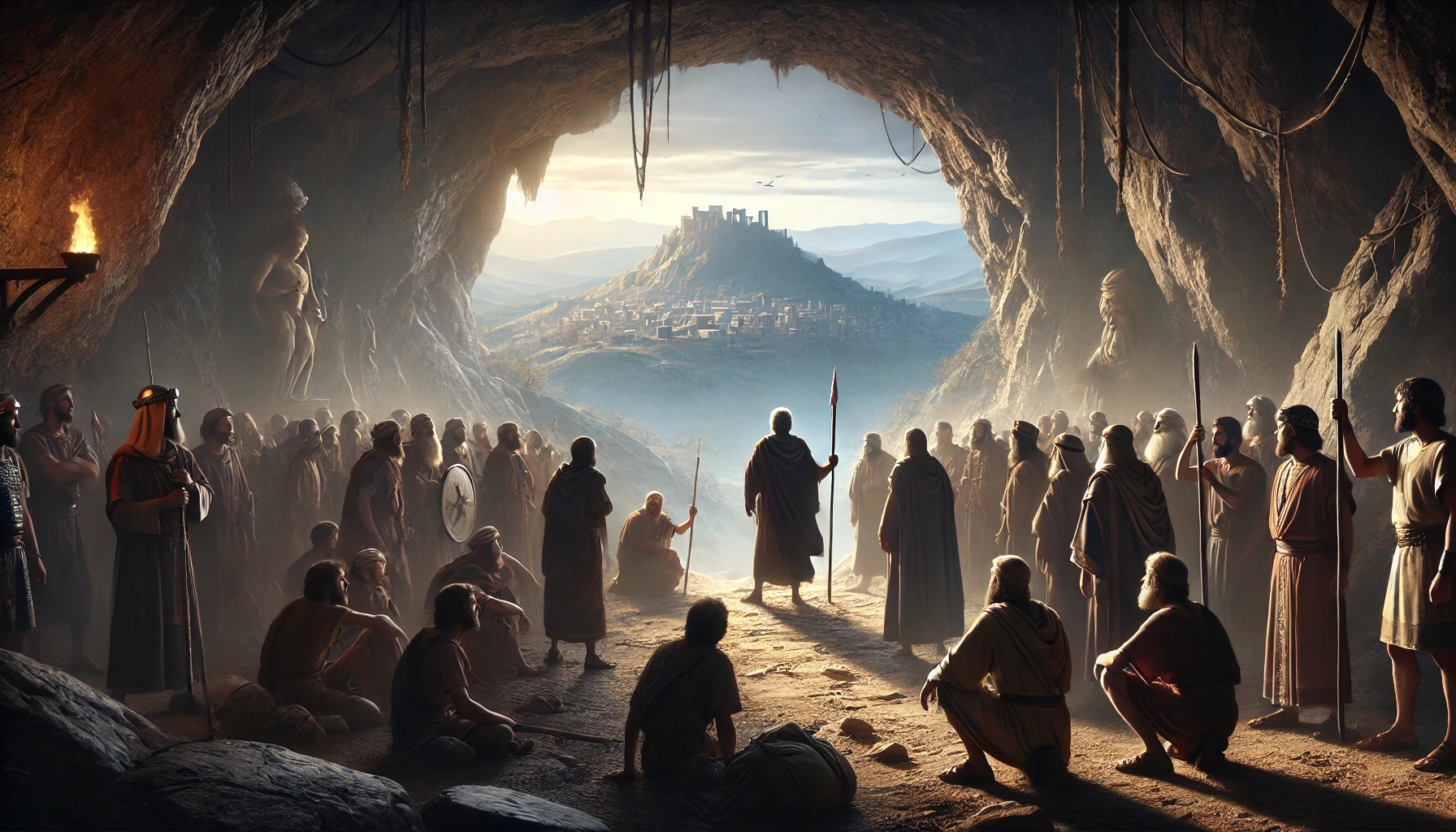
David is on the run again. He finds refuge in the cave of Adullam, a dark, remote place. But this cave will not become a place of isolation, but of gathering. One after another, people come to him: his brothers, his family—and then those no one wants. Men in distress, in debt, bitter, without hope. Four hundred of them. Not an army of heroes, but a crowd of broken people. And David becomes their leader—not through power, but through presence.
David first provides for his parents. He takes them to Moab and asks the king to protect them. David still does not know where his path will lead. His words are simple and honest: “until I know what God will do with me.” A sentence full of uncertainty—and full of trust.
But God calls him onward. The prophet Gad tells David to leave the safe place and return to Judah. David obeys. He goes into the forest of Hereth—back into dangerous territory. Safety gives way to obedience.
Meanwhile Saul sits in Gibeah, under a tree, spear in hand. This image says it all: a king armed, surrounded by fear and suspicion. He accuses his servants of betrayal, manipulates them with promises of land and power. Even Jonathan becomes his enemy now. Saul sees conspiracies everywhere—except in his own failure.
Then Doeg the Edomite steps forward. He reminds Saul of what he saw in Nob: David with the priest Ahimelech. Bread. Sword. Prayer. Words Saul interprets as high treason.
Ahimelech and all the priests of Nob are summoned. Calm, dignified, and honest, the priest defends himself. He reminds Saul who David is: faithful, proven, the king’s son-in-law. He declares his innocence—and speaks the truth. But truth has no place with Saul anymore.
Saul gives the verdict: death for Ahimelech and his entire household.
The royal guards refuse. They fear God more than the king. But Saul finds someone without scruples. Doeg carries out the massacre: eighty-five priests are killed. Then Nob is wiped out—men, women, children, animals. A holy place becomes a place of blood.
Only Abiathar, a son of Ahimelech, escapes. He flees to David and tells him everything. And David? He does not push the blame away. He does not say, “Saul is guilty.” He says:
“I am responsible for every soul in your father’s house.”
David takes responsibility—even though he is not the perpetrator. And then he speaks words of protection:
“Stay with me. Whoever seeks my life seeks your life as well. With me you will be kept safe.”
So the chapter ends: with blood, guilt, but also with refuge. The king murders. The hunted one protects.
⋯⋯⋯⋯⋯⋯⋯⋯⋯⋯◆⋯⋯⋯⋯⋯⋯⋯⋯⋯⋯
🧺 Summary
David gathers a band of distressed people in the cave of Adullam and provides for his parents. By God’s direction he returns to Judah. Saul, driven by fear and suspicion, listens to Doeg, has the priests of Nob killed, and destroys the entire city. Abiathar escapes and flees to David, who takes responsibility and promises him protection.
⋯⋯⋯⋯⋯⋯⋯⋯⋯⋯◆⋯⋯⋯⋯⋯⋯⋯⋯⋯⋯
🔦 Message for Us Today
This chapter shows sharply where fear without God leads—and where trust, even in the presence of guilt, can lead. Saul rules with violence; David serves with responsibility. Saul destroys priests; David gathers the broken.
God does not build His kingdom through abuse of power, but through people willing to carry burdens—even чужое (others’) guilt. True spiritual leadership is shown not in success, but in how we deal with suffering.
⋯⋯⋯⋯⋯⋯⋯⋯⋯⋯◆⋯⋯⋯⋯⋯⋯⋯⋯⋯⋯
📝 Reflection
Where is God gathering you right now—perhaps not in a palace, but in a “cave”?
How do you deal with guilt you did not directly cause, but still carry?
Are you more inclined to rule like Saul—or to protect like David?
══════════ ✶ ✶ ══════════
📆 28 December 2025 – 3 January 2026
📚 BELIEVE HIS PROPHETS
📖 Weekly Reading from the Spirit of Prophecy
📘 Ellen White | Patriarchs and Prophets
🔥 Chapter 53: The Older Judges
✨ Festivals of remembrance and hope—how God strengthened His people through times of worship
🌐 Read online here
🟡 Blog 3
🌾 Gideon—the hesitant hero
🧭 When God turns the weak into deliverers
📍 Introduction
In the midst of Israel’s worst oppression, God calls not a king, but a frightened farmer—Gideon.
⋯⋯⋯⋯⋯⋯⋯⋯⋯⋯◆⋯⋯⋯⋯⋯⋯⋯⋯⋯⋯
🧵 Commentary
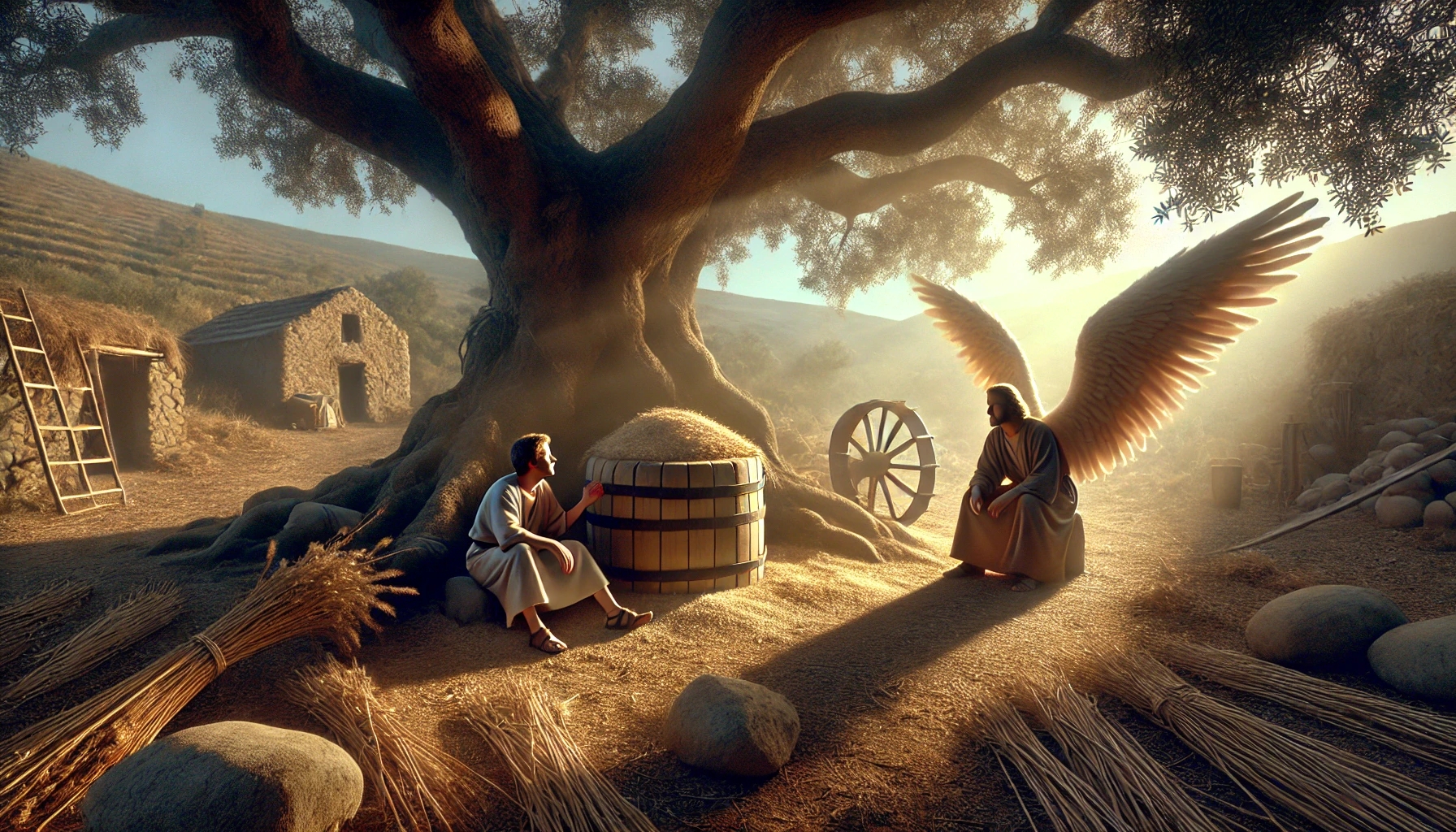
Gideon was secretly threshing wheat in the winepress—a picture of the fear and uncertainty of that time. And it is right there that the angel of the Lord meets him. Not with rebuke, but with a surprising greeting: “The Lord is with you, mighty warrior.”
Gideon doubted. Where was God? Where were the miracles? But God did not answer with explanations—He answered with a calling. Gideon asked for signs—and God patiently met him there. Fire from the rock, dew on the fleece—God strengthened His servant’s faith step by step.
Gideon began where true faith always begins: in his own home. He tore down his father’s altar to Baal. Only then did God call him to public battle. So a fearful man became an instrument of divine power.
⋯⋯⋯⋯⋯⋯⋯⋯⋯⋯◆⋯⋯⋯⋯⋯⋯⋯⋯⋯⋯
🧺 Summary
God does not call perfect people—He calls willing ones.
⋯⋯⋯⋯⋯⋯⋯⋯⋯⋯◆⋯⋯⋯⋯⋯⋯⋯⋯⋯⋯
🔦 Message for Us Today
God often meets us right in the middle of our fear—and calls us what we can become in Him.
⋯⋯⋯⋯⋯⋯⋯⋯⋯⋯◆⋯⋯⋯⋯⋯⋯⋯⋯⋯⋯
📝 Reflection
Where is God calling you to clean things up first—before He leads you further?
⋯⋯⋯⋯⋯⋯⋯⋯⋯⋯◆⋯⋯⋯⋯⋯⋯⋯⋯⋯⋯