📅 18 January 2026
📚 BELIEVE HIS PROPHETS
📖 Daily Bible Reading
👑 2 Samuel 10 – Mockery, Retaliation, and Trust
✨ How false suspicion starts a war—and how God’s people remain steadfast
🌐 Read online here
📍 Introduction
Chapter 10 begins with an act of kindness but ends in war. David acts out of genuine loyalty and compassion, but his gesture is misunderstood and publicly shamed. The military conflict that follows shows how quickly mistrust and pride can escalate, but also how important unity, courage, and trust in God’s will are—especially in times of pressure.
⋯⋯⋯⋯⋯⋯⋯⋯⋯⋯◆⋯⋯⋯⋯⋯⋯⋯⋯⋯⋯
🧵 Commentary
A king dies—Nahash, king of the Ammonites. In the past, there had apparently been friendly relations between him and David. Now David wants to show kindness to the new king, Hanun, by sending messengers to express his condolences—a gesture of respect and peace.
But Hanun is young, inexperienced, and surrounded by bad advisers. They plant suspicion: “David is not sincere—his messengers are spies!” Instead of receiving them with honor, Hanun publicly humiliates them. He has half of their beards shaved (a great disgrace in the ancient Near East) and cuts their garments off at the waist—an act of deep humiliation.
The news reaches David. He is shocked—not only at the insult to his messengers, but at the attack on the dignity of his kingship. Yet he shows compassion: the men are told to stay in Jericho until their beards grow back.
The Ammonites soon realize they have gone too far. In fear, they prepare for war. They hire Syrian mercenaries. A coalition from Rehob, Zobah, Maacah, and Is-Tob—over 30,000 men—comes out. A small act of foolishness has triggered a regional war.
David responds decisively and sends Joab with the army. The battlefield is tactically difficult: the Syrians are in the open field, the Ammonites are in front of their city—a two-front war. Joab shows wise leadership. He divides the army. He himself fights the Syrians; his brother Abishai fights the Ammonites.
Before the battle, Joab speaks words that are more than military strategy:
“Be strong, and let us be courageous for our people and for the cities of our God. And the Lord will do what is good in His sight.”
This shows that it is not just about politics, but about God’s honor and the well-being of the people.
The Syrians flee, and the Ammonites lose heart and retreat. But the conflict is not over. Hadadezer, a powerful Syrian king, gathers an even larger army. Now David himself goes out with all Israel to battle.
At Helam, they meet the Syrians. This time there is no holding back: David defeats them decisively—thousands of horsemen, hundreds of chariots, and even the Syrian commander Shobach is killed. The Syrians surrender and make peace. They no longer help the Ammonites.
⋯⋯⋯⋯⋯⋯⋯⋯⋯⋯◆⋯⋯⋯⋯⋯⋯⋯⋯⋯⋯
🧺 Summary
A misunderstood act of friendship leads to a major military conflict. The Ammonites insult David, arm themselves, and are defeated along with their Syrian allies. Joab’s trust in God’s will and David’s clear leadership lead Israel to victory.
⋯⋯⋯⋯⋯⋯⋯⋯⋯⋯◆⋯⋯⋯⋯⋯⋯⋯⋯⋯⋯
🔦 Message for Us Today
Mistrust can be more destructive than weapons. When we always expect the worst in others, we miss real relationships. At the same time, this chapter shows us that when we stand courageously for what is right and leave the outcome to God, He leads us through.
Even in seemingly “political” or relational conflicts, this remains true: strength is not only in fighting, but in trusting. God’s will stands above every strategy.
⋯⋯⋯⋯⋯⋯⋯⋯⋯⋯◆⋯⋯⋯⋯⋯⋯⋯⋯⋯⋯
📝 Reflection
Where have I offered something good and been rejected?
How do I deal with misunderstandings—do I rush into “battle”?
Am I willing to say, “The Lord will do what is good in His sight,” even in times of crisis?
══════════ ✶ ✶ ══════════
📆 January 18 -24, 2026
📚 BELIEVE HIS PROPHETS
📖 Weekly Reading from the Spirit of Prophecy
📘 Ellen G. White | Patriarchs and Prophets
🔥 Chapter 58 : The Schools of the Prophets
✨ Divine education for heart, mind, and character—training with an eternal purpose
🌐 Read online here
📘 Blog 1
God’s School – Education with a Heavenly Purpose
Divine education begins in the home
📍 Introduction
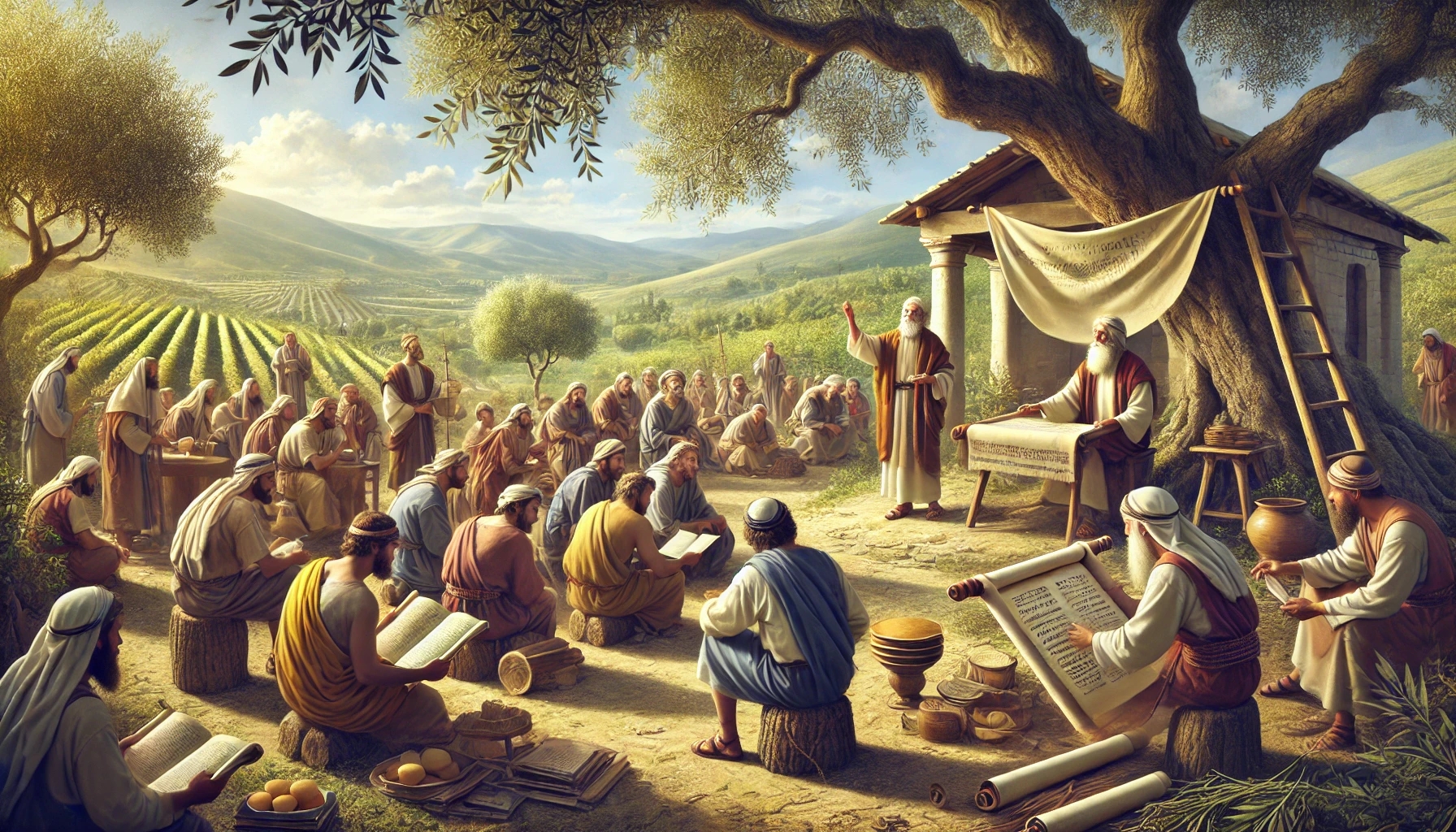
God gave Israel not only spiritual laws, but also a thoughtful plan for education. This education began in the home, with parents appointed as the first teachers of their children.
⋯⋯⋯⋯⋯⋯⋯⋯⋯⋯◆⋯⋯⋯⋯⋯⋯⋯⋯⋯⋯
🧵 Commentary
In Israel, the responsibility to teach children about God’s works and His law lay first with the parents. They were to tell what the Lord had done for their fathers. Faith was not passed on institutionally, but through everyday conversation, through observing nature, through pictures and symbols, and through shared experiences of God’s reality. This education shaped lives deeply—Moses in Goshen, Samuel through Hannah, David in Bethlehem, Daniel in Jerusalem, and Jesus in Nazareth.
⋯⋯⋯⋯⋯⋯⋯⋯⋯⋯◆⋯⋯⋯⋯⋯⋯⋯⋯⋯⋯
🧺 Summary
God’s education begins in the home—through example, stories, nature, and lived spirituality.
⋯⋯⋯⋯⋯⋯⋯⋯⋯⋯◆⋯⋯⋯⋯⋯⋯⋯⋯⋯⋯
🔦 Message for Us Today
True education begins with the heart—and at home. Parents have a sacred calling to shape their children.
⋯⋯⋯⋯⋯⋯⋯⋯⋯⋯◆⋯⋯⋯⋯⋯⋯⋯⋯⋯⋯
📝 Reflection
What shapes my children more: my words or my lived faith?