


👑 TEASER – 2 SAMUEL
2 Samuel – The Rise of the King
From a broken throne to established rule
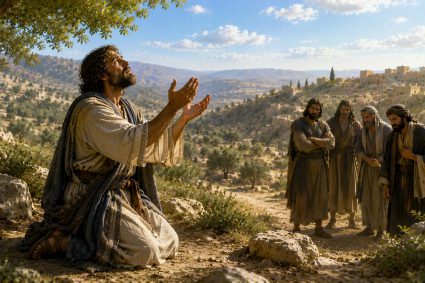
After tears, flight, and loss, the royal story now begins: David rises—not as a flawless hero, but as a man after God’s own heart.
2 Samuel tells of power and mercy, triumphs and tragedies, blessing and brokenness. It is the book of the crown—but also of the cross, because David’s life reflects more than political history: it points ahead to the coming King, the Son of David, whose kingdom will have no end—Jesus Christ.
👉 From the throne in Hebron to the promise of an everlasting house
👉 From dancing before the Ark of the Covenant to a fall through guilt
👉 From the sword within one’s own house to the comfort of grace
📚 2 Samuel is the book that shows us God writes with people—not despite their weaknesses, but through them.
⚔️ A king becomes visible. A kingdom is shaped. A Redeemer is promised.
👑 The Message of the Book of 2 Samuel
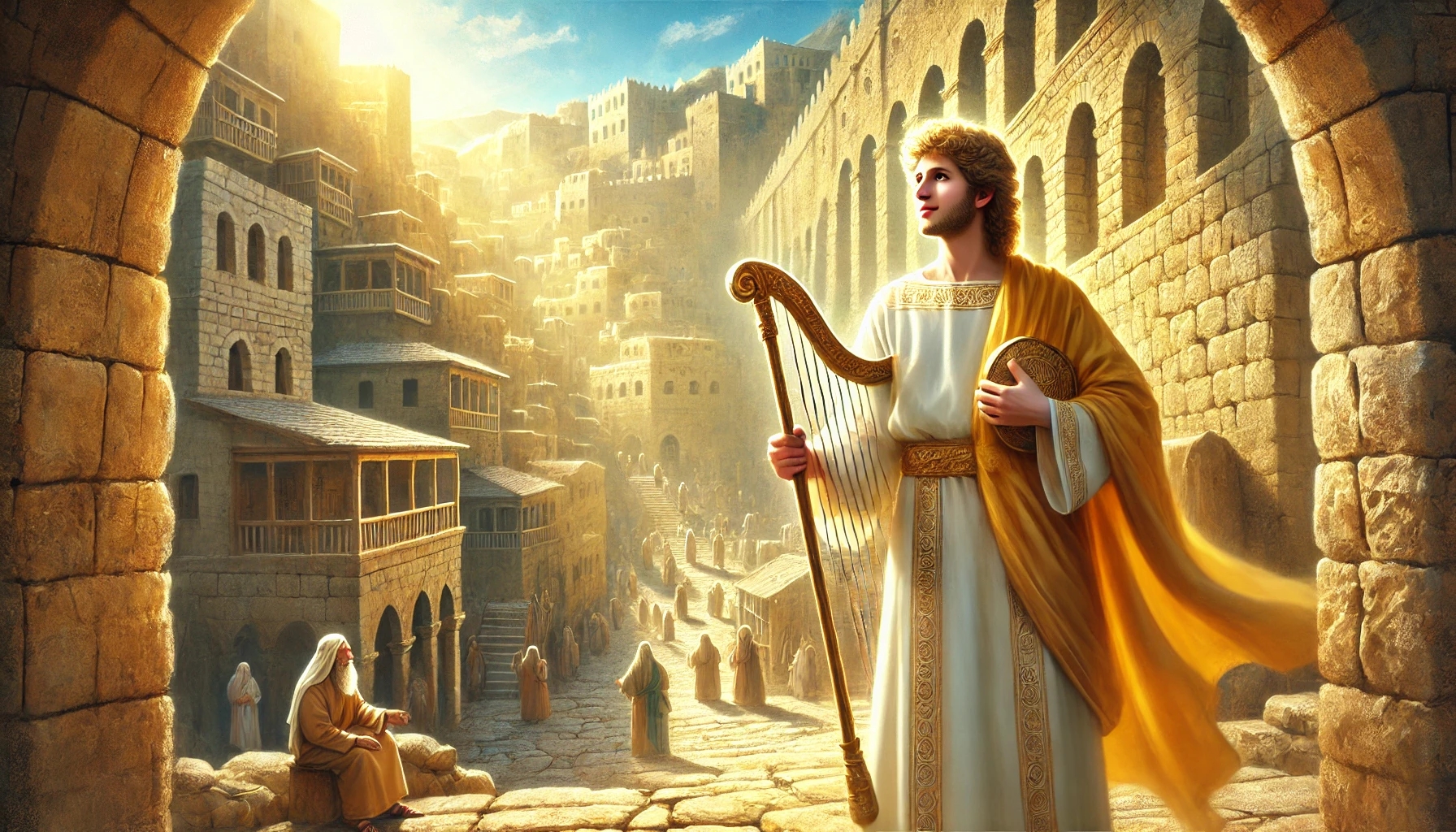
The book of 2 Samuel is a story about rule, heart, and holiness—about David’s rise, his great victories, and his deep falls. It shows how God’s promises are fulfilled through human fractures.
From coronation to crisis. From the Ark of the Covenant to fratricide. From songs of praise to tears of repentance.
And at the center: a king who lives after God’s heart—and yet falls.
⋯⋯⋯⋯⋯⋯⋯⋯⋯⋯◆⋯⋯⋯⋯⋯⋯⋯⋯⋯⋯
1. What is the Book of 2 Samuel?
📖 2 Samuel is the tenth book of the Bible and belongs to the historical books of the Old Testament. It continues the narrative of 1 Samuel.
📍 It describes the beginning and consolidation of David’s kingship over Israel.
📍 Main figures: David, Joab, Absalom, Bathsheba, Nathan—and God, who remains faithful despite every fracture.
📍 Timeframe: approx. 1000–960 BC
Central storyline:
-
David is anointed king in Hebron.
-
He conquers Jerusalem and makes it the capital.
-
The Ark of the Covenant is brought into the city—a spiritual high point.
-
God promises David an everlasting house—the messianic promise.
-
Then: adultery with Bathsheba, the murder of Uriah.
-
Nathan confronts David—he repents.
-
The price: family breakdown—Amnon, Tamar, Absalom—tragedies in the royal house.
-
In the end, David returns—shaken, yet upheld by grace.
⋯⋯⋯⋯⋯⋯⋯⋯⋯⋯◆⋯⋯⋯⋯⋯⋯⋯⋯⋯⋯
2. Main Themes and Core Messages
🟩 God appoints kings—and carries their story
David becomes king not by his own strength, but by God’s decision.
📖 “The LORD anointed David king over Israel.” (2 Samuel 5:3)
🟩 True greatness is shown in worship
David dances before the Ark—not as king, but as worshiper.
📖 “I will become even more undignified than this.” (2 Samuel 6:22)
🟩 Grace despite guilt
David fails grievously—but he flees to God, not from Him.
📖 “I have sinned against the LORD.” (2 Samuel 12:13)
God forgives—yet consequences remain. David’s life is not destroyed, but it is changed.
🟩 God builds an everlasting house
David does not build God a house—God builds David a “house”: a dynastic promise fulfilled in Jesus Christ.
📖 “Your house and your kingdom shall endure forever.” (2 Samuel 7:16)
⋯⋯⋯⋯⋯⋯⋯⋯⋯⋯◆⋯⋯⋯⋯⋯⋯⋯⋯⋯⋯
3. The Spiritual Message for Today
🟨 1. God sees deeper than performance
David is not perfect—but honest. God seeks not a polished king, but a devoted heart.
🟨 2. Sin destroys—but grace remains greater
The Bathsheba chapter shows: God does not tolerate sin—but He gives hope after the fall.
🟨 3. Worship is not secondary
David was not only warrior and king—he was a worshiper. True spiritual leadership begins in praise.
🟨 4. God builds His kingdom through broken people
The line to the Messiah runs not through perfection, but through grace. David is the father of the King who was crucified for us—Jesus Christ.
⋯⋯⋯⋯⋯⋯⋯⋯⋯⋯◆⋯⋯⋯⋯⋯⋯⋯⋯⋯⋯
4. Key Verses
📖 2 Samuel 5:3 – “The LORD anointed David king over Israel.”
📖 2 Samuel 6:14 – “David danced with all his might before the LORD.”
📖 2 Samuel 7:16 – “Your house and your kingdom shall endure forever.”
📖 2 Samuel 12:13 – “I have sinned against the LORD.”
📖 2 Samuel 22:2 – “The LORD is my rock, my fortress, and my deliverer.”
⋯⋯⋯⋯⋯⋯⋯⋯⋯⋯◆⋯⋯⋯⋯⋯⋯⋯⋯⋯⋯
✅ Conclusion
2 Samuel is not a heroic epic—it is a testimony of God’s faithfulness amid human failure.
It shows:
-
how shepherds become kings,
-
how grace grows out of guilt,
-
how God writes history—not despite, but through broken hearts.
In short:
👑 2 Samuel teaches us that God’s promises endure even through our weaknesses—because grace is stronger than guilt.
══════════ ✶ ✶ ══════════
📅 9 January 2026
📚 BELIEVE HIS PROPHETS
📖 Daily Bible Reading
👑 2 Samuel 1 – From the death of a king to the lament of a heart
✨ David hears of Saul’s death, judges the messenger, and raises a song of mourning.
🌐 Read online here
📍 Introduction
The second book of Samuel begins not with triumph, but with grief.
David, freshly returned from battle against the Amalekites, learns of the death of his enemy—and his friend. His response is not revenge or self-promotion, but brokenness, justice, and lament.
David meets the death of Saul and Jonathan with tears—and a song.
A chapter about honor, pain, true loyalty—and the greatness of a man who weeps for his enemy.
⋯⋯⋯⋯⋯⋯⋯⋯⋯⋯◆⋯⋯⋯⋯⋯⋯⋯⋯⋯⋯
🧵 Commentary
Three days after returning from Ziklag, David meets a man—clothes torn, dust on his head. He brings news from the battlefield: Saul is dead. Jonathan too. And many with them.
David asks what happened. The man, an Amalekite, claims he found Saul badly wounded and killed him at Saul’s request. He took the crown and armlet—and brought them to David.
Instead of honor, he meets death. David tears his clothes, mourns with his men, fasts—not only for Jonathan, the beloved friend, but also for Saul, the king who had pursued him for years.
David confronts the messenger:
“How did you dare lift your hand against the LORD’s anointed?”
For David, this is clear: even if Saul had fallen—his office remained holy.
Then David sings a lament—the Song of the Bow—and teaches it to the men of Judah. Not a victory song over an enemy’s death, but a dirge for a king, a hero, a friend.
The words are full of reverence and sorrow:
“How the mighty have fallen!”
Saul—described as noble and strong, who clothed Israel in scarlet and gold.
Jonathan—faithful, beloved, close to David’s heart—Jonathan.
Especially moving:
“Your love to me was wonderful, surpassing the love of women.”
This is the lament of a brother, not a politician.
David begins his kingship not with politics, but with tears.
His greatness is shown not in victories—but in how he faces death.
⋯⋯⋯⋯⋯⋯⋯⋯⋯⋯◆⋯⋯⋯⋯⋯⋯⋯⋯⋯⋯
🧺 Summary
An Amalekite reports to David the death of Saul and Jonathan, claiming to have killed Saul and bringing crown and armlet. David mourns, has the man executed for striking the LORD’s anointed, and composes a lament for Saul and Jonathan—the Song of the Bow.
⋯⋯⋯⋯⋯⋯⋯⋯⋯⋯◆⋯⋯⋯⋯⋯⋯⋯⋯⋯⋯
🔦 Message for Us Today
This chapter shows what spiritual maturity means:
-
David honors the office of king even when the man failed.
-
He does not triumph over Saul’s fall, but recognizes God’s hand in all things.
-
He mourns his enemy—and praises character, not mistakes.
-
He loves his friend—and shares the memory with the whole people.
🟨 In a world that exposes faults instantly, David teaches us:
Honor does not end when people fail.
🟨 In an age of self-promotion, David shows:
The path to the crown runs through humility, not opportunism.
⋯⋯⋯⋯⋯⋯⋯⋯⋯⋯◆⋯⋯⋯⋯⋯⋯⋯⋯⋯⋯
📝 Reflection
-
How do you deal with the failures of others—especially leaders or authorities?
-
Have you learned to honor even the person with whom you had conflict?
-
Do you carry your grief honestly before God—or do you drown pain in constant activity?
══════════ ✶ ✶ ══════════
📆 8–10 January 2026
📚 BELIEVE HIS PROPHETS
📖 Weekly Reading from the Spirit of Prophecy
📘 Ellen G. White | Patriarchs and Prophets
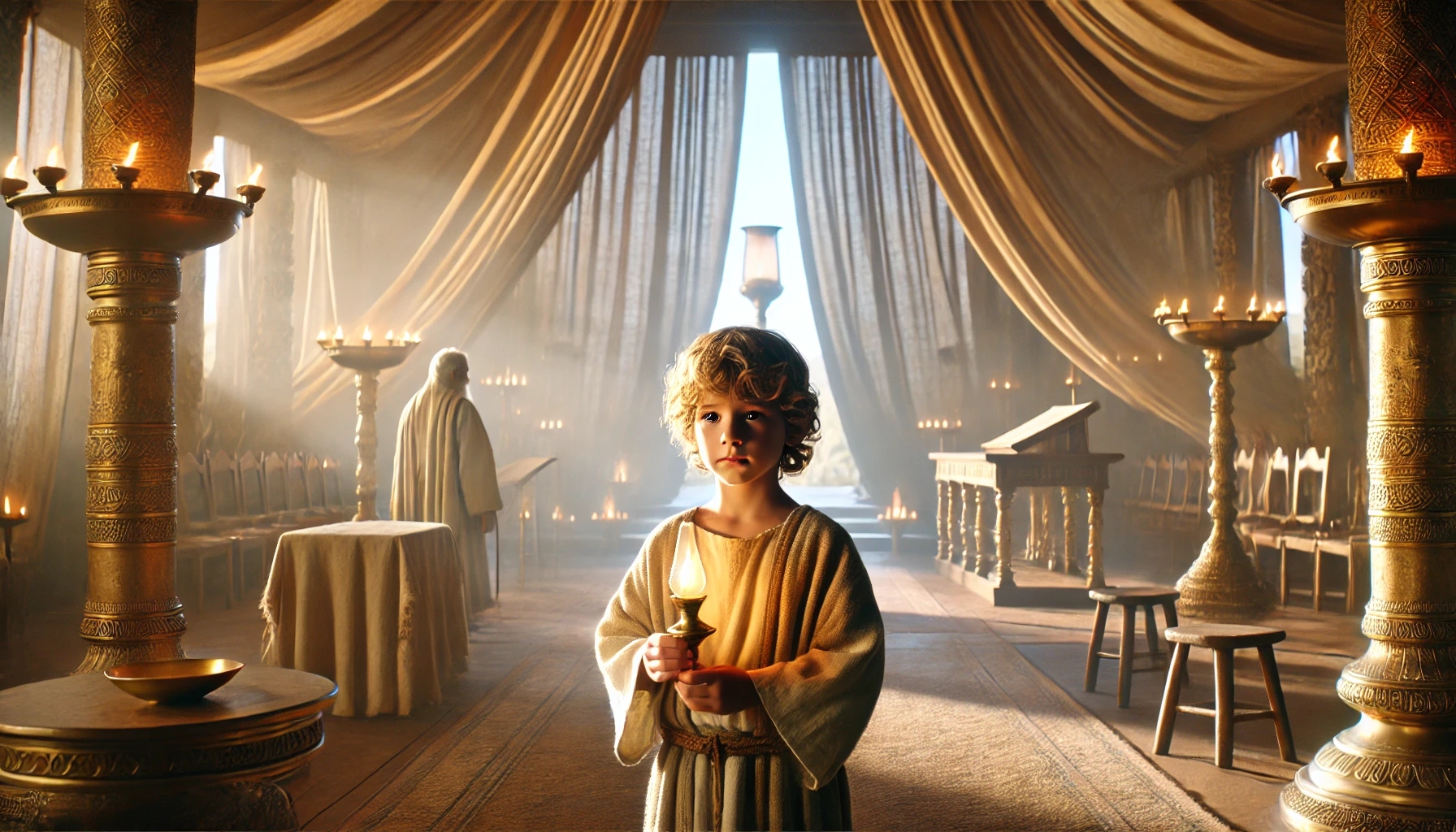
🔥 Chapter 55: The Child Samuel
✨ A child for God—how faithfulness in small things leads to greatness
🌐 Read online here
📘 Blog 2
👦 Samuel – A Child for the Lord
God does not call only adults—He shapes children for great things
📍 Introduction
In a world that neglected faith, a child grew up who was different. Samuel was not only his mother’s prayer, but God’s answer to a time of spiritual decline. And he was ready—because he was trained to be faithful in small things.
⋯⋯⋯⋯⋯⋯⋯⋯⋯⋯◆⋯⋯⋯⋯⋯⋯⋯⋯⋯⋯
🧵 Commentary
Samuel was dedicated to God from birth. What did that mean for everyday life? Hannah, his mother, shaped his character from the very beginning. She taught him to love God before he could properly speak. And when she brought him to the sanctuary, she did not simply let go—she remained connected through prayer, through a new garment sewn each year, through constant intercession—Hannah.
In the house of God, Samuel learned to serve—not with great tasks, but with small duties. He swept the courtyard, carried water, opened doors. He did it not for people, but for the Lord. Even as a child, his life was a quiet sermon.
Amid a corrupted priesthood—Eli’s own ungodly sons—Samuel remained pure. His humility and kindness became a comfort to the old priest—Eli. And God saw his heart. Through this simple, faithful childhood, God prepared a prophet, a judge, and a spiritual leader who would lead Israel into a new era—Samuel.
⋯⋯⋯⋯⋯⋯⋯⋯⋯⋯◆⋯⋯⋯⋯⋯⋯⋯⋯⋯⋯
🧺 Summary
-
Samuel grows up in the sanctuary, far from his parents’ home, yet under divine care.
-
He serves faithfully in small, everyday tasks.
-
His mother accompanies him with prayer and loving signs.
-
Samuel remains pure and God-fearing despite negative influences.
⋯⋯⋯⋯⋯⋯⋯⋯⋯⋯◆⋯⋯⋯⋯⋯⋯⋯⋯⋯⋯
🔦 Message for Us Today
God does not call only adults. He looks for willing hearts—even in childhood. Faithfulness in small things opens the door to greater responsibility. Parents like Hannah show how decisive early upbringing and spiritual guidance truly are.
⋯⋯⋯⋯⋯⋯⋯⋯⋯⋯◆⋯⋯⋯⋯⋯⋯⋯⋯⋯⋯
📝 Reflection
How do you live your daily life: as obligation or as worship?
Are you willing to be faithful even in small things—like Samuel?