📅 16 december 2025
📚 BELIEVE HIS PROPHETS
📖 Daily Bible Reading
👑 1 Samuel 8 – Repentance, Renewal, and Victory
✨ When security becomes more important than trusting God
🌐 Read online here
🔵 Introduction
Israel stands at a turning point. For decades, God has led His people through judges—men called by Him, not through power, but through spiritual authority. Now Samuel has grown old. But his sons do not reflect his faithfulness. In this tension, a desire grows among the people that will have far-reaching consequences: a king—visible, strong—like all the other nations.
This chapter asks an uncomfortable question: What happens when God’s people prefer human solutions over divine guidance?
══════════════════════════
🟡 Commentary
Samuel has served Israel faithfully. But as he grows old, he hands responsibility to his sons. Joel and Abijah may hold office, but they do not carry their father’s heart. They take bribes, seek profit, and twist justice. The people’s trust collapses.
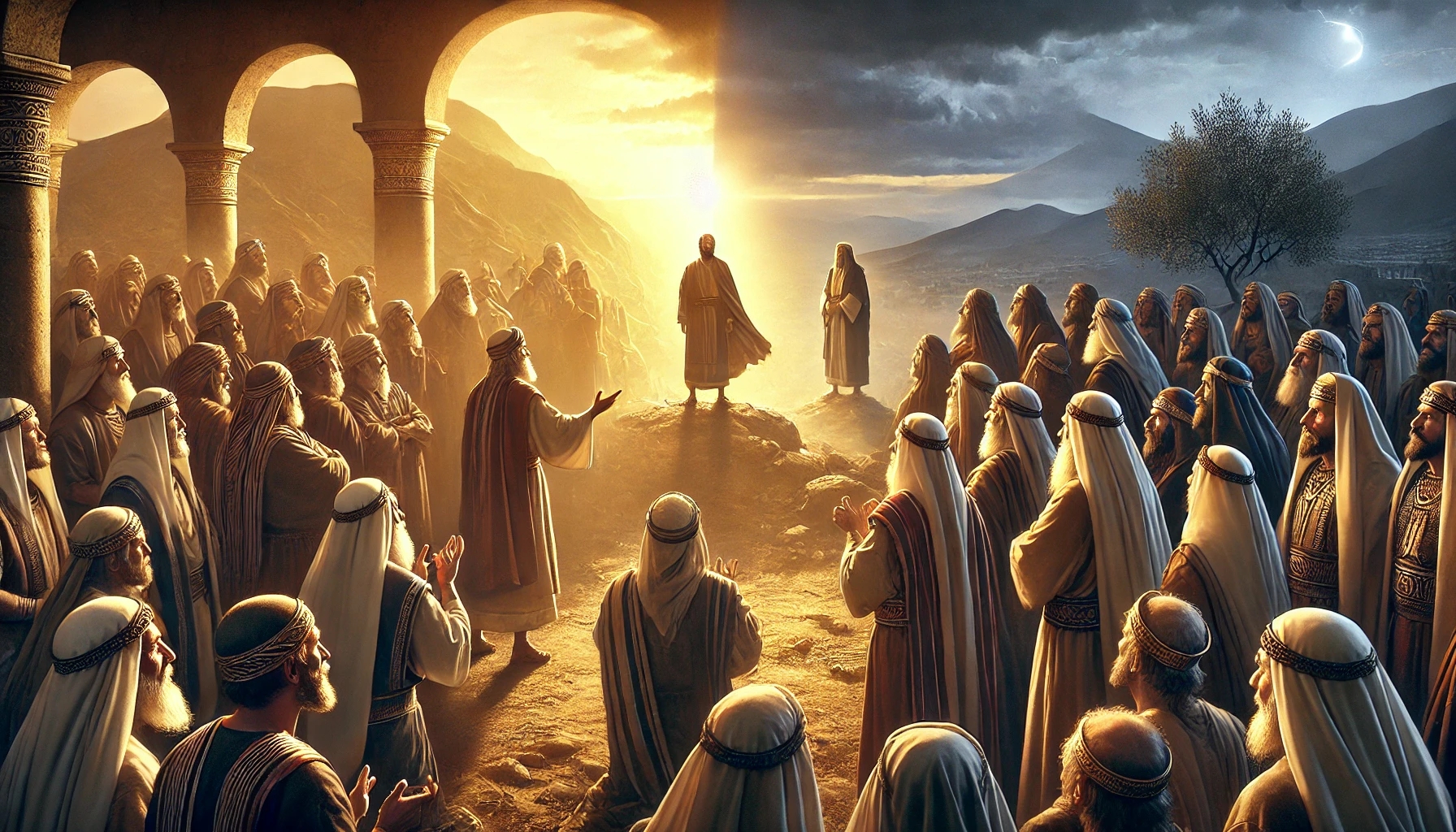
The elders of Israel come to Ramah. Their words sound reasonable at first: You are old, your sons are unfit—appoint a king over us. But behind this demand is more than concern for order. They want to be like the other nations—visible power instead of invisible leadership.
Samuel is deeply wounded—not out of hurt pride, but out of spiritual sorrow. He withdraws and prays. God’s answer is clear and painful: They have not rejected you, but Me.
What happens here is not merely a political shift, but a spiritual break. Israel rejects God as King.
Still, God allows the people their will—but not without warning. Samuel describes in vivid detail what a king will mean:
He will draft sons into military service, force daughters into his service, take property, seize fields, demand taxes. Freedom will be traded for security. In the end, Samuel says, the people will cry out—and God will be silent.
But the warning falls on deaf ears. The people persist in their demand. We want a king, they say, to go before us and fight our battles.
They want leadership—but not from God.
Samuel brings everything before the Lord again, and God permits it. Not because it is good—but because people sometimes learn only through experience. Samuel sends the people away. A king will come. And with him begins a new chapter filled with tension, blessing, and pain.
══════════════════════════
🟢 Summary
-
Samuel’s sons fail in their role as judges.
-
The people demand a king “like everyone else.”
-
God sees this as a rejection of His kingship.
-
Samuel warns urgently about the consequences of human power.
-
Despite the warning, the people persist in their desire.
══════════════════════════
📢 Message for us today
We too often face the choice: Do we trust God’s guidance—or do we chase visible securities?
A “king” can be many things: control, influence, financial safety, approval. But what promises security can cost freedom.
God does not force Himself on us. He warns, speaks, calls—and yet He allows decisions. This chapter shows: Not everything we desperately want is good for us. And still, God continues to walk with us even then.
══════════════════════════
💬 Reflection prompt
🤔 Where do I crave human control instead of God’s guidance?
🤔 In which areas of my life do I say, “I want to be like the others”?
👑 Is God still King to me—or only an adviser alongside my own decisions?
🙏 The true King of Israel remains the same—even when people push Him aside. The question is: May He rule over my heart today?
~~~~~ 👑 ~~~~~
📆 14 – 17 December 2025
📚 BELIEVE HIS PROPHETS
📖 Weekly Reading – Spirit of Prophecy
📘 Ellen White | Patriarchs and Prophets – Chapter 49
🔥 The Last Words of Joshua | A Covenant for Life — Joshua’s final call to faithfulness
🌐 Read online here
📘 Blog 3
Faithful – Despite All Weakness
Why God takes our promises seriously – even when we often fail
🔵 Introduction
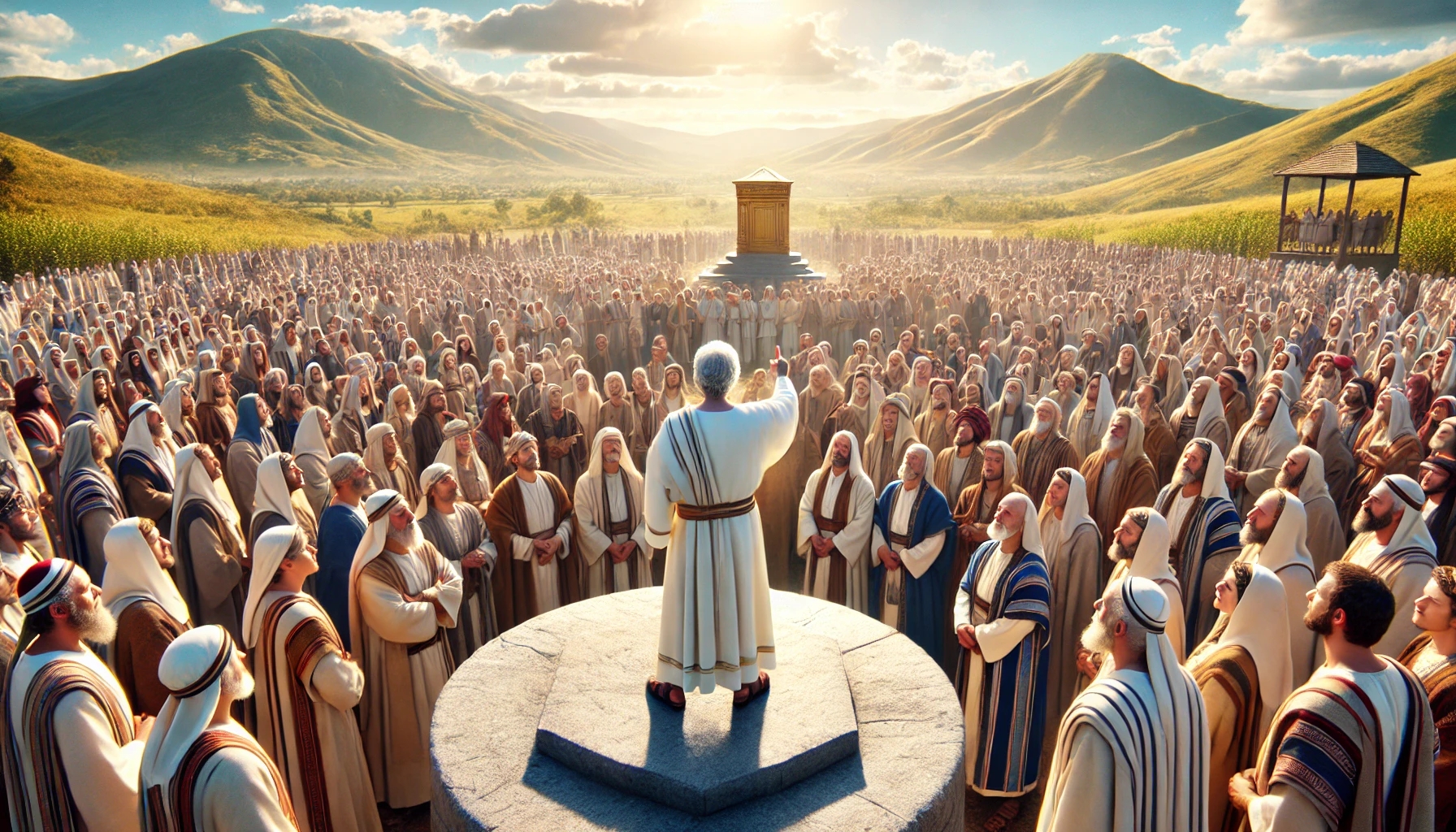
The people commit themselves to the Lord. But Joshua warns them: “You cannot serve the Lord.” Why? Because true faith requires more than good intentions.
══════════════════════════
🟡 Commentary
Joshua sees deeper than the people’s confession. They say, “We want to serve the Lord.” But he asks: Do you know what that really means?
Faithfulness is more than words. Joshua recognizes that many want to serve God—but rely on their own strength to do so. They believe they can “manage it.” Yet Joshua makes it clear: anyone who trusts in themselves will fail.
This message is not harsh, but honest. It prepares the way for the gospel: Only through faith in the coming Redeemer is there forgiveness and strength for faithfulness. The people must understand that by their own power they can never live up to God’s standard.
Joshua does not want superficial promises. He wants the people to stop trying to save themselves—and to begin relying on God’s grace.
══════════════════════════
🟢 Summary
Joshua confronts the people with their own weakness—not to discourage them, but to lead them into true dependence on God.
══════════════════════════
📢 Message for Us Today
God does not demand perfection—but humility. Those who recognize that they can do nothing without Christ are ready to live in genuine faithfulness.
══════════════════════════
💬 Reflection
Where are you still relying on your own strength in your life of faith? How could you trust more deeply in God’s grace today?