


📅 March 14, 2026
📚 BELIEVE HIS PROPHETS
📖 Daily Bible Reading
🏚️ 2 Kings 19 – Prayer in Distress – When Trust Becomes Deliverance
✨ How King Hezekiah seeks God’s help in the face of overwhelming threat.
🌐 Read online here
📍 Introduction
Chapter 19 continues the dramatic situation from the previous chapter. Jerusalem is threatened by the Assyrian world empire, and humanly speaking the situation seems hopeless. Yet instead of letting fear control him, King Hezekiah turns to God. The story shows the power of prayer and how God’s answer opens paths that no one could have expected.
⋯⋯⋯⋯⋯⋯⋯⋯⋯⋯◆⋯⋯⋯⋯⋯⋯⋯⋯⋯⋯
🧵 Commentary
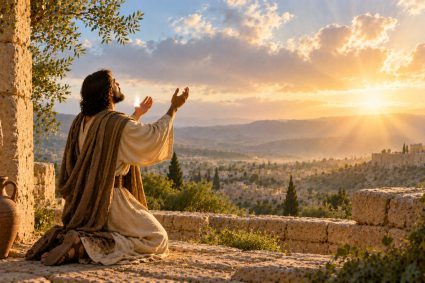
When Hezekiah hears the words of the Assyrian commander, he does not respond with military resistance but with humility. He tears his clothes, puts on sackcloth, and goes to the house of the Lord. This reaction reveals his inner attitude: he recognizes that the crisis is greater than human possibilities.
He sends messengers to the prophet Isaiah and asks for intercession. The message describes the situation like childbirth without the strength to bring it to completion—an image of deep helplessness. Isaiah responds with a promise from God: the Assyrian king will not triumph; a rumor will lead him back, and he will fall in his own land.
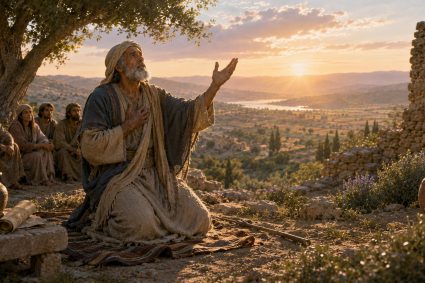
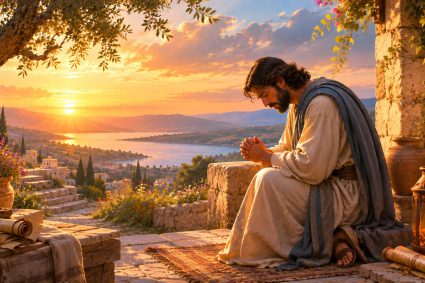
Yet the danger is not over. Assyria sends another message full of threats. The tone is mocking and defiant: no god has ever been able to rescue a nation. Hezekiah takes the letter, goes to the temple, and spreads it out before God. This quiet scene is one of the most powerful moments in the chapter—a king literally laying his fear before God.
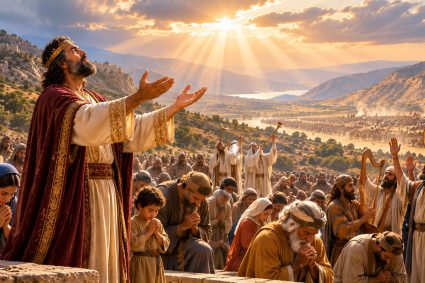
In prayer, Hezekiah acknowledges God’s greatness. He does not ask only for his own rescue, but that all nations may recognize that the Lord alone is God. It is not only about survival, but about God’s honor.
Isaiah sends another message. God has heard the mocking words of Assyria and announces that Sennacherib will not capture Jerusalem. Not a single arrow will be shot into the city. The deliverance will not come through human strength, but through God’s own intervention.
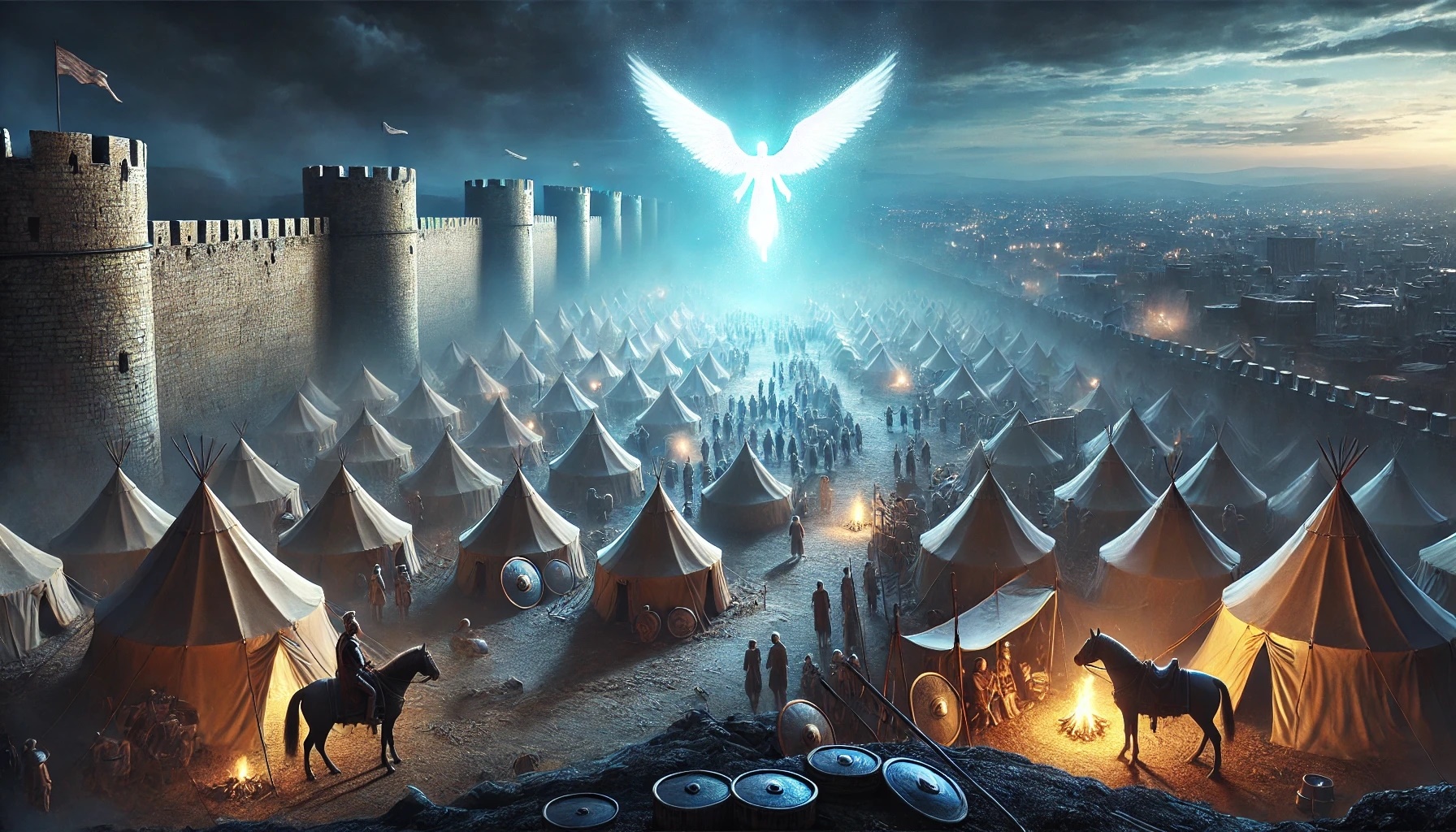
During the night the unexpected happens: an angel of the Lord strikes the Assyrian camp, and a large part of the army dies. In the morning the survivors face an unimaginable reality. Sennacherib withdraws and returns to Nineveh. Later he is killed there by his own sons—exactly as foretold.
The chapter ends in deep calm. The city that was close to destruction has been saved without a great battle.
⋯⋯⋯⋯⋯⋯⋯⋯⋯⋯◆⋯⋯⋯⋯⋯⋯⋯⋯⋯⋯
🧺 Summary
2 Kings 19 tells how Hezekiah seeks God in prayer in the face of the Assyrian threat. Through the prophet Isaiah, God promises deliverance, and in one night the Assyrian army is destroyed. Jerusalem is spared, and the Assyrian king withdraws.
⋯⋯⋯⋯⋯⋯⋯⋯⋯⋯◆⋯⋯⋯⋯⋯⋯⋯⋯⋯⋯
🔦 Message for us today
This chapter shows that prayer is not a last emergency solution, but an active expression of trust. Hezekiah openly brings his fear before God and finds guidance there. The story reminds us that God’s possibilities are greater than the threats we can see.
It also invites us to distinguish between the noise of external voices and the quiet confidence of trust.
⋯⋯⋯⋯⋯⋯⋯⋯⋯⋯◆⋯⋯⋯⋯⋯⋯⋯⋯⋯⋯
📝 Reflection
What would change if I consciously spread my worries before God—just as Hezekiah spread the letter before Him?
And where do I need the courage to value God’s greatness higher than my fear?
════════ ✶ ✶ ════════

📆 March 12 – 14, 2026
📚 BELIEVE HIS PROPHETS
📖 Weekly Reading from the Spirit of Prophecy
📘 Ellen White | Patriarchs and Prophets
🔥 Chapter 67 : Ancient and Modern Sorcery
✨ The old deception in a new form
🌐 Read online here
📘 Blog 3: 🔥 The Final Deception
Why the Bible warns about spiritualism
📍 Introduction
The Bible gives special warnings for the last days about spiritualistic deceptions. They will appear convincing—and will deceive many people.
⋯⋯⋯⋯⋯⋯⋯⋯⋯⋯◆⋯⋯⋯⋯⋯⋯⋯⋯⋯⋯
🧵 Commentary
The world changes, but one thing remains the same: the human desire to know the future.
Many people fear the unknown. They want to know what will happen tomorrow. This is exactly where Satan’s strategy begins.
He offers apparent answers.
Fortune-tellers, mediums, and spiritualistic teachings promise insight into hidden things. Sometimes their predictions even seem to come true.
But this is because Satan understands human nature very well. Through experience he can estimate developments and predict events.
In this way trust is created.
Yet behind this apparent knowledge stands a dangerous deception. Spiritualistic teachings often question fundamental truths of the Bible. Very often the divinity of Christ is denied or the reality of sin and judgment is weakened.
If there is no death, no guilt, and no judgment—then there is no responsibility.
Moral boundaries disappear.
That is why the Bible repeatedly calls for watchfulness. God has given His people light—through His Word. Whoever follows this light does not need secret revelations.
The true path is not found in seeking hidden things.
It is found in trusting God.
⋯⋯⋯⋯⋯⋯⋯⋯⋯⋯◆⋯⋯⋯⋯⋯⋯⋯⋯⋯⋯
🧺 Summary
Spiritualism tries to deceive people with supposed knowledge about the future and death. The Bible warns against it and points to God’s Word as the safe guide.
⋯⋯⋯⋯⋯⋯⋯⋯⋯⋯◆⋯⋯⋯⋯⋯⋯⋯⋯⋯⋯
🔦 Message for us today
God’s Word gives us enough light for our path. We do not need secret revelations.
⋯⋯⋯⋯⋯⋯⋯⋯⋯⋯◆⋯⋯⋯⋯⋯⋯⋯⋯⋯⋯
📝 Reflection
Do I trust that God will show me everything I truly need to know?