

📜BELIEVE HIS PROPHETS | 01.01.2026 | 👑1 Samuel 24 – Grace in the Cave
📅 1 January 2026
📚 BELIEVE HIS PROPHETS
📖 Daily Bible Reading
🕊️ 1 Samuel 24 – Grace in the Cave
✨ When power is possible — but mercy wins
🌐 Read online here
📍 Introduction
1 Samuel 24 brings us to one of the quietest—and at the same time deepest—turning points in David’s story. In a dark cave at En-Gedi, pursuer and pursued meet—without realizing it at first. What happens here is not a battle with swords, but a battle of the heart. David faces the greatest temptation of his time on the run: to end evil with what seems like justified “good reason.” But he chooses differently—and reveals what true reverence for God means.
⋯⋯⋯⋯⋯⋯⋯⋯⋯⋯◆⋯⋯⋯⋯⋯⋯⋯⋯⋯⋯
🧵 Commentary
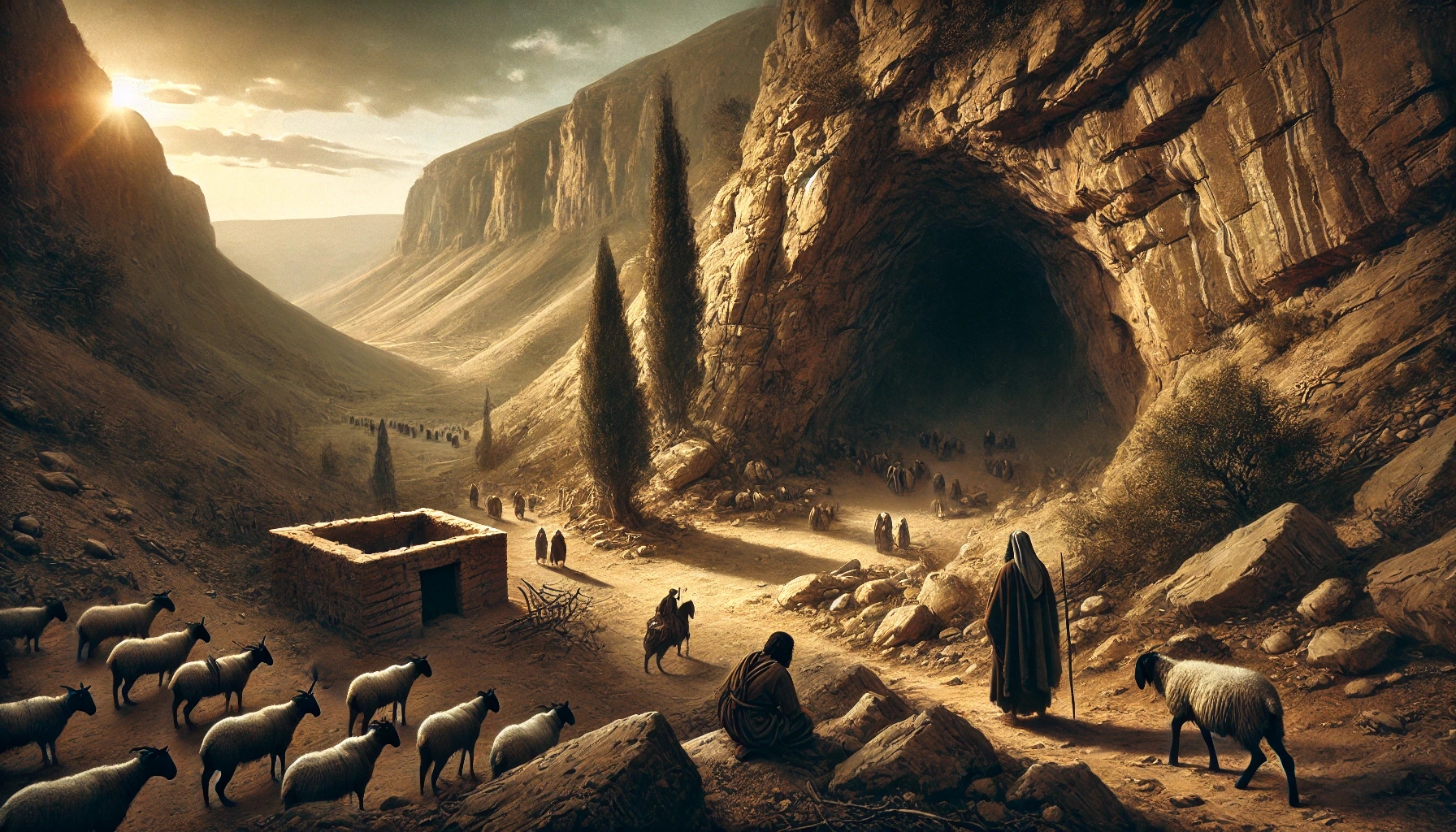
David is hiding with his men in the rocky heights of En-Gedi—an inhospitable place: steep, dry, full of caves. Saul has just returned from a campaign and hears that David is here. Determined, he gathers three thousand chosen warriors and sets out to capture David once and for all.
On the way, Saul enters a cave to relieve himself. What he doesn’t know: David and his men are sitting deep inside that very cave—hidden in the darkness, concealed in the shadows. For David’s men, the situation is clear. Now is the moment. Now God’s word is being fulfilled. Now the enemy lies defenseless. One thrust—and it would all be over. No more running. No more bloodshed. No more life in a cave.
David creeps forward. Quietly. Carefully. The knife flashes—but no deadly blow falls. Instead, David only cuts off a corner of Saul’s robe. A tiny act—and yet David’s heart immediately strikes him. His conscience speaks up. Not because of murder, but because of disrespect. He has touched the Lord’s anointed—even if only symbolically.
David restrains his men. He forbids them to attack Saul. Saul leaves the cave, unaware.
Only then does David step out. He calls after Saul, addresses him as “my lord the king,” bows deeply, and speaks calmly and clearly, without bitterness. He explains what happened. He shows the torn piece. A silent testimony: I could have killed you — but I did not.
David leaves judgment to God. He renounces revenge. He refuses to speed up his calling through violence. His words are humble, yet firm: My hand will not be against you.
And then something happens that no one expected. Saul breaks down. The king who has been hunting David for chapters weeps. He recognizes the truth. He confesses his wrong. He says aloud what he has long known deep inside: David is more righteous. David will become king.
Saul asks David for one thing: that he spare his household when he becomes king. David swears it. Then their paths part. Saul goes home. David remains in the heights. The conflict is not finally resolved—but for a moment, grace has prevailed.
⋯⋯⋯⋯⋯⋯⋯⋯⋯⋯◆⋯⋯⋯⋯⋯⋯⋯⋯⋯⋯
🧺 Summary
Saul pursues David all the way to En-Gedi and unknowingly enters the very cave where David is hiding. David has the opportunity to kill Saul, but spares him and only cuts off a corner of his robe. Deeply moved by his conscience and out of reverence for God, David leaves judgment to the Lord. Saul recognizes David’s righteousness, confesses his wrongdoing, and affirms David’s future kingship.
⋯⋯⋯⋯⋯⋯⋯⋯⋯⋯◆⋯⋯⋯⋯⋯⋯⋯⋯⋯⋯
🔦 Message for Us Today
This chapter teaches that spiritual maturity is not shown in what we are allowed to do, but in what we choose to give up. David would have had “good reasons” to kill Saul. But he chooses God’s timing over human logic.
Grace is stronger than revenge. Trust is stronger than fear. Whoever truly trusts God doesn’t need to justify themselves or force outcomes. God sees—and God judges.
Sometimes God places us in a “cave” where we show whom we really serve: our own advantage—or His will.
⋯⋯⋯⋯⋯⋯⋯⋯⋯⋯◆⋯⋯⋯⋯⋯⋯⋯⋯⋯⋯
📝 Reflection
-
Where do you currently have power or “the right” on your side—and feel tempted to use it?
-
Can you trust God to lead your life without you having to “help things along”?
-
How do you treat people who wrong you but still hold a position given by God?
-
What does your conscience say—even in seemingly small decisions?
══════════ ✶ ✶ ══════════
📆 28 December 2025 – 3 January 2026
📚 BELIEVE HIS PROPHETS
📖 Weekly Reading from the Spirit of Prophecy
📘 Ellen White | Patriarchs and Prophets
🔥 Ch. 53: The Later Judges
✨ Festivals of remembrance and hope — how God strengthened His people through seasons of worship
🌐 Read online here
🔵 Blog 5
🕊️ Strength is shown in gentleness
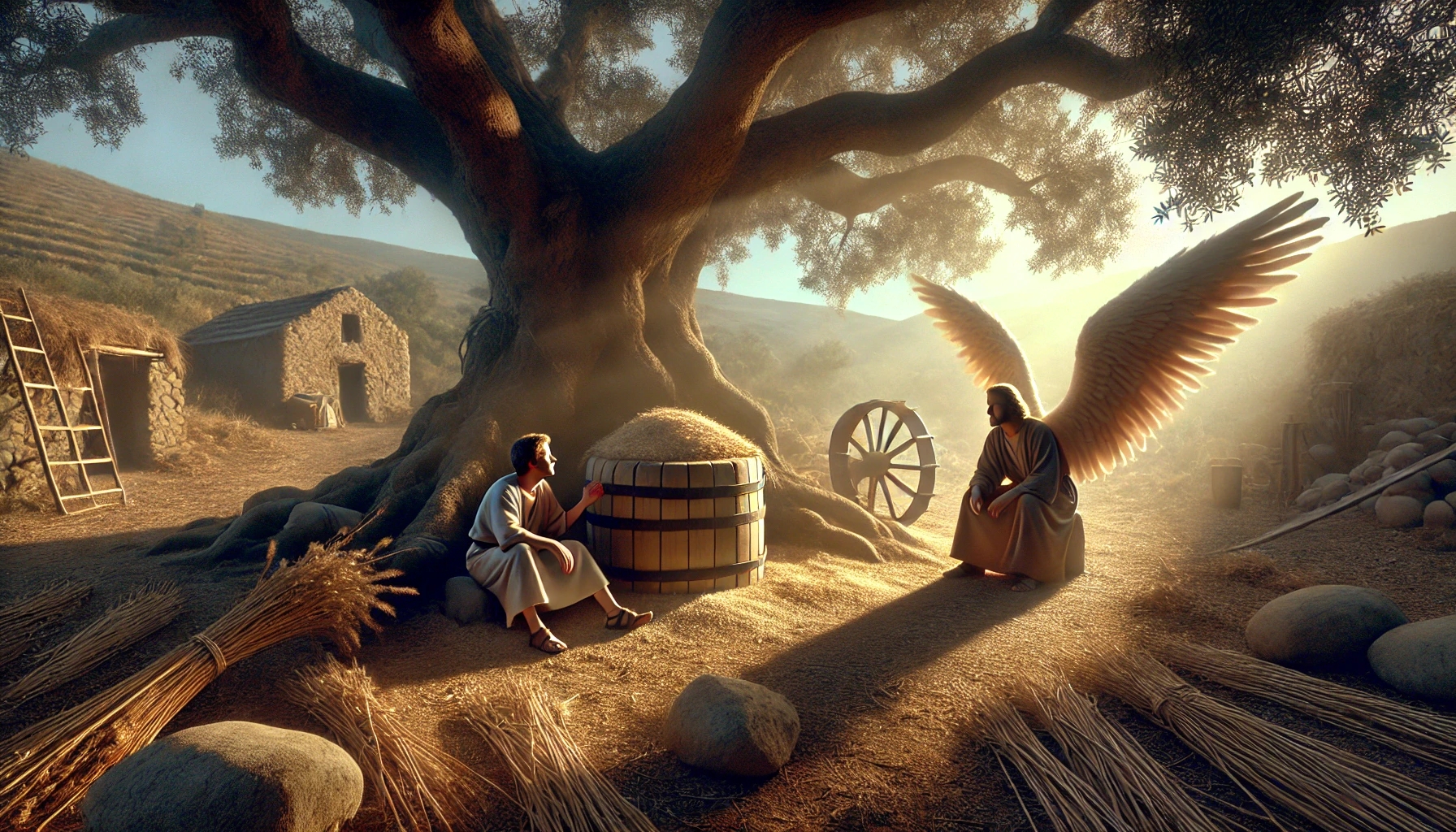
Gideon and the conflict with Ephraim
📍 Introduction
After great successes often comes the greatest test—how we handle pride and envy.
After the mighty victory over the Midianites, Gideon would have had every reason to present himself as a celebrated hero, to demand honor, or even to claim political power. But how did he respond? Not with pride, not with abuse of power, but with humility, gentleness, and wise restraint. It is this attitude after the victory that places Gideon’s character in a special light—and gives us a strong example.
⋯⋯⋯⋯⋯⋯⋯⋯⋯⋯◆⋯⋯⋯⋯⋯⋯⋯⋯⋯⋯
🧵 Commentary
The sun had just risen over the hills of Canaan when Gideon, exhausted, dust-covered, and out of supplies, returned home. His 300 men were tired, but they had made history. 120,000 enemies lay defeated, and the terror of the Midianites was broken—through jars, torches, trumpets, and the faith of a man who considered himself the least.
But victory also brought tension. The tribe of Ephraim, which joined the fight only later, was now offended that it had not been called first. Their words could easily have led to division and conflict. Yet Gideon, full of inner wisdom, met the criticism not with self-defense, but with a calm, appreciative reply: “What have I done compared with you? Is not the gleaning of Ephraim better than the whole harvest of Abiezer?”
He calmed the situation with gentleness—not out of weakness, but out of strength. He knew the unity of the people mattered more than personal fame. The true hero is the one who preserves peace after the victory.
Later, when people wanted to make him king, he resisted the temptation: “I will not rule over you—the LORD will rule over you.” In a time when leaders gladly accepted crowns, Gideon stood firm. He sought no crown, only God’s approval.
Still, Gideon was not free from mistakes. Out of gratitude he had an ephod made—likely with genuine intent to honor worship. But the people turned it into idolatry. The tragedy: the man who tore down Baal’s altars later became, unintentionally, the cause of a new spiritual stumbling block. Gentleness does not mean infallibility—but it shows itself in a heart that listens more to God than to its own ego.
⋯⋯⋯⋯⋯⋯⋯⋯⋯⋯◆⋯⋯⋯⋯⋯⋯⋯⋯⋯⋯
🧺 Summary
Gideon shows us that true character is revealed not in the victory itself, but in how we act after the victory. He answered criticism with wisdom, resisted the pull of power, and sought God’s honor rather than his own advantage. Even though he made mistakes, his heart remained fundamentally humble and willing to be led.
⋯⋯⋯⋯⋯⋯⋯⋯⋯⋯◆⋯⋯⋯⋯⋯⋯⋯⋯⋯⋯
🔦 Message for Us Today
In a world where many chase recognition, likes, titles, and visibility, Gideon’s example calls us to a different path: gentleness.
Whether in conflict, in success, in spiritual victories, or in leadership positions—gentleness guards against pride, strengthens unity, and keeps us receptive to God’s voice.
How often do people forget after a “victory” that it was God’s grace that helped them? How easily pride rises after success? Gideon invites us to remain humble—especially when it is hardest: after the victory.
⋯⋯⋯⋯⋯⋯⋯⋯⋯⋯◆⋯⋯⋯⋯⋯⋯⋯⋯⋯⋯
📝 Reflection
How do I deal with praise and success?
Am I gentle enough to respond to uncomfortable criticism with wisdom?
And when God grants me victory—am I willing to give Him the glory?
“The gentle person is not the weak one, but the strong one who has learned to master himself.”
⋯⋯⋯⋯⋯⋯⋯⋯⋯⋯◆⋯⋯⋯⋯⋯⋯⋯⋯⋯⋯

More Stories