Chapter 8 of 2 Kings connects personal stories with major political changes. While individuals experience God’s care, power structures between kings and nations shift at the same time. The narrative shows that God’s work becomes visible both in private life and on the great stage of history — often simultaneously and in surprising ways.
⋯⋯⋯⋯⋯⋯⋯⋯⋯⋯◆⋯⋯⋯⋯⋯⋯⋯⋯⋯⋯
🧵 Commentary
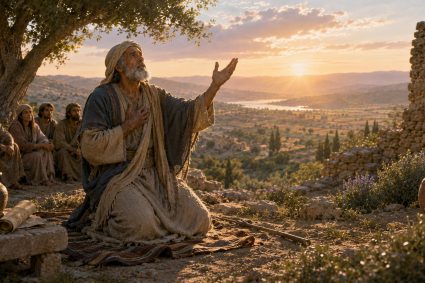
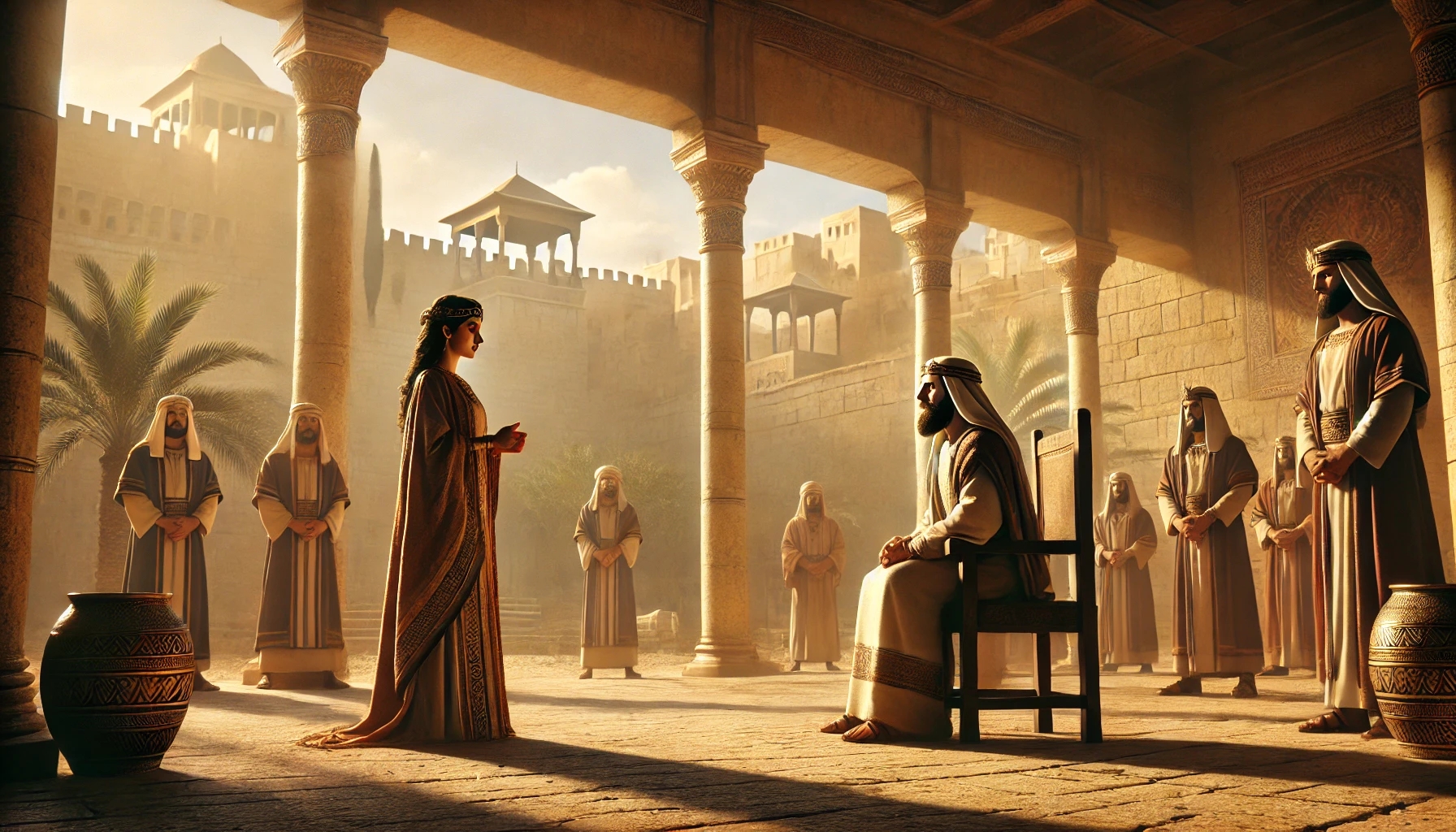
The story begins with the woman from Shunem whose son Elisha had once brought back to life. Elisha warns her of a coming seven-year famine and advises her to leave the land. In obedience, she moves with her family to the territory of the Philistines. Years later, she returns and finds her property lost. In her distress, she turns to the king of Israel to reclaim her land.
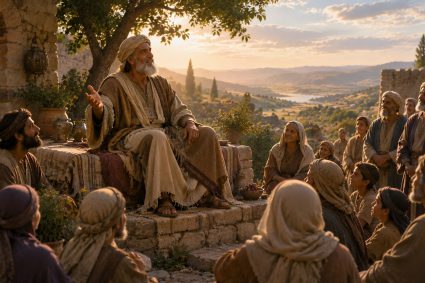
At that very moment, Gehazi, the former servant of Elisha, is telling the king about the prophet’s miracles. While he is speaking, the woman herself enters. The timing seems almost like a hidden sign: God’s guidance connects events in ways no one could plan. The king hears her story and orders that all her property, including its income, be restored to her. A personal story of restoration stands at the beginning of the chapter.
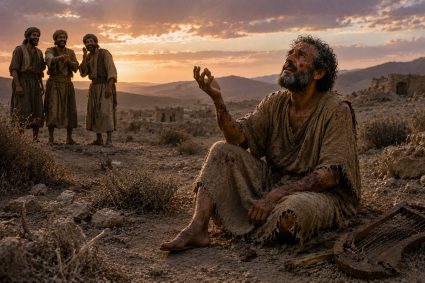
Then the focus shifts to Damascus. The Aramean king Ben-Hadad is sick and sends his servant Hazael to Elisha to ask whether he will recover. Elisha answers mysteriously: the king could recover, yet he will surely die. As he looks at Hazael, Elisha begins to weep. When asked why, he explains that Hazael will bring great harm upon Israel — cities will be destroyed and people will suffer. Hazael is surprised and considers himself insignificant. Yet it soon becomes clear that he is capable of more than he imagined. He returns, suffocates the sick king, and takes the throne himself.
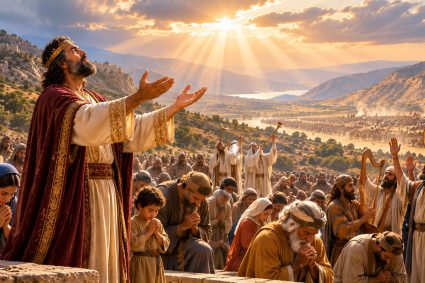
The chapter then describes the reign of Joram in Judah. Although he comes from the line of David, he follows the bad example of the house of Ahab, partly because he married into that family. Political alliances influence the spiritual condition of the people. Yet God does not completely reject Judah — for David’s sake, a remnant of stability remains.
After Joram, this development continues: Ahaziah, his son, becomes king and acts similarly. The section ends with political tensions and the beginning of new conflicts.
Overall, the impression is one of great transition. People change, kings come and go, yet God’s word and His plans continue.
⋯⋯⋯⋯⋯⋯⋯⋯⋯⋯◆⋯⋯⋯⋯⋯⋯⋯⋯⋯⋯
🧺 Summary
2 Kings 8 describes the restoration of the Shunammite woman after the famine, the announcement of Hazael’s rise as king of Aram, and the changes of leadership in Judah, where spiritual misjudgments continue to play a role.
⋯⋯⋯⋯⋯⋯⋯⋯⋯⋯◆⋯⋯⋯⋯⋯⋯⋯⋯⋯⋯
🔦 Message for us today
The chapter shows that God works both in small personal matters and in great historical events. While political developments often appear chaotic, God is not absent. At the same time, the story reminds us how important influences and decisions are — relationships and alliances can strongly shape our spiritual direction.
It also becomes clear: God often sees developments long before they become visible. His perspective reaches beyond the present moment.
⋯⋯⋯⋯⋯⋯⋯⋯⋯⋯◆⋯⋯⋯⋯⋯⋯⋯⋯⋯⋯
📝 Reflection
Where do I see only isolated events in my life, while God may be writing a much bigger story?
And which influences shape my decisions — do they lead me closer to God or away from Him?
════════ ✶ ✶ ════════

📆 March 1–7, 2026
📚 BELIEVE HIS PROPHETS
📖 Weekly Reading from the Spirit of Prophecy
📘 Ellen White | Patriarchs and Prophets
🔥 Chapter 65 : The Magnanimity of David
✨ Grace Instead of Revenge
🌐 Read online here
📘 Blog 3: 🏞️ Magnanimity in the Cave
David Spares Saul
📍 Introduction
A sleeping king. A pursued anointed one. A once-in-a-lifetime opportunity. And a decision that writes history.
⋯⋯⋯⋯⋯⋯⋯⋯⋯⋯◆⋯⋯⋯⋯⋯⋯⋯⋯⋯⋯
🧵 Commentary
In the cave of En-Gedi, God’s providence seems obvious: Saul enters alone — directly into David’s hiding place.
The men whisper, “This is the day!”
But David listens to another voice — the voice of conscience.
He cuts off only the corner of Saul’s robe. Even that troubles him. Not because it was dangerous, but because he had touched the garment of the Lord’s anointed.
When Saul goes out, David steps forward. No accusation, no triumph. Only humility. He bows before the man who wants to kill him.
Saul weeps. He acknowledges David’s righteousness. Yet David remains cautious. He knows the instability of a heart not fully surrendered to God.
⋯⋯⋯⋯⋯⋯⋯⋯⋯⋯◆⋯⋯⋯⋯⋯⋯⋯⋯⋯⋯
🧺 Summary
David refrains from revenge and leaves judgment to God.
⋯⋯⋯⋯⋯⋯⋯⋯⋯⋯◆⋯⋯⋯⋯⋯⋯⋯⋯⋯⋯
🔦 Message for us today
A divine calling never justifies taking revenge into our own hands.
⋯⋯⋯⋯⋯⋯⋯⋯⋯⋯◆⋯⋯⋯⋯⋯⋯⋯⋯⋯⋯
📝 Reflection
Where could I leave judgment to God instead of taking action myself?