The last chapter of the second book of Kings describes the lowest point in the history of Judah. Jerusalem falls, the temple is destroyed, and the people are taken into exile. Everything that had been built over generations seems to come to an end. Yet right at the close of the book, a small glimmer of hope appears, showing that God’s story does not end with ruins.
⋯⋯⋯⋯⋯⋯⋯⋯⋯⋯◆⋯⋯⋯⋯⋯⋯⋯⋯⋯⋯
🧵 Commentary
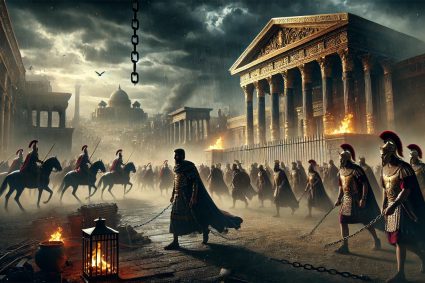
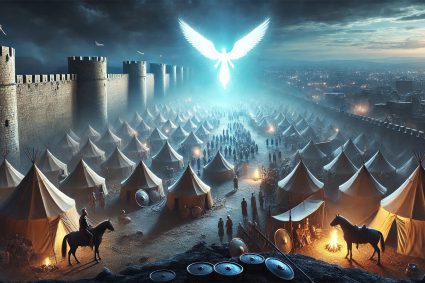
The events begin with another rebellion against Babylon. King Zedekiah resists Nebuchadnezzar, and Jerusalem is besieged. The siege drags on for a long time until hunger and exhaustion wear down the city. The walls, once symbols of security, cannot prevent the collapse.
Eventually, a breach is made. During the night, Zedekiah tries to flee with his soldiers, but they are overtaken. The king is captured, his sons are killed before his eyes, then he is blinded and taken to Babylon. The scene is devastating and marks the end of Judah’s political independence.
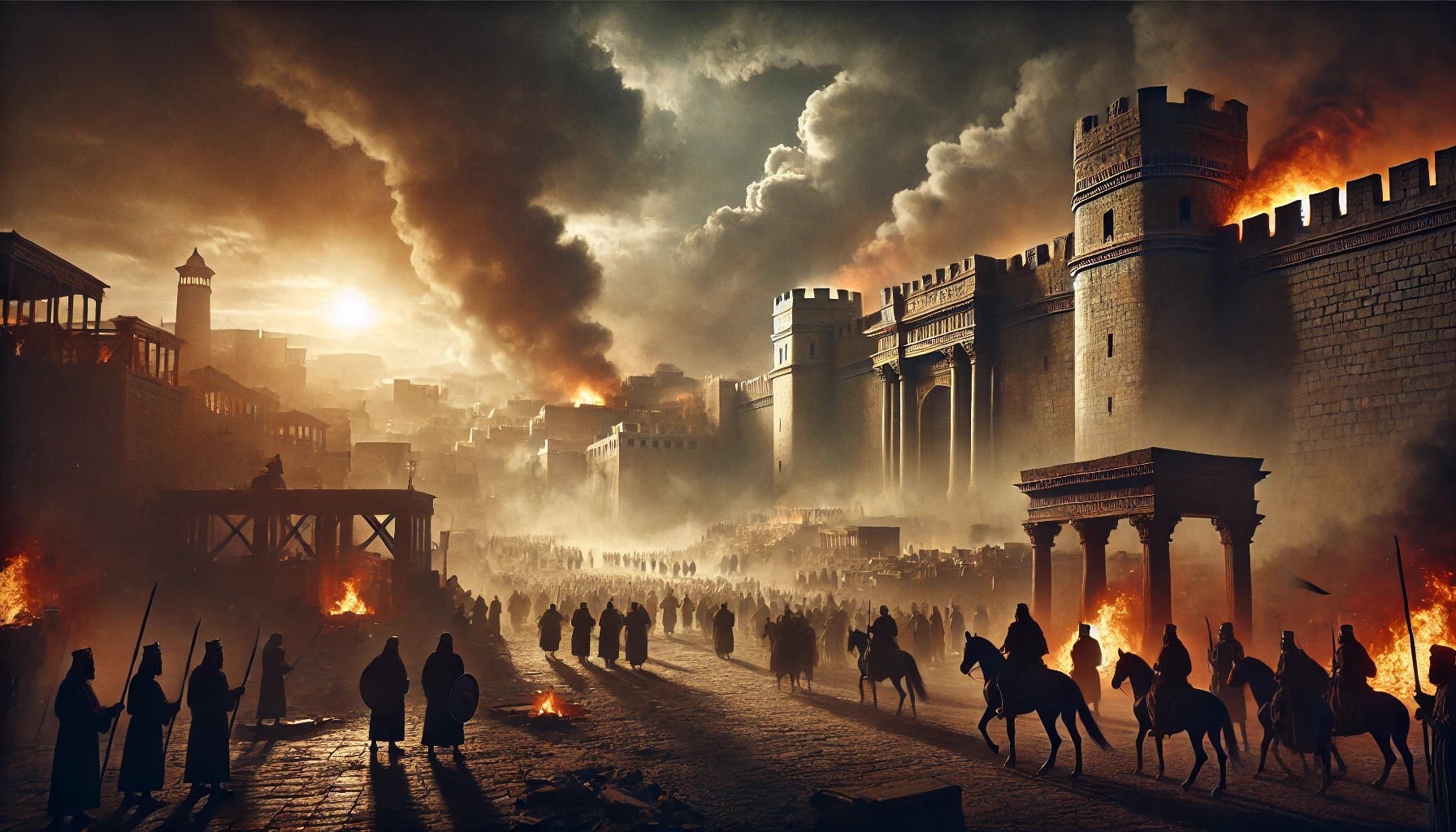
Shortly afterward, the Babylonian commander Nebuzaradan arrives. The temple, the heart of religious life, is burned down. The royal palace and many houses in Jerusalem are also destroyed by fire. Valuable items are carried away, and the city walls are torn down. The visible signs of identity and faith disappear.
Part of the population is deported. Only some of the poorest people remain to work the land. Gedaliah is appointed governor, but this fragile order does not last long. He is murdered, and out of fear many flee to Egypt. The scattering of the people seems complete.
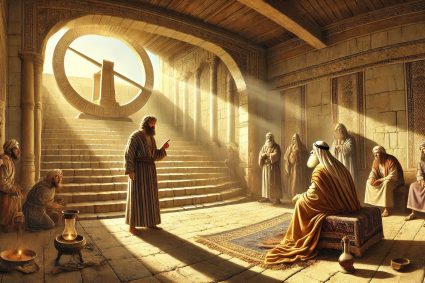
But the book does not end in this darkness. Years later, something unexpected happens: Jehoiachin, the former king of Judah, is released from prison. The king of Babylon treats him kindly, gives him a place of honor, and provides for him continually. It is not a political new beginning, but a sign of grace—a small ray of light at the end of a long night.
The ending is intentionally left open. The story is not finished; it awaits continuation.
⋯⋯⋯⋯⋯⋯⋯⋯⋯⋯◆⋯⋯⋯⋯⋯⋯⋯⋯⋯⋯
🧺 Summary
2 Kings 25 describes the fall of Jerusalem, the destruction of the temple, and the deportation of the people to Babylon. King Zedekiah is captured, and Judah loses its independence. In the end, the captive king Jehoiachin receives grace in Babylon—a quiet glimmer of hope.
⋯⋯⋯⋯⋯⋯⋯⋯⋯⋯◆⋯⋯⋯⋯⋯⋯⋯⋯⋯⋯
🔦 Message for us today
The chapter shows that even great collapses do not have to be the final word. Loss, failure, and new beginnings can be part of a greater path. God’s faithfulness remains, even when outward securities fall apart.
It reminds us that hope often begins small and quietly—a sign of grace in the midst of difficult circumstances.
⋯⋯⋯⋯⋯⋯⋯⋯⋯⋯◆⋯⋯⋯⋯⋯⋯⋯⋯⋯⋯
📝 Reflection
Where might I be experiencing an “ending” that feels like defeat—yet could still hold a new beginning?
And how can I recognize small signs of hope, even when much remains uncertain?
════════ ✶ ✶ ════════
📆 March 18 – 21, 2026
📚 BELIEVE HIS PROPHETS
📖 Weekly Reading from the Spirit of Prophecy
📘 Ellen White | Patriarchs and Prophets
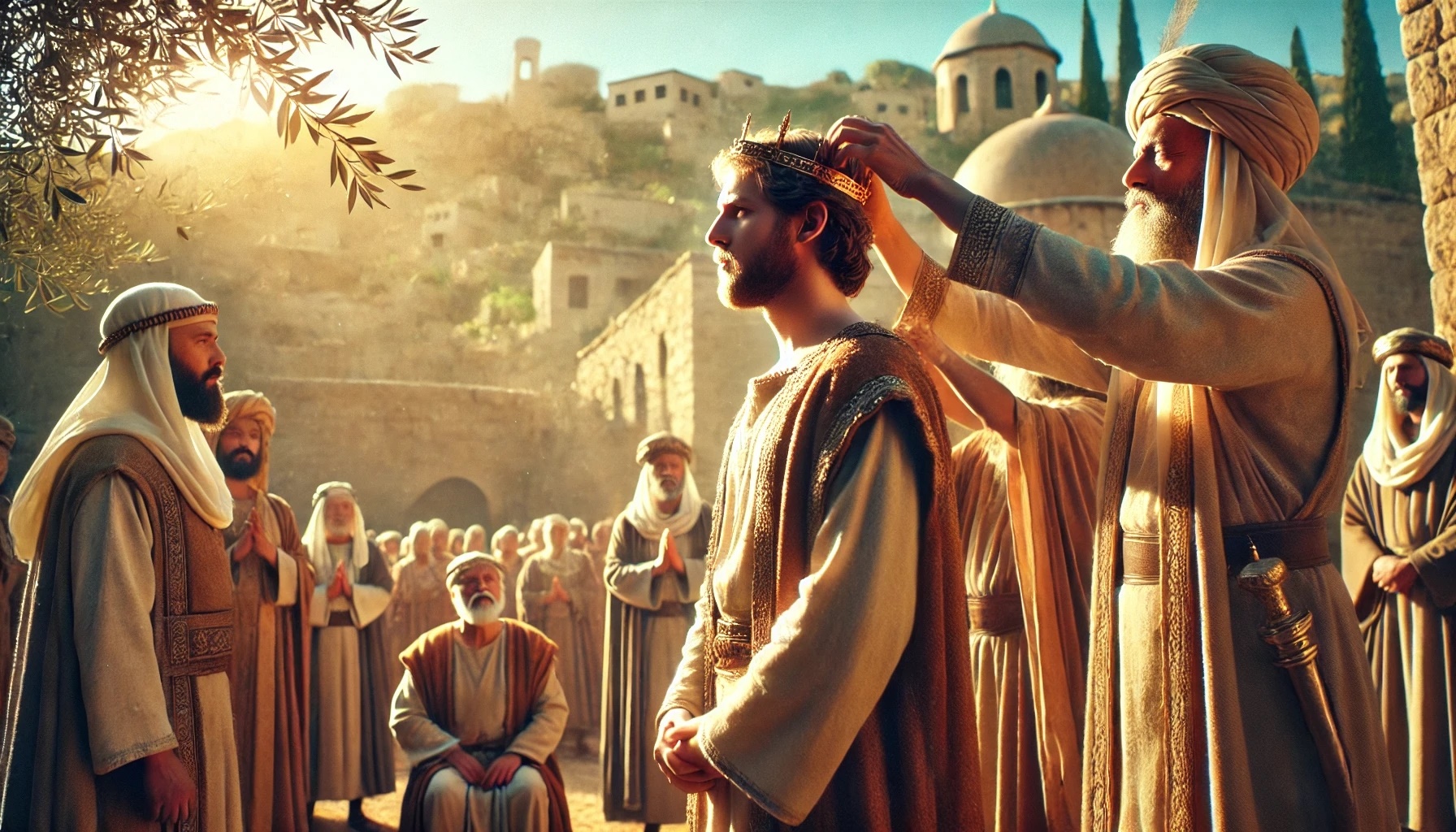
🔥 Chapter 69 : David Called to the Throne
✨ God’s timing is fulfilled – From a persecuted shepherd to the king of Israel
🌐 Read online here