
📅 10 January 2026
📚 BELIEVE HIS PROPHETS
📖 Daily Bible Reading
👑 2 Samuel 2 – Two Kings – One People
✨ David becomes king over Judah, Ish-bosheth over Israel. The brother war begins
🌐 Read online here
📍 Introduction
After mourning comes the next step—but not the easy one.
God has appointed David as king, yet the path to unity is long and painful. 2 Samuel 2 shows the transition from promise to reality: David becomes king—but only over Judah. Israel follows another king. What follows is not a holy war, but a tragic civil war.
⋯⋯⋯⋯⋯⋯⋯⋯⋯⋯◆⋯⋯⋯⋯⋯⋯⋯⋯⋯⋯
🧵 Commentary
David does nothing rashly. After everything that has happened, he first asks the LORD:
“Shall I go up?”
God’s answer is clear: “Go up—to Hebron.”
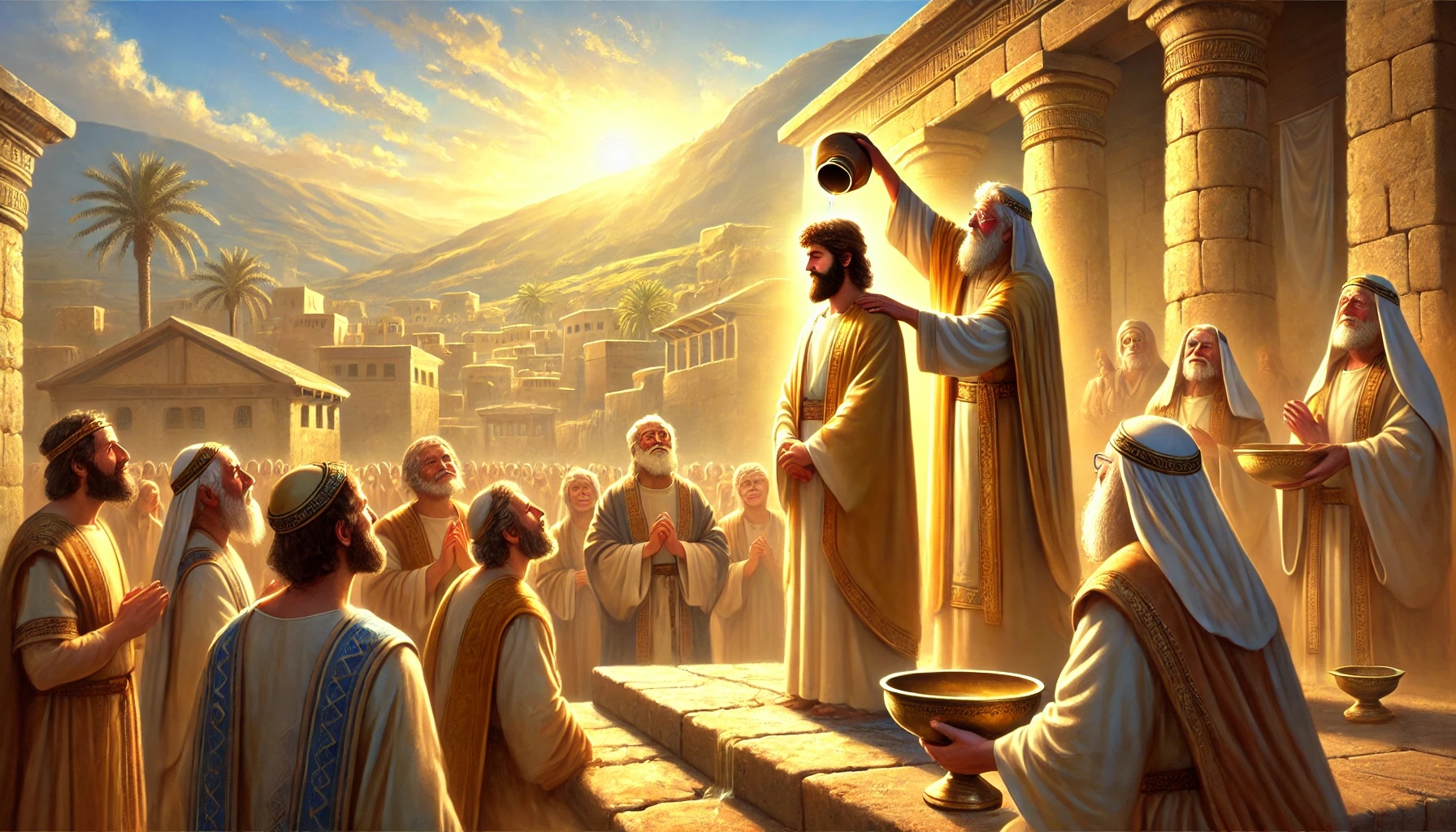
David obeys. He goes to Hebron with his wives and his men. There, what God has prepared takes place: the men of Judah anoint David as king. No coup. No bloodshed. A quiet, legitimate anointing.
But David does not think only of himself. When he hears that the men of Jabesh-gilead buried Saul, he honors them. He thanks them for their loyalty to Saul and blesses them. David’s heart is already visible: he does not build his kingdom by humiliating the past, but on respect and mercy.
While David reigns in Hebron, something else happens in the north. Abner, Saul’s army commander, installs Saul’s son Ish-bosheth as king over Israel. God does not call him—Abner does. Thus two kingdoms arise. Two kings. One people—divided.
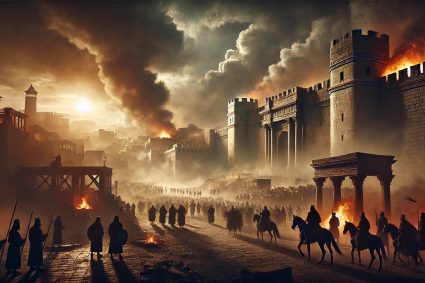
Tension erupts at the pool of Gibeon. What begins as a “game” ends in blood. Twelve against twelve—a deadly contest. The game becomes war. Rivalry turns into massacre.
Asahel, the swift brother of Joab, pursues Abner. Despite repeated warnings, he does not stop. Abner does not want to kill him—but Asahel persists. Finally, Abner strikes him with the butt of the spear. Asahel falls. Dead. And the place grows silent.
With Asahel’s death, the conflict escalates. Joab and Abishai chase Abner until sunset. Only when Abner calls out and Joab finally blows the trumpet does the fighting stop. Too late for many. Brothers have killed brothers.
In the end, only numbers remain. Dead bodies. Graves. And a dark shadow over the beginning of David’s reign.
⋯⋯⋯⋯⋯⋯⋯⋯⋯⋯◆⋯⋯⋯⋯⋯⋯⋯⋯⋯⋯
🧺 Summary
David asks God, goes to Hebron, and becomes king over Judah. Ish-bosheth is made king over Israel by Abner. Fighting breaks out between the two camps at the pool of Gibeon. Asahel pursues Abner and is killed. The conflict pauses—for now—but the civil war has begun.
⋯⋯⋯⋯⋯⋯⋯⋯⋯⋯◆⋯⋯⋯⋯⋯⋯⋯⋯⋯⋯
🔦 Message for Us Today
This chapter shows:
Not every division is God’s will—even if God ultimately reaches His goal.
-
David waits for God’s timing and does not force unity.
-
Power that does not come from God leads to violence and suffering.
-
Civil war arises where ambition becomes more important than obedience.
God fulfills His promises—but human impatience can make the path there painful.
⋯⋯⋯⋯⋯⋯⋯⋯⋯⋯◆⋯⋯⋯⋯⋯⋯⋯⋯⋯⋯
📝 Reflection
-
Where are you tempted to speed up God’s promise on your own?
-
Can you wait, even when you know God has promised you something?
-
How do you deal with conflicts among “brothers”—people from your own circle or faith?
══════════ ✶ ✶ ══════════
📆 8–10 January 2026
📚 BELIEVE HIS PROPHETS
📖 Weekly Reading from the Spirit of Prophecy
📘 Ellen G. White | Patriarchs and Prophets
🔥 Chapter 55: The Child Samuel
✨ A child for God—how faithfulness in small things leads to greatness
🌐 Read online here
📘 Blog 3
💫 The Power of a God-Devoted Character
Why true greatness often begins with unnoticed tasks
📍 Introduction
Great callings often begin in hidden places. Samuel’s life shows how faithfulness, humility, and perseverance—already in childhood—can shape a strong, God-pleasing character. It is not the title, but the attitude that counts.
⋯⋯⋯⋯⋯⋯⋯⋯⋯⋯◆⋯⋯⋯⋯⋯⋯⋯⋯⋯⋯
🧵 Commentary
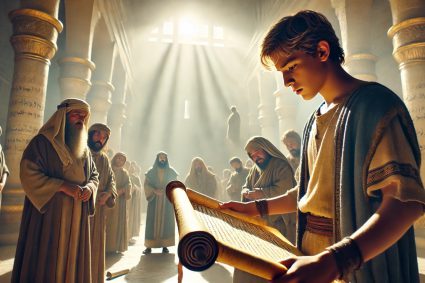
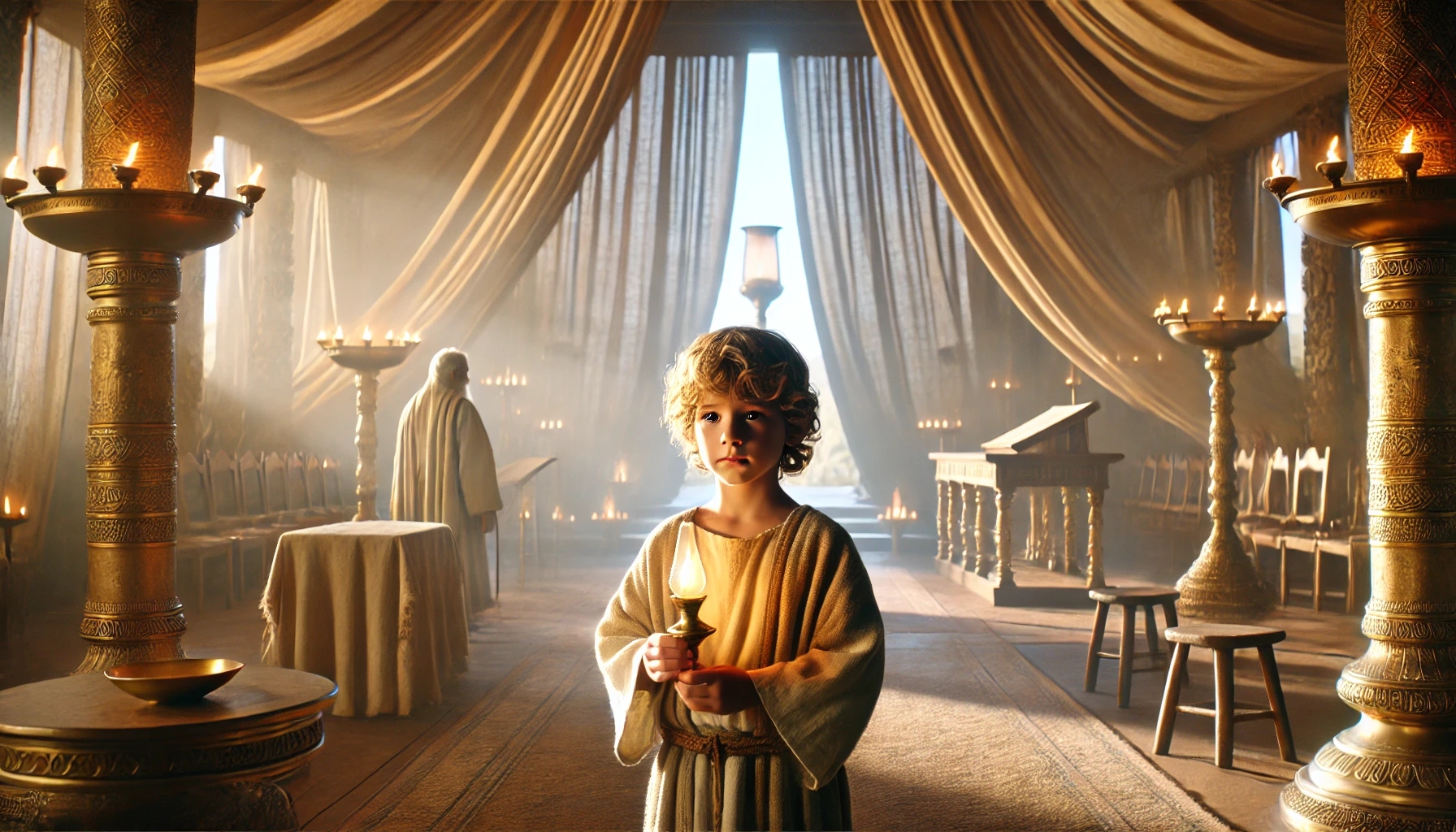
Samuel was no prodigy in a worldly sense. He had no outstanding talents that immediately stood out. But he possessed something God values deeply: a heart willing to obey.
While Eli’s sons played with responsibility and abused it, Samuel took every task—no matter how small—seriously. He understood: I am not serving Eli; I am serving God. This attitude shaped his entire life.
Because he honored God in small things, God prepared him for great responsibilities. What he learned in the sanctuary—patience, order, reverence, humility—later became the foundation of his prophetic and judicial calling. When God’s voice finally spoke to him, his heart was ready to answer: “Speak, LORD, for Your servant is listening.”
⋯⋯⋯⋯⋯⋯⋯⋯⋯⋯◆⋯⋯⋯⋯⋯⋯⋯⋯⋯⋯
🧺 Summary
-
Samuel is prepared for great service through small tasks.
-
His character grows through humility, obedience, and reverence.
-
His faith and purity remain strong despite poor role models.
-
God leads him step by step into his calling.
⋯⋯⋯⋯⋯⋯⋯⋯⋯⋯◆⋯⋯⋯⋯⋯⋯⋯⋯⋯⋯
🔦 Message for Us Today
True greatness begins with small things. God is not looking for outward appearances, but for hearts willing to follow Him faithfully—even when no one is watching. In a loud and superficial world, God uses people with quiet depth.
⋯⋯⋯⋯⋯⋯⋯⋯⋯⋯◆⋯⋯⋯⋯⋯⋯⋯⋯⋯⋯
📝 Reflection
Which small tasks in your life might you not be taking seriously enough?
Are you willing to be faithful to God even in the hidden, everyday things?
