
📅 21.November 2025
📚 BELIEVE HIS PROPHETS
📖 Daily Bible Reading
⚖️ Judges 8 – Gideon – From Hero to Warning Sign
✨ How Spiritual Decline Is Possible Even After Great Victories
📜 Bible Text – Judges 8 (KJV)
1 And the men of Ephraim said unto him, Why hast thou served us thus, that thou calledst us not, when thou wentest to fight with the Midianites? And they did chide with him sharply.
2 And he said unto them, What have I done now in comparison of you? Is not the gleaning of the grapes of Ephraim better than the vintage of Abiezer?
3 God hath delivered into your hands the princes of Midian, Oreb and Zeeb: and what was I able to do in comparison of you? Then their anger was abated toward him, when he had said that.
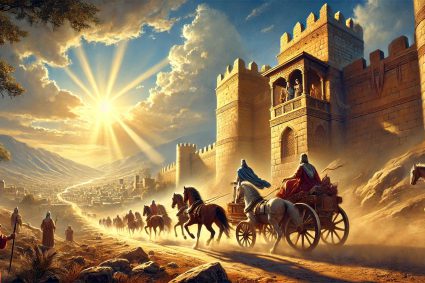
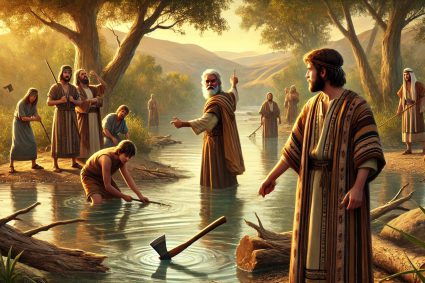
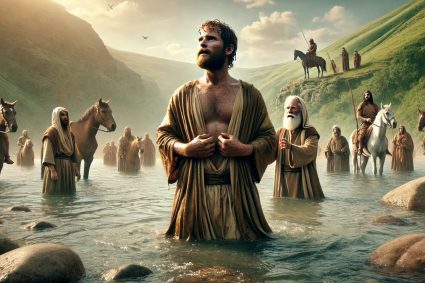
4 And Gideon came to Jordan, and passed over, he, and the three hundred men that were with him, faint, yet pursuing them.
5 And he said unto the men of Succoth, Give, I pray you, loaves of bread unto the people that follow me; for they be faint, and I am pursuing after Zebah and Zalmunna, kings of Midian.
6 And the princes of Succoth said, Are the hands of Zebah and Zalmunna now in thine hand, that we should give bread unto thine army?
7 And Gideon said, Therefore when the Lord hath delivered Zebah and Zalmunna into mine hand, then I will tear your flesh with the thorns of the wilderness and with briers.
8 And he went up thence to Penuel, and spake unto them likewise: and the men of Penuel answered him as the men of Succoth had answered him.
9 And he spake also unto the men of Penuel, saying, When I come again in peace, I will break down this tower.
10 Now Zebah and Zalmunna were in Karkor, and their hosts with them, about fifteen thousand men, all that were left of all the hosts of the children of the east: for there fell an hundred and twenty thousand men that drew sword.
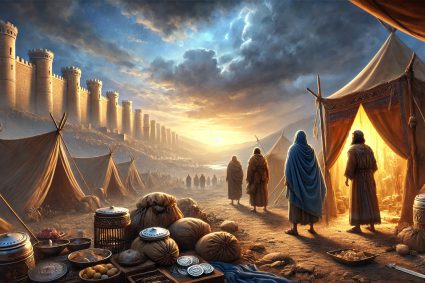
11 And Gideon went up by the way of them that dwelt in tents on the east of Nobah and Jogbehah, and smote the host; for the host was secure.
12 And when Zebah and Zalmunna fled, he pursued after them, and took the two kings of Midian, Zebah and Zalmunna, and discomfited all the host.
13 And Gideon the son of Joash returned from battle before the sun was up,
14 And caught a young man of the men of Succoth, and enquired of him: and he described unto him the princes of Succoth, and the elders thereof, even threescore and seventeen men.
15 And he came unto the men of Succoth, and said, Behold Zebah and Zalmunna, with whom ye did upbraid me, saying, Are the hands of Zebah and Zalmunna now in thine hand, that we should give bread unto thy men that are weary?
16 And he took the elders of the city, and thorns of the wilderness and briers, and with them he taught the men of Succoth.
17 And he beat down the tower of Penuel, and slew the men of the city.
18 Then said he unto Zebah and Zalmunna, What manner of men were they whom ye slew at Tabor? And they answered, As thou art, so were they; each one resembled the children of a king.
19 And he said, They were my brethren, even the sons of my mother: as the Lord liveth, if ye had saved them alive, I would not slay you.
20 And he said unto Jether his firstborn, Up, and slay them. But the youth drew not his sword: for he feared, because he was yet a youth.
21 Then Zebah and Zalmunna said, Rise thou, and fall upon us: for as the man is, so is his strength. And Gideon arose, and slew Zebah and Zalmunna, and took away the ornaments that were on their camels’ necks.
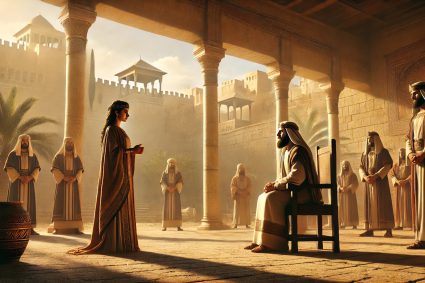
22 Then the men of Israel said unto Gideon, Rule thou over us, both thou, and thy son, and thy son’s son also: for thou hast delivered us from the hand of Midian.
23 And Gideon said unto them, I will not rule over you, neither shall my son rule over you: the Lord shall rule over you.
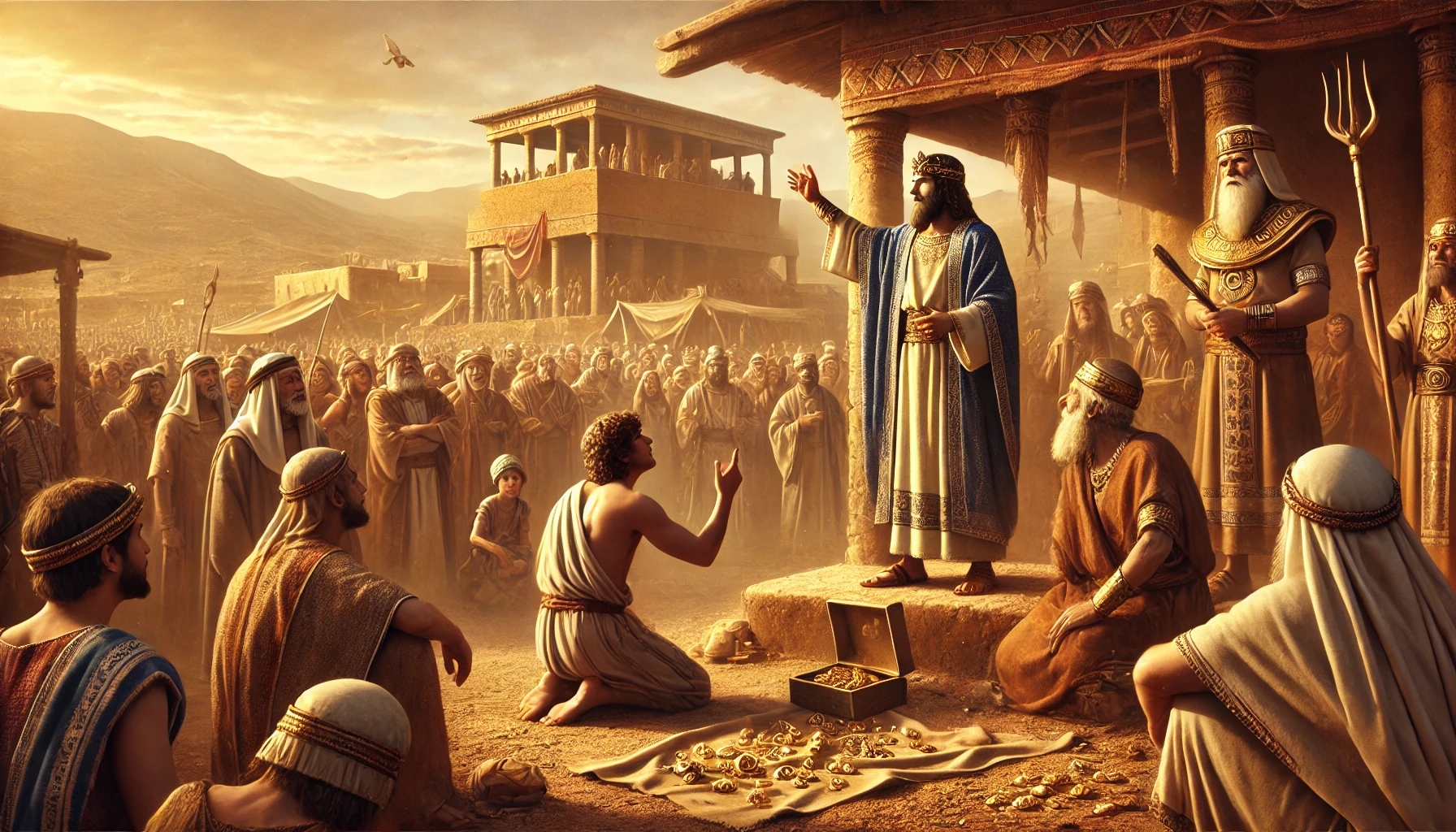
24 And Gideon said unto them, I would desire a request of you, that ye would give me every man the earrings of his prey. (For they had golden earrings, because they were Ishmaelites.)
25 And they answered, We will willingly give them. And they spread a garment, and did cast therein every man the earrings of his prey.
26 And the weight of the golden earrings that he requested was a thousand and seven hundred shekels of gold; beside ornaments, and collars, and purple raiment that was on the kings of Midian, and beside the chains that were about their camels’ necks.
27 And Gideon made an ephod thereof, and put it in his city, even in Ophrah: and all Israel went thither a whoring after it: which thing became a snare unto Gideon, and to his house.
28 Thus was Midian subdued before the children of Israel, so that they lifted up their heads no more. And the country was in quietness forty years in the days of Gideon.
29 And Jerubbaal the son of Joash went and dwelt in his own house.
30 And Gideon had threescore and ten sons of his body begotten: for he had many wives.
31 And his concubine that was in Shechem, she also bare him a son, whose name he called Abimelech.
32 And Gideon the son of Joash died in a good old age, and was buried in the sepulchre of Joash his father, in Ophrah of the Abiezrites.
33 And it came to pass, as soon as Gideon was dead, that the children of Israel turned again, and went a whoring after Baalim, and made Baalberith their god.
34 And the children of Israel remembered not the Lord their God, who had delivered them out of the hands of all their enemies on every side:
35 Neither shewed they kindness to the house of Jerubbaal, namely, Gideon, according to all the goodness which he had shewed unto Israel.
══════════════════════════════════════════════
🔵 Introduction
Gideon was a man whom God used in a critical time in Israel’s history to deliver His people from the Midianites. But this chapter shows a surprising turn: the great deliverer falls into self-will, revenge, and religious misuse. What can we learn from this story?
══════════════════════════════════════════════
🟡 Commentary
🟫 1. Conflict with Ephraim (Verses 1–3)
-
Gideon is criticized by the men of Ephraim for not calling them to the battle.
-
His diplomatic response calms their anger.
-
Lesson: A gentle word can turn away wrath (see Proverbs 15:1).
🟫 2. Gideon Pursues Sebah and Zalmuna (Verses 4–12)
-
Despite exhaustion, he continues the pursuit with his 300 men.
-
The cities of Sukkoth and Penuel refuse to help, as the victory is not yet certain.
-
Lesson: Faith sometimes requires action without visible results.
🟫 3. Retribution on Sukkoth and Penuel (Verses 13–17)
-
After victory, Gideon returns and carries out harsh punishments.
-
Humiliation with thorns and the destruction of the tower reveal Gideon’s spirit of revenge.
-
Warning: Spiritual leaders are not immune to the abuse of power.
🟫 4. Execution of the Enemy Kings (Verses 18–21)
-
Gideon avenges the death of his brothers and executes justice himself.
-
His son Jether hesitates – a symbol of insecurity in critical moments.
-
Lesson: Justice must be guided by God, not personal vengeance.
🟫 5. Rejection of Kingship (Verses 22–23)
-
Gideon formally rejects kingship and emphasizes God’s rule.
-
But: His following actions contradict this declaration.
🟫 6. A Golden Ephod Becomes an Idol (Verses 24–27)
-
Gideon has an ephod made from war plunder – possibly as a memorial.
-
However, it becomes the center of false worship.
-
Warning: Religious symbols can quickly become idols if reverence for God is missing.
🟫 7. Gideon’s Later Life and Death (Verses 28–32)
-
Israel enjoys peace for 40 years.
-
Gideon had many sons and a concubine – signs of status but also compromise.
-
Observation: His life ends not in open rebellion but in spiritual drift.
🟫 8. Spiritual Decline After Gideon (Verses 33–35)
-
After his death, Israel turns back to Baal worship.
-
No gratitude is shown to Gideon’s family.
-
Insight: True spiritual renewal must be rooted in God – not in people.
══════════════════════════════════════════════
🟢 Summary
Gideon’s life shows the dramatic shift from being Spirit-led to self-directed and vengeful. Though called by God, his story ends as a sad example: even spiritual heroes can fall when they abandon God’s guidance.
══════════════════════════════════════════════
💬 Reflection Thought
-
Stay Humble: Success in faith is God’s work – not our own.
-
Remain Watchful: Spiritual deviation often starts subtly.
-
Give God the Glory: Religious acts or memories must not become objects of worship.
-
Do Not Take Revenge: God is the Judge – our task is mercy and justice in love.
~~~~~ ⚖️ ~~~~~
📆 16–22 November 2025
📚 BELIEVE HIS PROPHETS
📖 Weekly Reading – Spirit of Prophecy
📘 Ellen White | Patriarchs and Prophets – Chapter 41
🔥 Apostasy at the Jordan | Warning against spiritual apostasy and moral seduction
🌐 Read online here
═════════════════════════════════════════════
🔵 Introduction
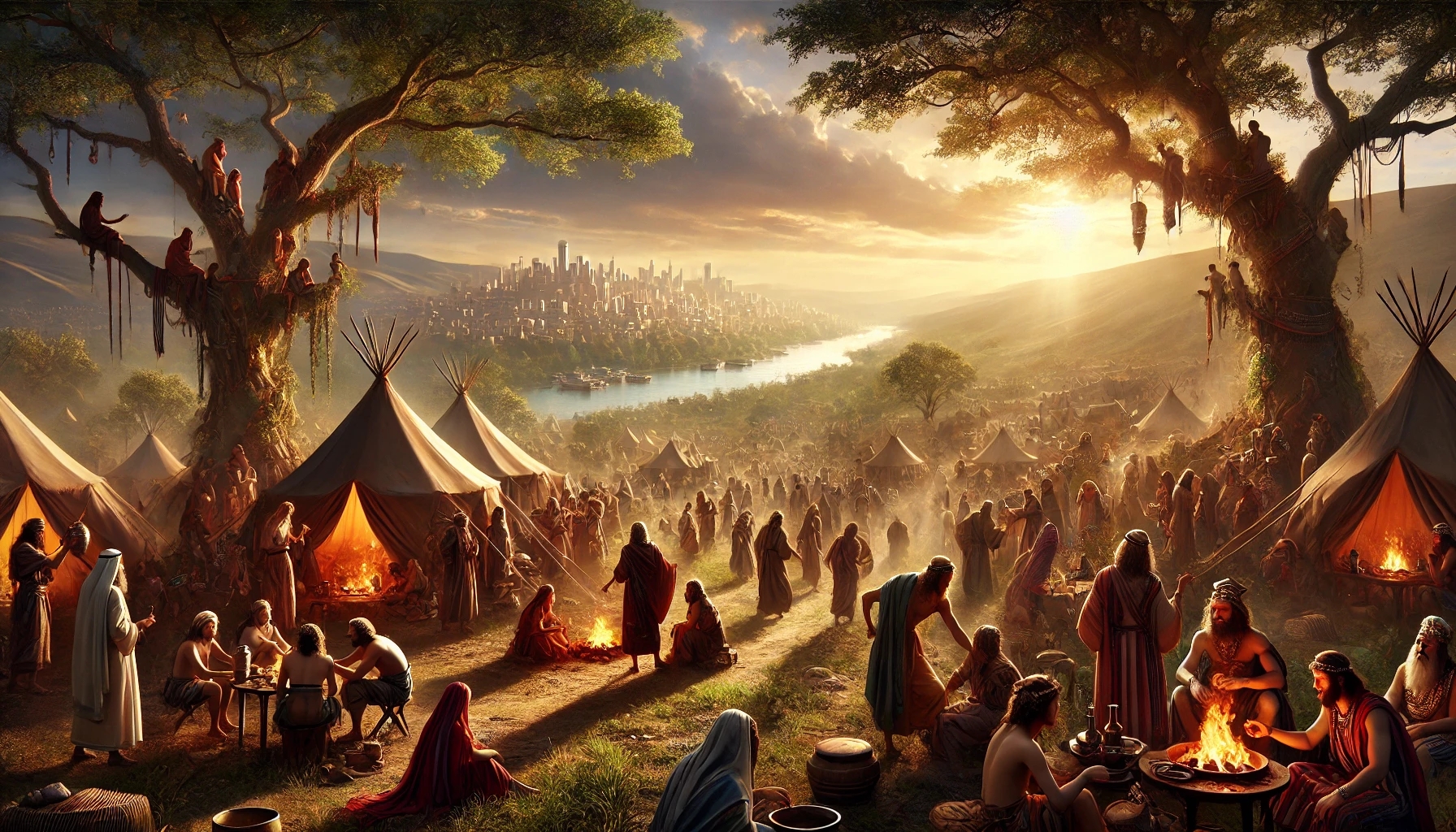
The people of Israel stood directly at the border of the promised land. After great victories and divine guidance, the long-awaited homeland was within reach. But precisely in this moment of outward success, rest, and comfort came one of the worst spiritual collapses in Israel’s history: the apostasy at Baal-Peor.
This chapter vividly describes how moral seduction, spiritual unfaithfulness, and worldly mingling separated God’s people from their Lord—and what deep spiritual lessons it holds for us today.
═════════════════════════════════════════════
🟡 Commentary
🟪 1. The surroundings of Shittim – beauty and danger
Israel camped in a fertile, tropical plain by the Jordan. Outward prosperity, pleasant surroundings, and rest felt relaxing—but also disarming. This phase of leisure became a spiritual trap.
🟪 2. The secret seduction by the Midianite women
Midianite women entered the camp unobtrusively. Their intention was not friendship, but targeted seduction into sin. Under the guise of harmony and culture, the Israelites were to be led into idolatry and moral excess.
🟪 3. The feast in honor of the idols – Balaam’s strategy
Balaam, who had previously been unable to curse Israel, now found another way: he led the people close to temptation. Music, wine, cheerful feasting, and sensual allure undermined their self-control. Moral fall turned into idolatry.
🟪 4. The deadly plague – the consequences of apostasy
The spiritual and moral collapse had catastrophic consequences:
– A plague broke out that took tens of thousands.
– The leaders of the apostasy were judged.
– The camp underwent drastic purification.
🟪 5. The zeal of Phinehas
With holy determination, Phinehas acted to stop the judgment.
God affirmed his action and granted him the “covenant of peace”—an everlasting priesthood.
The message: God’s zeal against sin is an expression of His love for His people.
🟪 6. God’s judgment on Midian
Because Midian had deliberately led Israel into sin, divine judgment followed.
The lesson: those who cause others to fall spiritually bear tremendous responsibility.
🟪 7. The timeless warning—from the Old Testament to the end times
The account is not merely past. Paul explicitly states:
“This happened to them as an example … written for our admonition.” (1 Cor. 10:11)
Just as then:
– Seduction through pleasures
– Blending with worldly values
– moral dullness
– playing with temptation
still lead us away from God.
🟪 8. The spiritual mechanism of falling
The decline does not begin suddenly, but:
– thoughts become impure
– vigilance weakens
– prayer is neglected
– association with the world becomes careless
– small compromises accumulate
– in the end, a person visibly falls into sin
🟪 9. God’s way of escape: purity of heart
The Bible calls for a sanctified, guarded inner life:
– “Guard your heart” (Prov. 4:23)
– “Gird up the loins of your mind” (1 Pet. 1:13)
– “Whatever is true… think on these things!” (Phil. 4:8)
– “Create in me a clean heart” (Ps. 51:10)
Victory over temptation always begins in the heart—not in outward behavior.
═════════════════════════════════════════════
🟢 Summary
The apostasy at the Jordan shows that the greatest enemy of God’s people is not external threats but inner susceptibility. Israel did not fall by war, but by moral corruption and spiritual negligence. The path into sin began quietly, led to open excess, and ended in heavy judgment. Yet God offers purity, renewal, and protection to those who remain watchful and treasure His Word in their hearts.
═════════════════════════════════════════════
📢 Message for Us Today
Spiritually speaking, we stand just as close to the “heavenly Canaan” as Israel did then. That is why the danger today is great—to fall in this final phase of history through comfort, worldly blending, or moral temptation. Satan uses the same means as then:
– sensual allure
– love of pleasure
– mingling with godless values
– neglect of prayer
– compromises in thinking
Therefore God’s call is:
Watchfulness, purity of heart, separation from destructive influences, and deep connection with His Word.
═════════════════════════════════════════════
💬 Reflection Questions
What “Shittim moments” are there in my life—times of rest or self-satisfaction when I am particularly vulnerable to temptation? And how can I guard my heart before small compromises grow into great sins?
~~~~~ ⚖️ ~~~~~
📆 16–22 November 2025
📚 BELIEVE HIS PROPHETS
📖 Weekly Reading – Spirit of Prophecy
📘 Ellen White | Patriarchs and Prophets – Chapter 42
🔥 The Law Repeated | Moses’ final exhortations and God’s enduring call to obedience
🌐 Read online here
═════════════════════════════════════════════
🔵 Introduction
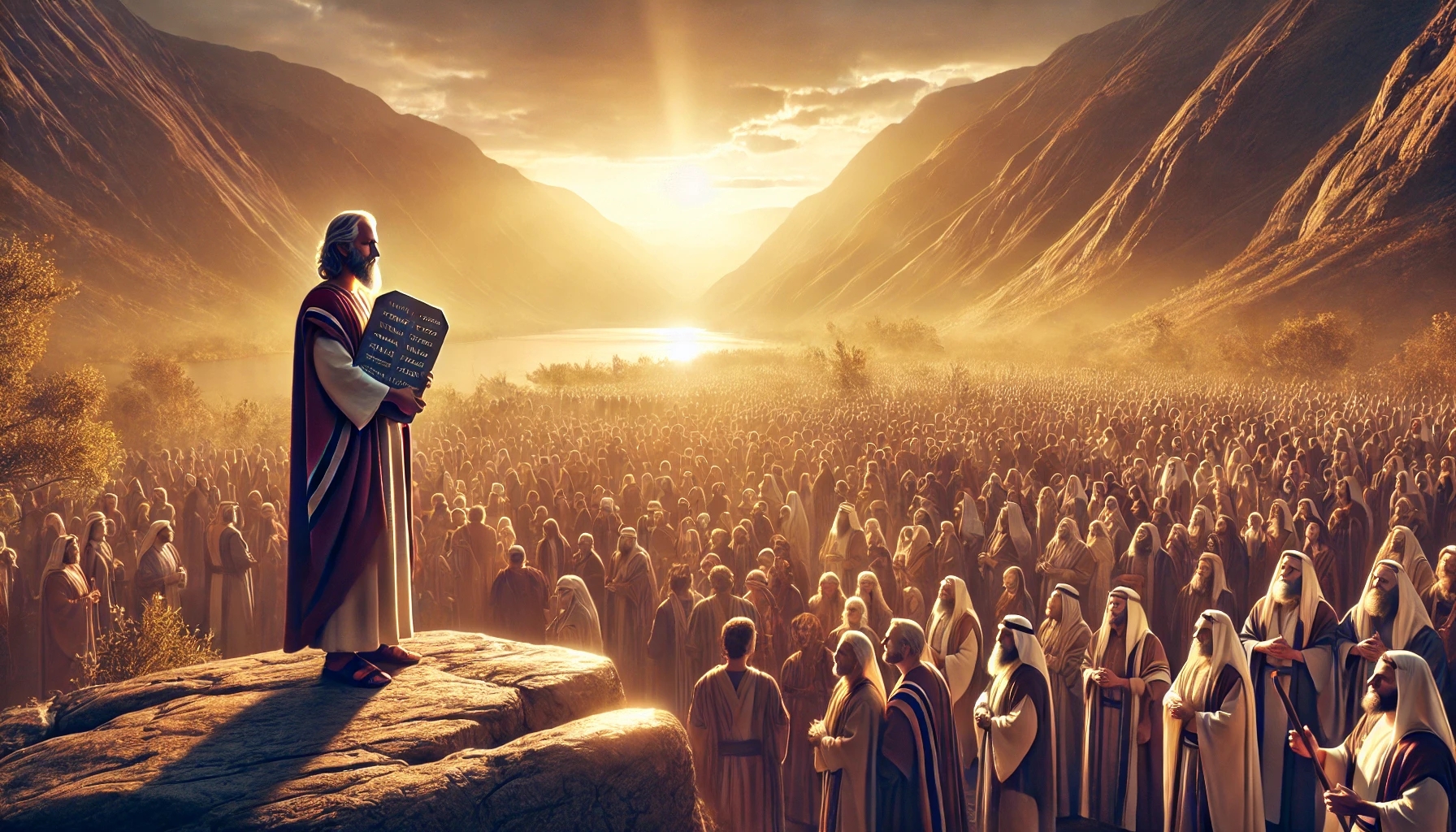
Shortly before entering the promised land, Moses gathers the people of Israel one last time. He knows that his time as leader is ending—and that he himself will not enter Canaan. But before he departs, he repeats God’s law and reminds them of the great responsibility connected with the covenant with God. In a passionate, far-reaching appeal, he calls the people to faithfulness, obedience, and a choice for life.
═════════════════════════════════════════════
🟡 Commentary
🟪 1. Moses’ farewell in humility and concern
Moses asks God to allow him to go into the land—God does not permit it. Yet Moses accepts God’s decision and is not concerned about himself but about the people. He asks for a successor—and God chooses Joshua.
🟪 2. Joshua’s calling – a spiritual leader appointed
God chooses Joshua, “a man in whom is the Spirit” (Num. 27:18). Moses lays hands on him before the whole nation, investing him with authority. This shows: leadership is not human ambition but a divine commission.
🟪 3. Why the law needed to be repeated
The new generation was young at Sinai. They needed to hear God’s law again—to understand why obedience is the foundation for blessing, safety, and fellowship with God. The repetition was meant to touch heart and conscience anew.
🟪 4. Looking back at God’s guidance and grace
Moses reminds Israel of:
-
the deliverance from Egypt
-
the miracles in the wilderness
-
the giving of the law
-
God’s nearness
He shows: No other nation was ever so loved, guided, and blessed by God.
🟪 5. Israel—chosen out of love, not merit
“Not because you were more in number… but because He loved you” (Deut. 7:7–9). God’s covenant is based on faithfulness and grace—not on Israel’s strength. This truth is central to prevent pride and self-righteousness.
🟪 6. The promised land – both gift and responsibility
Moses describes the land: fertile, beautiful, supplied by God. But the warning follows immediately: When you are full, do not forget the Lord (Deut. 6:10–12). Prosperity can become a danger if it creates spiritual drowsiness.
🟪 7. Blessing and curse – the choice of life
Chapter 28 contains two mighty lists:
-
Blessing for obedience: abundance, protection, success
-
Curse for disobedience: hardship, scattering, judgment
These warnings were tragically fulfilled in Israel’s history—among them the destruction of Jerusalem by Rome.
🟪 8. The solemn appeal: Choose life!
“I have set before you life and death, blessing and curse… therefore choose life” (Deut. 30:19).
God does not force—He calls. Obedience is not external duty but a decision born of love for God.
🟪 9. The Song of Moses – remembrance in poetic form
To imprint everything, Moses composes a song. It recounts God’s dealings and warns toward faithfulness. The people are to memorize it and pass it on to future generations—God’s truth is meant to penetrate the heart.
═════════════════════════════════════════════
🟢 Summary
Chapter 42 is Moses’ final great appearance before his death. He repeats the law, calls the people to decision, and transfers leadership to Joshua. The heart of his message: Israel was chosen by grace—now they are to respond with obedience and love. Blessing and curse lie openly before them. The choice is theirs.
═════════════════════════════════════════════
📢 Message for Us Today
We too stand spiritually at the border of the “promised land”—the second coming of Jesus. God’s law still stands as the standard for our lives. The choice between life and death, obedience or our own path, arises anew each day. Prosperity, routine, and spiritual indifference are the same dangers now as then. God’s call applies to us as well:
– Choose life.
– Hold fast to the Word.
– Teach it to your children.
– Live with God—and for God.
═════════════════════════════════════════════
💬 Reflection Questions
➡️ What shapes my daily decisions—comfort or obedience?
➡️ Is God’s law alive in my heart—or merely a duty?
➡️ How can others tell that I have chosen life with God?
➡️ How can I pass on the spiritual heritage to the next generation?
══════════════════════════════════════════════
LuxVerbi | The light of the Word. The clarity of faith.
