

📅 March 10, 2026
📚 BELIEVE HIS PROPHETS
📖 Daily Bible Reading
🏚️ 2 Kings 15 – Turmoil on the Throne – When Stability Begins to Crumble
✨ Many kings, short reigns, and the consequences of spiritual disorientation.
🌐 Read online here
📍 Introduction
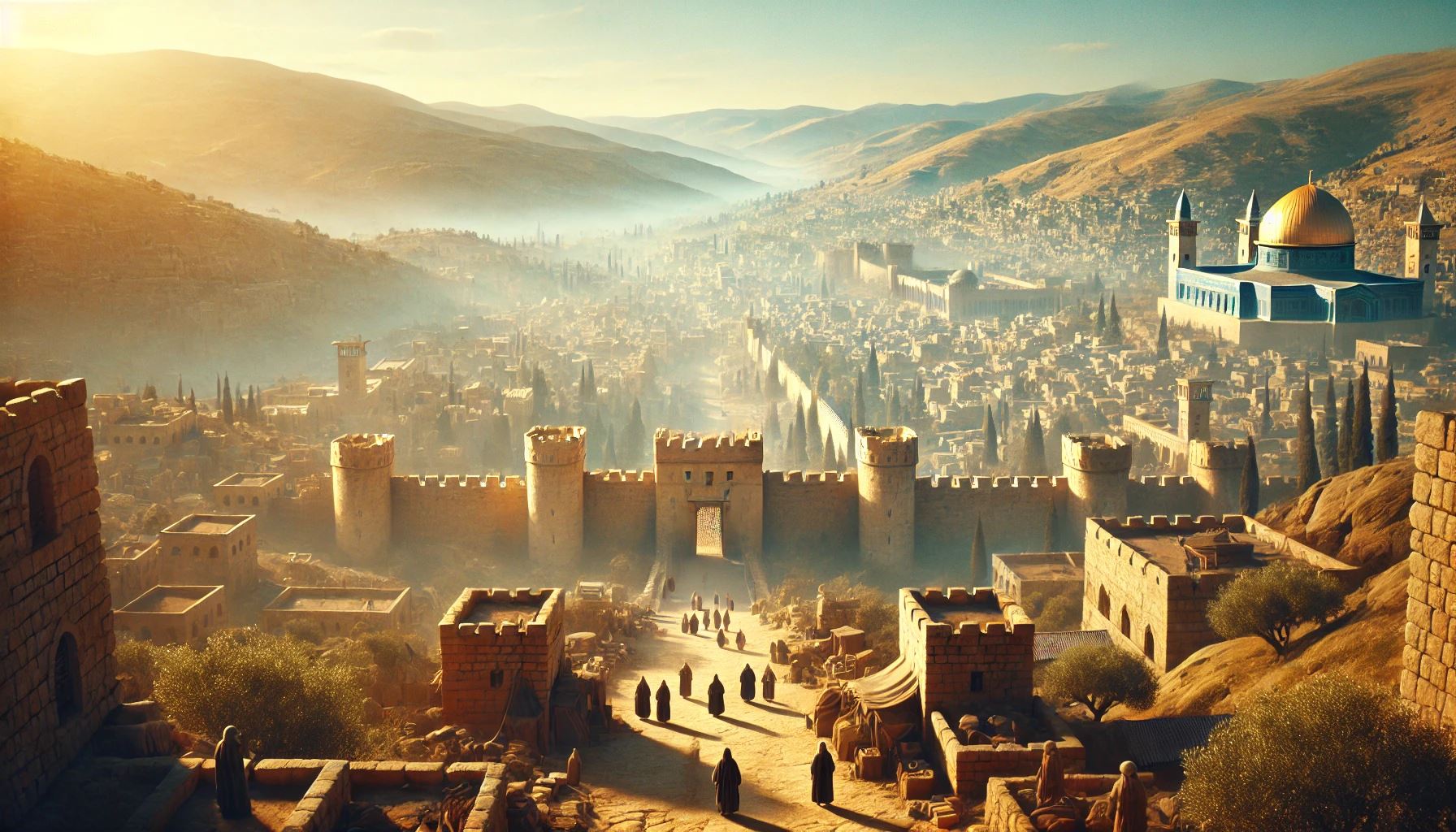
Chapter 15 reads like a rapid overview of a restless period. While in Judah one king reigns for a long time, in the northern kingdom of Israel several rulers follow one another in quick succession. Intrigue, violence, and political uncertainty shape the events. The narrative shows how the lack of spiritual direction can eventually produce social and political instability.
⋯⋯⋯⋯⋯⋯⋯⋯⋯⋯◆⋯⋯⋯⋯⋯⋯⋯⋯⋯⋯
🧵 Commentary
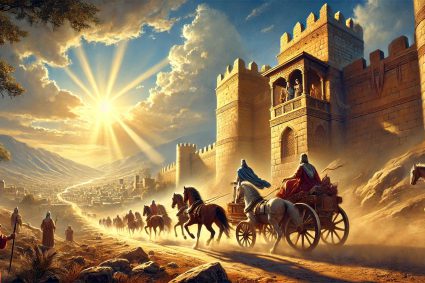
In Judah the story begins with Azariah, also called Uzziah. His reign is long and in many ways successful. He does what is right in the eyes of the Lord, yet he does not fully follow God’s ways, because the high places remain. Despite outward stability, his rule also carries an inner limitation. At the end of his life he becomes leprous and lives in isolation while his son Jotham manages the affairs of government. The image is striking: a long, relatively stable period ends in separation.
In the northern kingdom of Israel, however, unrest dominates. After Jeroboam II comes his son Zechariah, but he reigns only six months before being murdered. With him the dynasty of Jehu ends—exactly as had once been foretold. He is followed by Shallum, whose reign lasts only one month before he too is killed.
Menahem takes power with great harshness. His brutality is shown in cruel actions against rebellious cities. At the same time pressure from outside increases: the Assyrian king Pul appears on the political stage. In order to secure his rule, Menahem pays enormous tribute and heavily burdens the people. External peace is bought at the cost of internal strain.
After Menahem his son Pekahiah becomes king, but he also remains in power only briefly. One of his officers, Pekah, conspires against him and takes the throne. The spiral of violence continues. During Pekah’s reign Assyria gains increasing influence and conquers the first territories of Israel. The kingdom visibly begins to fall apart.
Pekah himself also ends through a conspiracy. Hoshea kills him and becomes the last king of Israel. The chapter ends without closing the story, but the direction is clear: the northern kingdom is moving toward its end.
Amid all these rapid changes stands the calmer line of Judah under Jotham, who rules comparatively faithfully. Yet even there future threats are beginning to appear.
⋯⋯⋯⋯⋯⋯⋯⋯⋯⋯◆⋯⋯⋯⋯⋯⋯⋯⋯⋯⋯
🧺 Summary
2 Kings 15 describes a phase of political instability, especially in the northern kingdom of Israel, where several kings follow one another through murder and conspiracies. At the same time Uzziah reigns in Judah for a long period, though not without weaknesses. Meanwhile Assyria gains increasing influence and threatens the independence of Israel.
⋯⋯⋯⋯⋯⋯⋯⋯⋯⋯◆⋯⋯⋯⋯⋯⋯⋯⋯⋯⋯
🔦 Message for us today
The chapter shows that the absence of inner direction can eventually lead to outward instability. When power becomes more important than values, insecurity and fear arise. At the same time the story reminds us that external success does not automatically mean spiritual health.
True stability grows where decisions are not based only on short-term advantage but on solid foundations.
⋯⋯⋯⋯⋯⋯⋯⋯⋯⋯◆⋯⋯⋯⋯⋯⋯⋯⋯⋯⋯
📝 Reflection
Where do I experience unrest in my life or surroundings that may arise from a lack of inner direction?
And which values help me remain stable even in changing times?
════════ ✶ ✶ ════════
📆 March 8 – 11, 2026
📚 BELIEVE HIS PROPHETS
📖 Weekly Reading from the Spirit of Prophecy
📘 Ellen White | Patriarchs and Prophets
🔥 Chapter 66 : The Death of Saul
✨ When a heart finally turns away from God
🌐 Read online here
📘 Blog 3: 🗡️ The Final Moment
The tragic fall of a king
📍 Introduction
The king of Israel stands before his final decision.
⋯⋯⋯⋯⋯⋯⋯⋯⋯⋯◆⋯⋯⋯⋯⋯⋯⋯⋯⋯⋯
🧵 Commentary
The battle is lost.
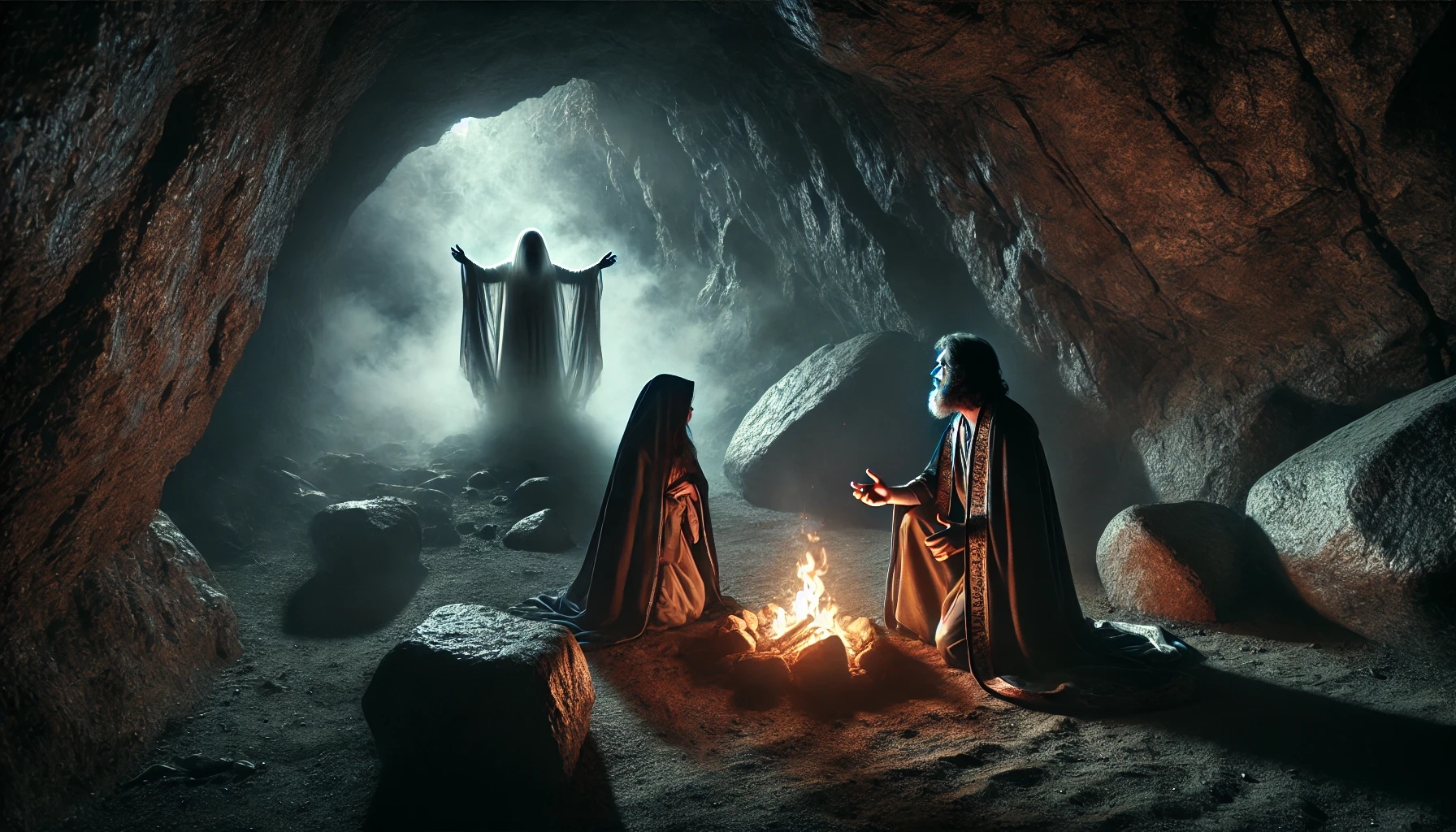
Saul stands on Mount Gilboa. His wound is bleeding, and the Philistines are drawing closer.
He knows what they will do to him if they capture him alive.
He turns to his armor-bearer.
“Draw your sword and kill me.”
But the young man refuses.
He cannot raise his hand against the Lord’s anointed.
For a moment there is silence.
Then Saul takes his own sword.
The first king of Israel—once chosen, once blessed—falls by his own hand.
Thus ends a life full of possibilities, destroyed by pride and disobedience.
⋯⋯⋯⋯⋯⋯⋯⋯⋯⋯◆⋯⋯⋯⋯⋯⋯⋯⋯⋯⋯
🧺 Summary
When Saul realizes that the battle is lost, he takes his own life rather than fall into the hands of the Philistines.
⋯⋯⋯⋯⋯⋯⋯⋯⋯⋯◆⋯⋯⋯⋯⋯⋯⋯⋯⋯⋯
🔦 Message for us today
Saul’s tragic fall shows where a life can lead when God’s guidance is continually rejected.
⋯⋯⋯⋯⋯⋯⋯⋯⋯⋯◆⋯⋯⋯⋯⋯⋯⋯⋯⋯⋯
📝 Reflection
Which small decisions today are shaping the path of my life tomorrow?
