
📅 17 February 2026
📚 BELIEVE HIS PROPHETS
📖 Daily Bible Reading
🏛️ 1 Kings 16 – Instability, Judgment, and the Rise of Ahab
✨ When Changes in Power Do Not Solve the Heart Problem
🌐 Read online here
📍 Introduction
Chapter 16 is marked by rapid changes of power, intrigue, and violence—especially in the northern kingdom of Israel. Kings come and go, dynasties are wiped out, yet one thing remains the same: the spiritual problem of idolatry.
At the end of the chapter, a figure appears who will decisively shape Israel’s history—Ahab.
⋯⋯⋯⋯⋯⋯⋯⋯⋯⋯◆⋯⋯⋯⋯⋯⋯⋯⋯⋯⋯
🧵 Commentary
Baasha rules in the northern kingdom of Israel, but his path is no different from that of his predecessors. Through the prophet Jehu, God tells him: because he walked in the way of Jeroboam and led Israel into sin, his house will also be wiped out—just like Jeroboam’s.
And so it happens.
After Baasha’s death, his son Elah becomes king. But he reigns only two years. While he is drunk in the house of his steward, his own military commander Zimri rises up against him and kills him.
Zimri destroys Baasha’s entire family—no male descendant remains. Once again, God’s word is fulfilled.
Yet Zimri’s own reign lasts only seven days.
The army of Israel, encamped in the field, hears about the conspiracy. They make Omri, the commander of the army, king. Omri marches against Tirzah, where Zimri has barricaded himself. When Zimri sees that all is lost, he sets the royal palace on fire and dies in the flames.
But even now, there is no peace.
The people divide: one part follows Tibni, the other Omri. A power struggle ensues until Omri prevails. Tibni dies, and Omri becomes sole king.
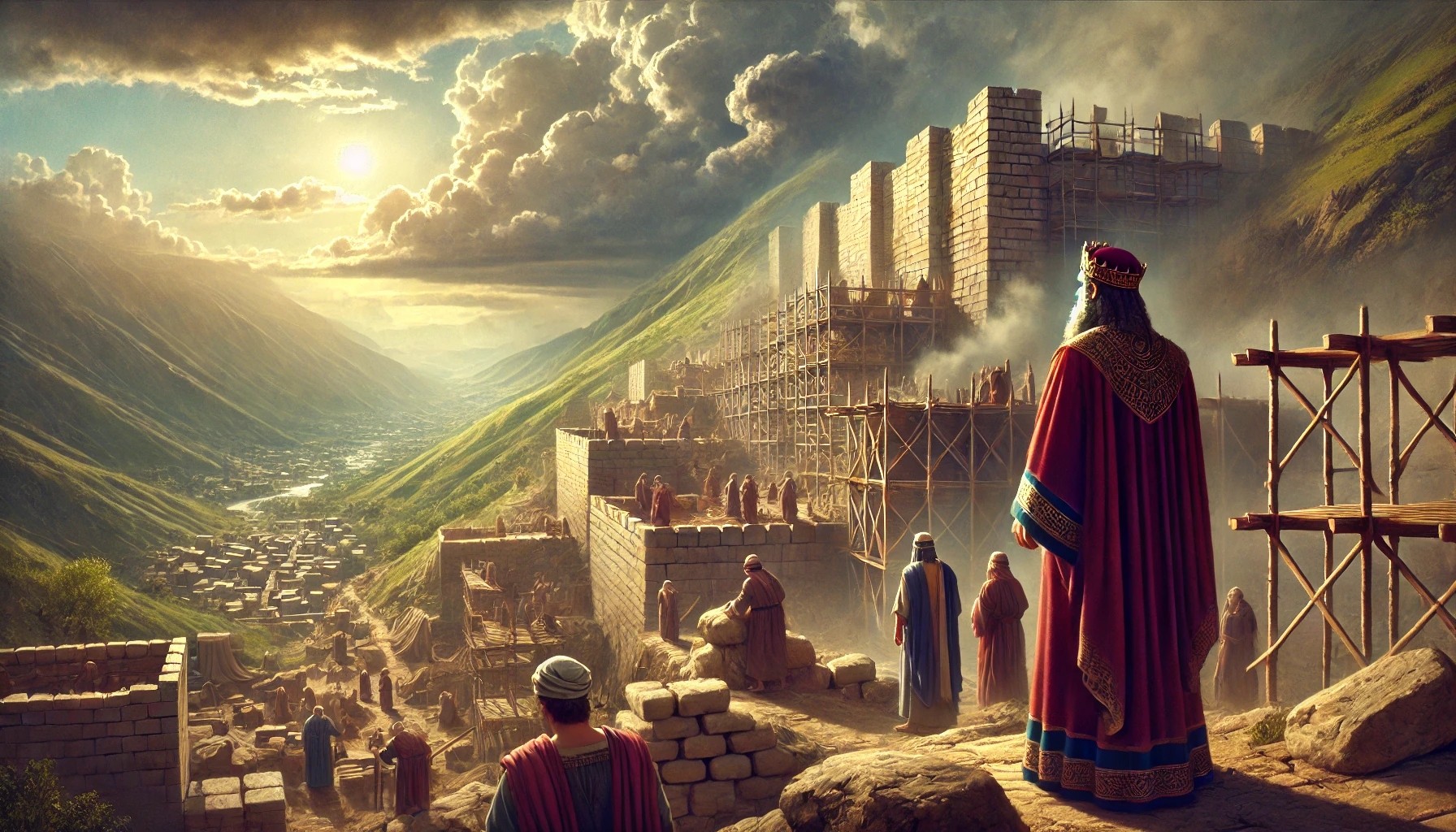
Omri proves politically shrewd. He buys the hill of Samaria and builds a new capital there. Strategically located, Samaria becomes the center of the northern kingdom.
Spiritually, however, Omri is no light. The text judges him harshly: he did more evil than all who were before him.
After Omri’s death, his son Ahab becomes king.
And now it grows even darker.
Ahab does not merely continue what Jeroboam had done—he goes further. He marries Jezebel, the daughter of the king of the Sidonians. With her, Baal worship openly enters Israel.
Ahab builds a temple for Baal in Samaria and makes an Asherah pole. He provokes the Lord, the God of Israel, more than all the kings of Israel before him.
The spiritual condition reaches a new low.
The chapter ends with a brief, seemingly incidental note: in Ahab’s time, Hiel of Bethel rebuilds Jericho. In doing so, ancient words of curse from the time of Joshua are fulfilled—his sons die during the construction.
A quiet reminder: God’s word stands firm—even when generations forget it.
⋯⋯⋯⋯⋯⋯⋯⋯⋯⋯◆⋯⋯⋯⋯⋯⋯⋯⋯⋯⋯
🧺 Summary
-
God announces judgment on Baasha’s house.
-
Elah is murdered by Zimri.
-
Zimri reigns only seven days and dies in fire.
-
Omri prevails in the power struggle and founds Samaria.
-
Omri acts wickedly before the Lord.
-
Ahab becomes king and, with Jezebel, introduces Baal worship.
-
The spiritual decline reaches a new height.
⋯⋯⋯⋯⋯⋯⋯⋯⋯⋯◆⋯⋯⋯⋯⋯⋯⋯⋯⋯⋯
🔦 Message for us today
Chapter 16 shows us:
-
Political changes do not solve spiritual problems.
-
Power without reverence for God leads deeper into ruin.
-
Each generation is responsible for its decisions.
-
Compromise in faith opens doors to greater apostasy.
-
God’s word is fulfilled—even after a long time.
Israel’s real problem was not political instability, but an unstable heart.
⋯⋯⋯⋯⋯⋯⋯⋯⋯⋯◆⋯⋯⋯⋯⋯⋯⋯⋯⋯⋯
📝 Reflection
Where am I seeking solutions externally, when the real issue lies within?
Am I willing to place God above cultural or societal influences?
════════ ✶ ✶ ════════
📆 15 – 17 February 2026
📚 BELIEVE HIS PROPHETS
📖 Weekly Reading from the Spirit of Prophecy
📘 Ellen White | Patriarchs and Prophets
🔥 Chapter 62: David’s Anointing
✨ God’s choice according to the heart, not according to appearance
🌐 Read online here
📘 Blog 3: 🎶 Formed in Solitude
How David’s Quiet Years Made Him King
📍 Introduction
Great responsibility requires inner maturity. This rarely develops in noise—but often in times of silence.
⋯⋯⋯⋯⋯⋯⋯⋯⋯⋯◆⋯⋯⋯⋯⋯⋯⋯⋯⋯⋯
🧵 Commentary
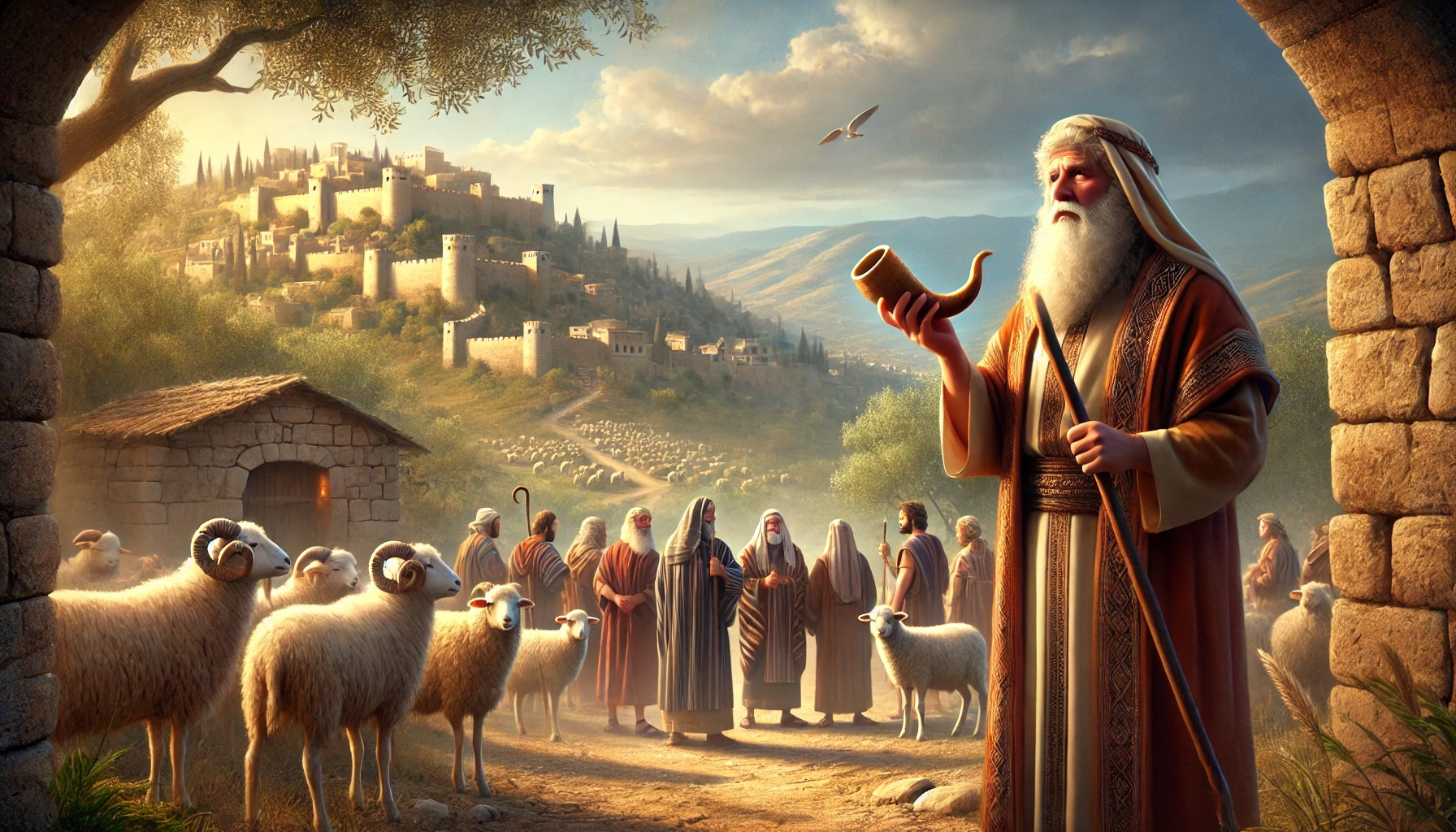
The years on the hills of Bethlehem were not wasted years. They were school years. David learned to listen for quiet sounds. He learned to recognize danger before it became visible. He learned patience when the days were long, and courage when threats approached.
But even more: he learned to know God.
Nature became his textbook. The sunrise spoke of hope. The vast sky spoke of greatness. The sound of the wind became a parable of God’s working.
His harp became the expression of his soul. Observation became worship. Experience became trust. Solitude became fellowship with God.
When Samuel anointed him, outwardly little changed. But inwardly David knew: God leads. God plans. God sees.
He did not push. He did not demand. He waited.
And it was precisely this waiting that continued to shape him.
⋯⋯⋯⋯⋯⋯⋯⋯⋯⋯◆⋯⋯⋯⋯⋯⋯⋯⋯⋯⋯
🧺 Summary
David’s character was formed in seclusion. Solitude became the school of faith and preparation for his future calling.
⋯⋯⋯⋯⋯⋯⋯⋯⋯⋯◆⋯⋯⋯⋯⋯⋯⋯⋯⋯⋯
🔦 Message for us today
Times of withdrawal are not dead ends, but spaces for growth. God uses quiet seasons to strengthen us inwardly.
⋯⋯⋯⋯⋯⋯⋯⋯⋯⋯◆⋯⋯⋯⋯⋯⋯⋯⋯⋯⋯
📝 Reflection
How can I use my quiet times more intentionally as space for spiritual growth?
