📅 5 January 2026
📚 BELIEVE HIS PROPHETS
📖 Daily Bible Reading
🕊️ 1 Samuel 28 – Saul at Endor: When God Is Silent
✨ When human fear becomes greater than trust—and a king opens the wrong door
🌐 Read online here
📍 Introduction
1 Samuel 28 is one of the darkest and most dramatic chapters in the history of Saul. The king, once called by God, is now abandoned by God. In his desperation, he does not turn to God—but to a forbidden medium. This chapter confronts us with the sobering reality of spiritual alienation, but also with the grace of God that had been offered many times before and is now withdrawn in seriousness.
⋯⋯⋯⋯⋯⋯⋯⋯⋯⋯◆⋯⋯⋯⋯⋯⋯⋯⋯⋯⋯
🧵 Commentary
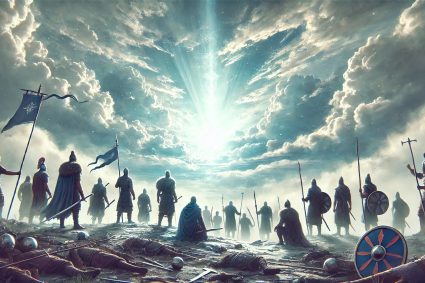
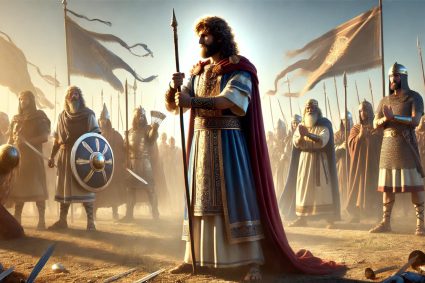
The Philistines prepare for battle. David, who is under the protection of Achish, is asked to go to war with them. Whether David would actually do so remains unclear—the decision comes later. But while the Philistines march, Saul is seized with deep fear. He sees the armies—and his heart trembles.
Saul does what he had often done before: he inquires of the Lord. But this time, heaven is silent. No prophet. No dream. No sign. Nothing. The man who had so often ignored God’s voice now experiences the silence of God. And that is worse than any battle.
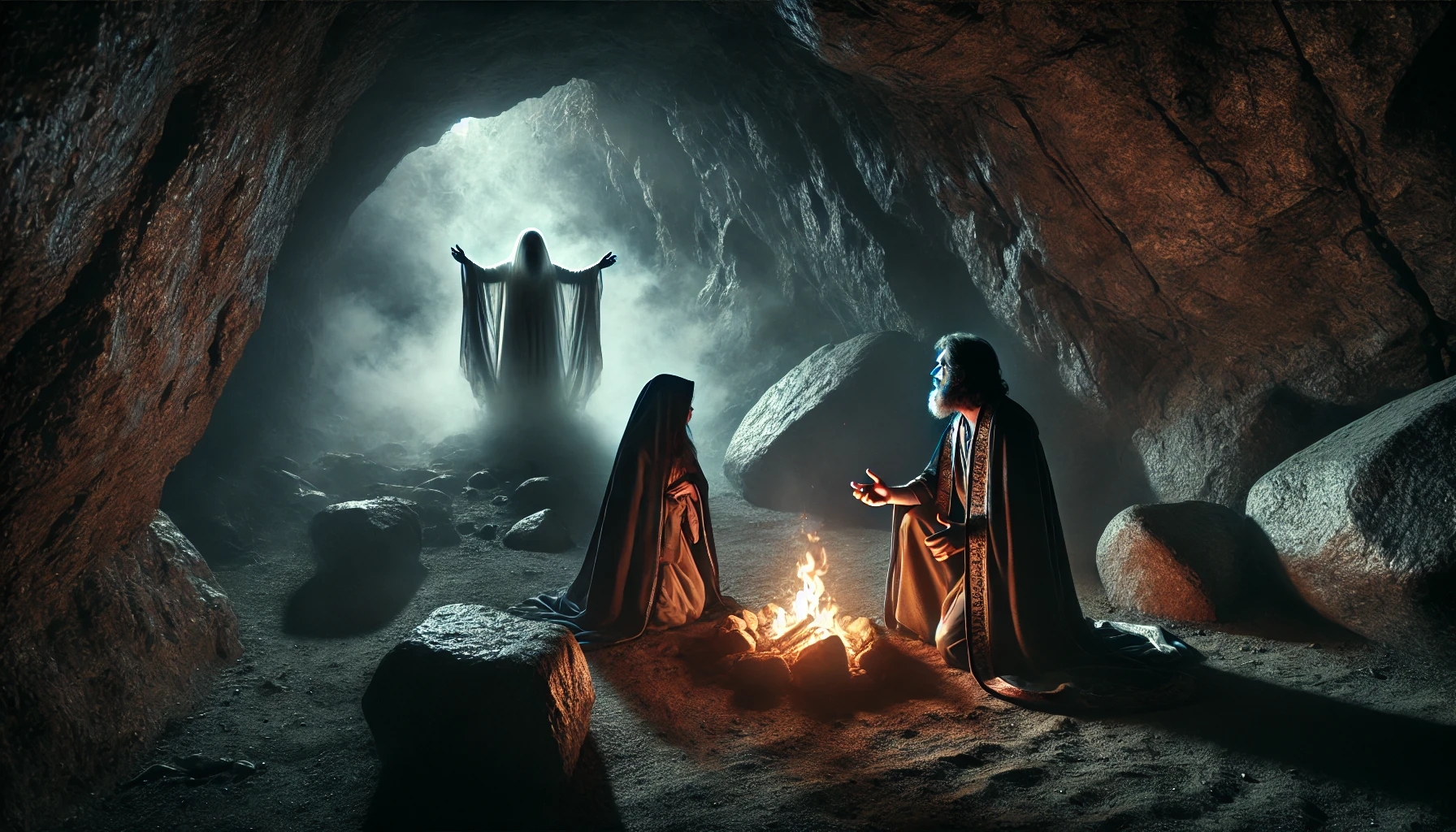
In his desperation, Saul seeks help—not from God, but from a spirit. He asks his servants about a medium, even though he himself had once banned such practices. They tell him of a woman in Endor. And so Saul sets out at night—disguised, hidden, like a shadow of himself.
The scene is eerie. The king of Israel goes to a woman whose work he himself had cursed, seeking what the living God will no longer tell him. He asks her to bring up Samuel. The woman does not know who stands before her—until Samuel appears, and she realizes with a scream: “You are Saul!”
What happens next is mysterious and unsettling. Samuel appears—whether by God’s permission or as a sign of judgment. He asks, “Why have you disturbed me?” Saul explains his distress. But Samuel brings no hope—only confirmation of judgment: “God has departed from you. Tomorrow you and your sons will be with me.”
Saul collapses—physically and inwardly. No strength, no comfort, no hope. Only a final meal prepared by the woman out of pity. A fattened calf—a king eating for the last time before meeting his fate.
He rises—and goes into the night.
⋯⋯⋯⋯⋯⋯⋯⋯⋯⋯◆⋯⋯⋯⋯⋯⋯⋯⋯⋯⋯
🧺 Summary
Saul, overwhelmed by fear and God’s silence, secretly visits a medium in Endor. There he has Samuel summoned, who proclaims only judgment: that the kingship will pass to David and that Saul and his sons will die the next day. Saul is shaken, weak, and desperate. The woman strengthens him with a meal, and then he goes into the night—toward destruction.
⋯⋯⋯⋯⋯⋯⋯⋯⋯⋯◆⋯⋯⋯⋯⋯⋯⋯⋯⋯⋯
🔦 Message for Us Today
When God is silent, many people stop waiting—and start fleeing.
This chapter issues a serious warning against spiritual self-deception. For years Saul ignored God’s voice, pushed prophets aside, and disregarded God’s instruction—now, in crisis, he expects help without genuine repentance.
The chapter shows: Whoever persistently rejects God’s voice should not be surprised if it one day no longer speaks. But it also shows that God was patient for a long time. Saul’s tragic end is not the result of a single mistake, but of a long history of resistance.
Saul’s search for supernatural help opens dark doors—and leads him not to rescue, but to the confirmation of his judgment. Even today, people are tempted to listen to other voices when God seems silent. But real answers come only from Him—sometimes through silence, sometimes through patience.
⋯⋯⋯⋯⋯⋯⋯⋯⋯⋯◆⋯⋯⋯⋯⋯⋯⋯⋯⋯⋯
📝 Reflection
-
How do you deal with God’s silence? Do you flee—or do you remain in trust?
-
Are there things you ignored in the past that God may now keep silent about to test your heart?
-
Where do you seek help: from people, from methods—or from God Himself?
-
Are you aware that the “silence of God” is often not rejection, but an invitation to repentance?
══════════ ✶ ✶ ══════════
📆 4–7 January 2026
📚 BELIEVE HIS PROPHETS
📖 Weekly Reading from the Spirit of Prophecy
📘 Ellen White | Patriarchs and Prophets
🔥 Chapter 54: Samson
✨ Called to deliverance—fallen through disobedience
🌐 Read online here
🔴 Blog 2
💪 Strength Without Stability
A strong man with a weak character
📍 Introduction
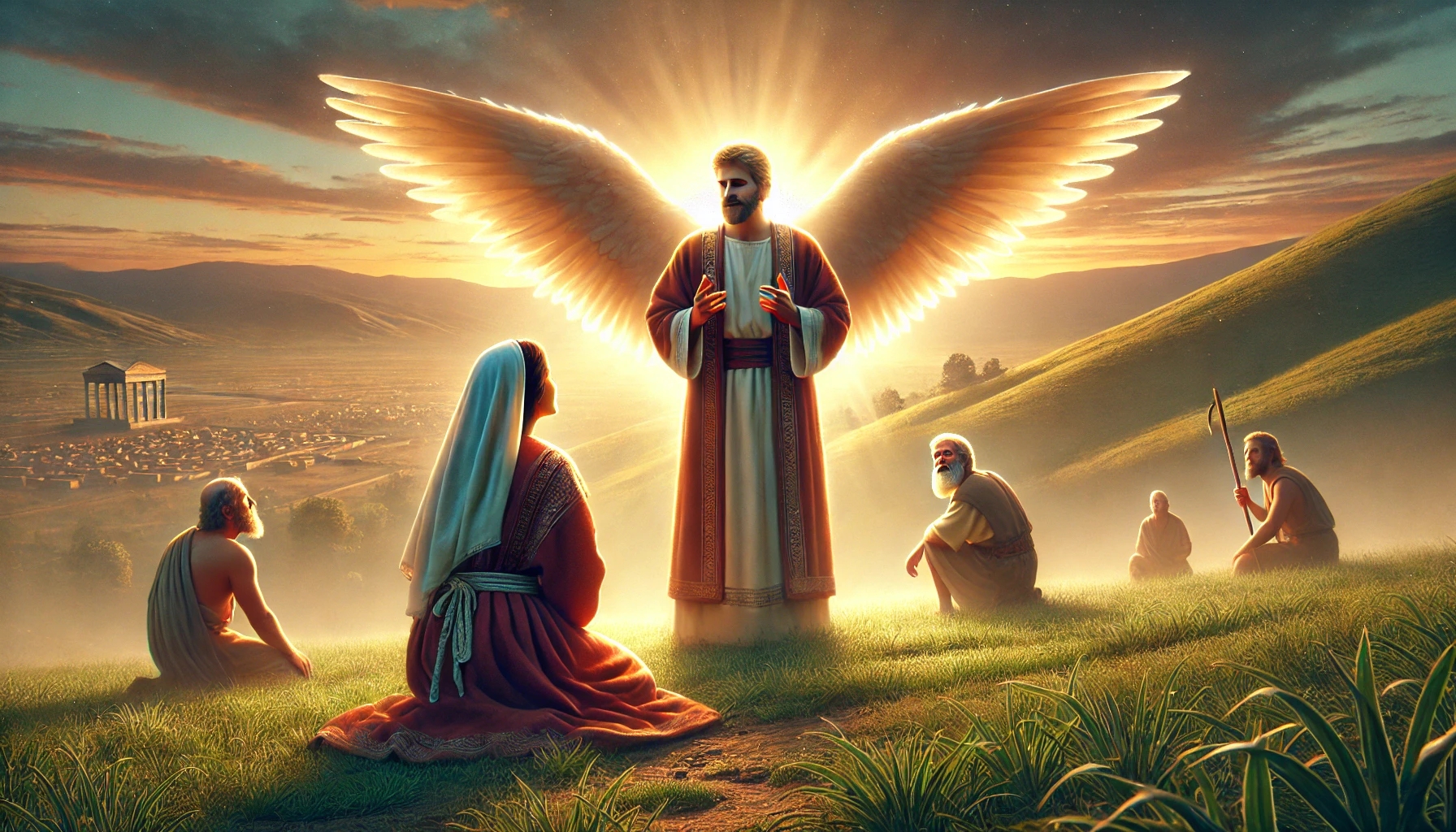
Samson’s supernatural strength made him famous—but his character was his greatest weakness. Just when he should have lived out his calling, he became entangled in personal passions.
⋯⋯⋯⋯⋯⋯⋯⋯⋯⋯◆⋯⋯⋯⋯⋯⋯⋯⋯⋯⋯
🧵 Commentary
Samson was strong—outwardly. He could tear lions apart, carry city gates, and defeat entire armies with primitive weapons. Yet the battle he kept losing was the true one: the battle against himself.
God had given him great strength, but also clear boundaries: no wine, no unclean food, no cutting of hair. But Samson often treated these commands as mere suggestions. His downfall began early—not through violence, but through lust and selfishness. He wanted to marry a woman from Timnah—a Philistine. His parents warned him, but Samson insisted on his feelings: “She pleases my eyes.”
He trusted his strength more than God’s word. His self-confidence became pride. He touched what was unclean, indulged his desires, and relied on the assumption that God would always rescue him. But true strength does not come from muscles—it comes from the heart.
⋯⋯⋯⋯⋯⋯⋯⋯⋯⋯◆⋯⋯⋯⋯⋯⋯⋯⋯⋯⋯
🧺 Summary
Samson’s strength was great—but not greater than his weaknesses. Without discipline, obedience, and spiritual roots, his strength became a danger to himself.
⋯⋯⋯⋯⋯⋯⋯⋯⋯⋯◆⋯⋯⋯⋯⋯⋯⋯⋯⋯⋯
🔦 Message for Us Today
Gifts without character lead to ruin. Our greatest danger often lies not in external enemies—but in inner carelessness. Strength without spiritual depth is like a house without a foundation.
⋯⋯⋯⋯⋯⋯⋯⋯⋯⋯◆⋯⋯⋯⋯⋯⋯⋯⋯⋯⋯
📝 Reflection
🔹 Am I strong in my gifting, but weak in obedience?
🔸 Do I trust more in my ability—or in God’s guidance?