✉️ FIRST AND SECOND CORINTHIANS
✝️ Lesson 2: The Message of the Cross
👑 2.4 A Messiah Crucified
✝️ God’s Wisdom in the Crucified Messiah
📖 1. Introduction
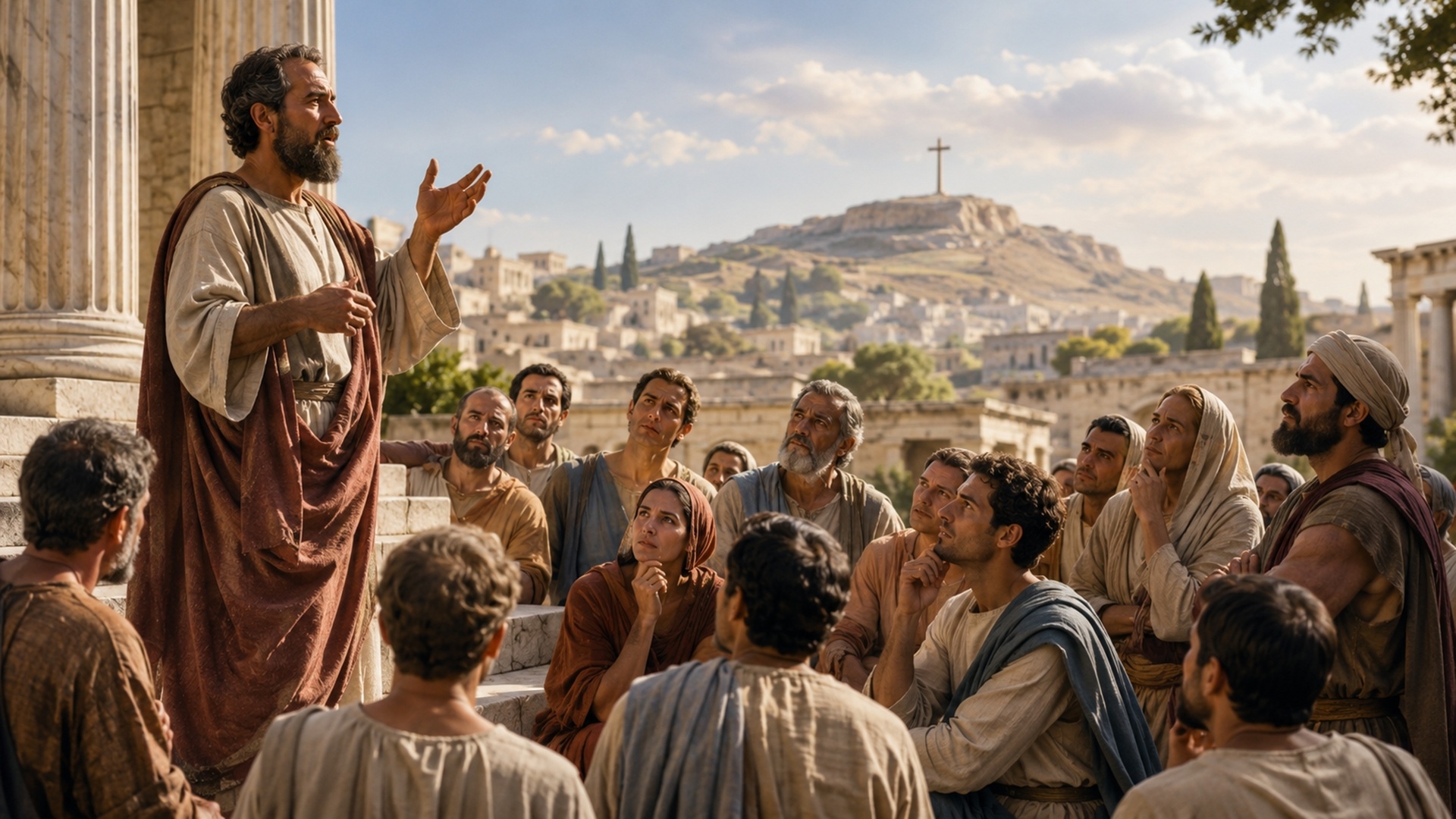
For many people in Paul’s time, the idea of a crucified Messiah was almost impossible to understand. The Jews expected a Messiah who would show power, perform signs, and free Israel from its enemies. The Greeks sought wisdom, philosophy, and convincing ideas. But Paul proclaimed Jesus Christ as the Crucified One. This message contradicted human expectations, yet precisely in it God revealed his true wisdom. The cross shows that God’s plan of salvation does not work according to human logic, but according to his love, grace, and power.
📜 2. The Biblical Foundation
Paul writes:
“The Jews demand signs and the Greeks seek wisdom.” 1 Corinthians 1:22
But then he says:
“But we preach Christ crucified, a stumbling block to the Jews and foolishness to the Greeks.” 1 Corinthians 1:23
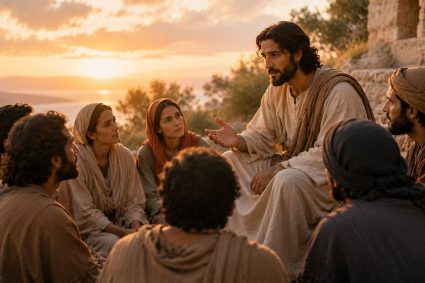
In Acts 13, Paul also proclaims the message of Jesus, his death, and his resurrection:
“Therefore let it be known to you, brothers, that through this man forgiveness of sins is proclaimed to you.” Acts 13:38
These verses show that the crucified Christ is not a sign of failure, but the way through which God grants forgiveness and redemption.
🌍 3. Connection to Our Time
Even today, many people expect God to act in a certain way. Some desire visible miracles, quick solutions, or clear proof. Others want a faith that fits completely into human logic. But God often acts differently than we expect. The cross reminds us that God’s ways are deeper than our ideas. Precisely when things appear weak, disappointing, or incomprehensible, God can fulfill his greatest plan. Therefore, we must learn not to judge God according to our expectations, but to trust him.
💡 4. Central Message of the Lesson
👉 The crucified Messiah shows that God’s wisdom often contradicts our expectations, yet precisely through the cross he grants forgiveness, redemption, and true life.
✝️ 5. Theological Focus
The central thought of this lesson is that Christ, as the crucified Messiah, reveals God’s wisdom. For many Jews, this message was a stumbling block because they expected a Messiah who would appear with visible power. A Messiah who suffers and dies did not fit their way of thinking.
The Jews expected signs. They wanted to see God’s power, perhaps in the form of liberation, judgment upon enemies, or visible glory. But the cross did not look like power. It looked like weakness, shame, and defeat. That is why it became a stumbling block for many.
The Greeks sought wisdom. They were shaped by philosophy, rhetoric, and intellectual depth. To them, the message of a crucified Savior did not sound like high wisdom, but like nonsense. A God who suffers, a Savior who dies, a victory through crucifixion — all this contradicted their idea of reason and greatness.
But Paul does not change his message in order to make it more pleasant. He preaches Christ, the Crucified One. He knew that this very message is the heart of the gospel. Without the cross there is no forgiveness, no reconciliation, and no salvation.
The cross shows that God’s power looks different from human power. People often associate power with control, rule, strength, and victory over others. God’s power is shown at the cross in love, surrender, sacrifice, and the willingness to bear guilt. This is a power that does not destroy, but saves.
The cross also shows that God’s wisdom is different from human wisdom. Human wisdom often seeks recognition, proofs, systems, and explanations. God’s wisdom is revealed in a plan of salvation that no human being would have invented: the Son of God takes the guilt of the world upon himself and dies for sinners.
The crucified Messiah also reveals the depth of sin. If the Son of God had to die in order to save us, then sin is not harmless. It is so serious that only Christ’s sacrifice could overcome it. The cross shows us what sin costs.
At the same time, the cross reveals the depth of God’s love. God did not remain far away. He did not wait until human beings could save themselves. In Christ, he came to us, took our guilt upon himself, and opened the way to forgiveness. Therefore, the cross is the greatest proof of divine love.
In Acts 13, Paul proclaims that forgiveness of sins is offered through Jesus. This means that the crucified Messiah is not merely a theological topic, but the only foundation of our hope. Through him, people may be freed from guilt and justified before God.
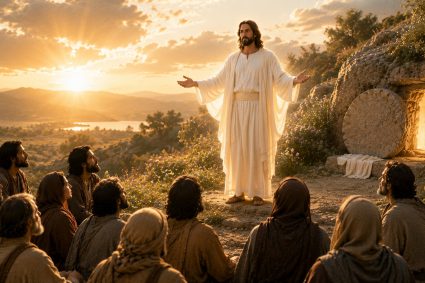
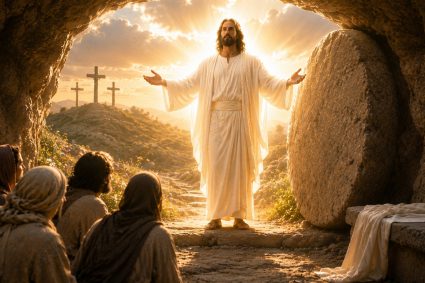
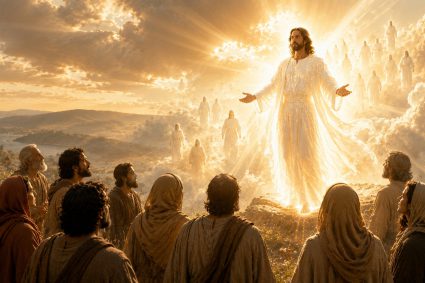
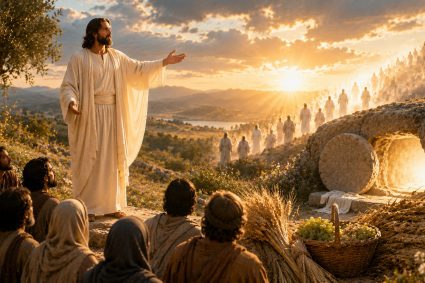
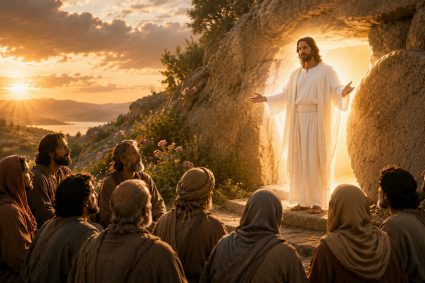
Therefore, the cross is not the end of the story, but the way to resurrection. Christ did not remain in the tomb. The Crucified One is the Risen One. Precisely for this reason, the cross is not a sign of defeat, but the beginning of God’s final victory over sin and death.
🌟 6. Spiritual Deepening
This lesson places before us a personal question: Am I willing to trust God even when he acts differently than I expected? The Jews expected a different Messiah. The Greeks expected a different wisdom. But God revealed his salvation in a way that broke through both expectations.
We too have expectations of God. Perhaps we expect him to solve problems quickly, open doors, heal sickness, end conflicts, or confirm our plans. Sometimes he does. But sometimes he leads us on a path we do not understand. The cross reminds us that God’s plan can be good even when, in the moment, it looks like weakness or disappointment.
The disciples themselves had difficulty understanding Jesus’ path of suffering. When Jesus spoke about his death, they were confused or frightened. They could hardly imagine that the Messiah should suffer and die. Only later did they recognize that this very path was God’s plan of salvation.
This comforts us when we do not immediately understand God’s ways. If even the disciples struggled to grasp the cross, then we too may honestly come to God with our questions. Faith does not mean always understanding everything. Faith means trusting God even when our understanding is limited.
The crucified Messiah teaches us humility. We cannot dictate to God how he must act. Our perspective is limited; God’s perspective is perfect. We often see only the pain of the moment; God sees the entire plan of redemption.
The cross also shows that God can work through apparent defeats. On Good Friday, it looked as though evil powers had won. But in reality, God was fulfilling his plan of salvation. What people saw as the end became the way of life.
This is very important for our lives. Sometimes we experience situations that feel like failure. A door closes. A prayer is not answered as we had hoped. A task becomes harder than expected. But the cross reminds us: God can also work through hidden, painful, and unexpected ways.
This truth protects us from a superficial faith that seeks only God’s blessing but does not want to accept God’s ways. True faith trusts not only when everything goes well, but also in the dark. The crucified Christ is the proof that God is present even in suffering.
The crucified Messiah also changes our understanding of greatness. In the world, someone is considered great if they are strong, successful, influential, and admired. In Christ, greatness is shown in surrender, obedience, love, and willingness to sacrifice. Whoever follows the crucified Messiah is called to a life of humility and service.
Paul proclaimed this message without shame. Although it was offensive to many, he held firmly to it. We too should not change the gospel so that it better matches human expectations. The cross remains the center.
When people today only want a successful, helpful, or pleasant Jesus, we must still proclaim Christ the Crucified. Without the cross, Jesus becomes one teacher among many. With the cross, we recognize him as Savior, Lord, and Redeemer.
This lesson invites us to let our thinking be shaped by the cross. God’s wisdom is deeper than our logic. God’s power is different from human power. God’s salvation does not come through human strength, but through Christ, the Crucified and Risen One.
🔧 7. Application in Daily Life
Practical steps:
- Trust God even when his ways are different from your expectations.
- Ask God to correct your ideas about power, success, and wisdom through the cross.
- Hold firmly to the crucified Christ as the center of your faith.
- Do not be discouraged when people do not immediately understand the gospel.
- Remember that God can also work through apparent weakness.
- Bring your disappointments and questions honestly to God.
- Learn from Jesus humility, surrender, and willingness to sacrifice.
- Proclaim Christ not according to the taste of the world, but faithfully as the Crucified and Risen One.
❓ 8. Reflection Question
Where do I expect God to act according to my ideas instead of trusting him also on unexpected paths?
🌟 9. Closing Thought
A crucified Messiah was difficult for Jews and Greeks to accept because he contradicted their expectations. Yet precisely in the cross God revealed his greatest wisdom and his deepest love. Christ did not become Savior despite the cross, but precisely through his death and resurrection. The cross shows us that God’s ways are often different from ours, but always remain directed toward redemption and grace. When our life does not unfold as we had planned, we may trust the God who brought victory even out of the cross. The crucified Messiah is God’s wisdom, God’s power, and our hope.
“But we preach Christ crucified.” 1 Corinthians 1:23 ✨👑✝️🙏