

📅 June 10, 2026
📚 BELIEVE HIS PROPHETS
📖 Daily Bible Reading: 🧱 Nehemiah 7
📋 Preserving what has been built
✨ When responsibility begins after success
🌐 Read online here
📍 Introduction
After 52 days of hard work, the wall of Jerusalem is finished. But Nehemiah knows that the actual mission is not yet complete. Walls can protect a city, but they do not yet make it alive. Therefore, Nehemiah chapter 7 is no longer about building, but about securing, organizing, and shaping the future of Jerusalem.
⋯⋯⋯⋯⋯⋯⋯⋯⋯⋯◆⋯⋯⋯⋯⋯⋯⋯⋯⋯⋯
🧵 Commentary
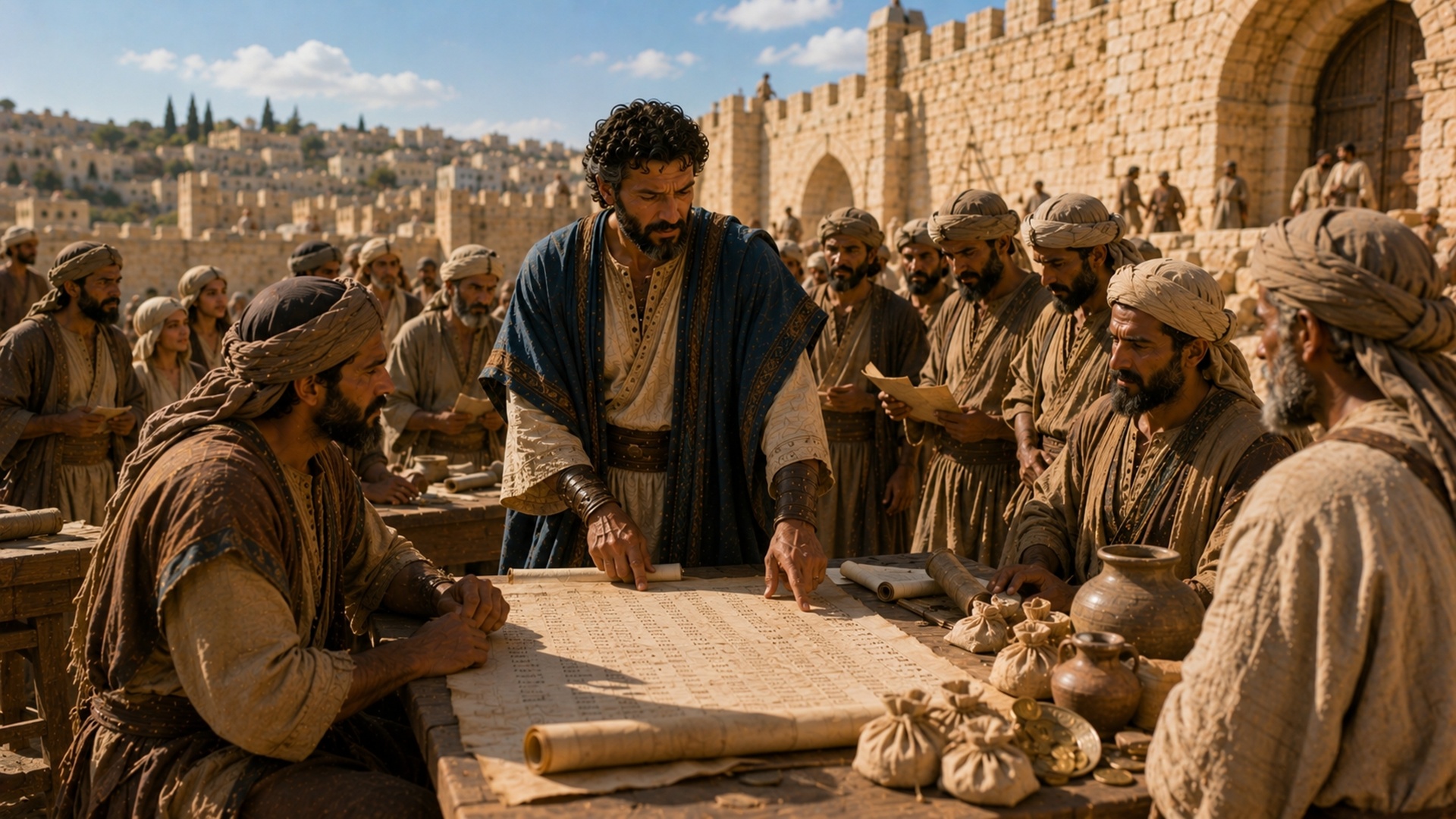
After the wall is completed and the gates are installed, Nehemiah immediately begins organizing the city. He knows that protection does not come only through stones and gates, but through faithful people who take responsibility.
That is why he appoints gatekeepers, singers, and Levites. Each one receives a task. The selection of leaders is especially important to him. He does not simply entrust responsibility to the most influential people, but to those who are distinguished by faithfulness and the fear of God.
Among them are Hanani, Nehemiah’s brother, and Hananiah, a man described as reliable and God-fearing. For Nehemiah, character matters more than position.
Jerusalem is now protected, but the city still has a problem. The walls are standing, yet only a few people live inside the city. Many houses have not yet been rebuilt, and large parts of Jerusalem seem empty.
As Nehemiah thinks about the future of the city, God places something on his heart. He begins to record the families and their origins. In doing so, he finds the register of the first returnees who had come back from Babylon decades earlier.
A long list of names, families, and numbers follows. At first glance, it may seem unremarkable. But it reminds the people where they came from and how God brought them back from exile.
Every name tells a story of faith, courage, and hope. These people had left their security behind in order to follow God’s call. They were the foundation for everything that is now happening in Jerusalem.
The list also makes it clear that God forgets no one. What for others are only names on a document are, for God, people with a story, a calling, and a place in His plan.
At the end of the chapter, the voluntary gifts for God’s work are mentioned again. The people take part in the rebuilding and contribute to the growth of the community.
Nehemiah understands that a work of God does not end when it is completed. After building comes preservation. After success comes responsibility. That is why he makes sure that the city has not only strong walls, but also a strong spiritual and social foundation.
⋯⋯⋯⋯⋯⋯⋯⋯⋯⋯◆⋯⋯⋯⋯⋯⋯⋯⋯⋯⋯
🧺 Summary
Nehemiah 7 describes the organization of Jerusalem after the completion of the wall. Nehemiah appoints trustworthy leaders, provides for security, and reminds the people of their origin and God’s faithfulness through the lists of the returnees.
⋯⋯⋯⋯⋯⋯⋯⋯⋯⋯◆⋯⋯⋯⋯⋯⋯⋯⋯⋯⋯
🔦 Message for us today
It is not enough to build something — it must also be preserved. God seeks people who do not only begin with enthusiasm, but faithfully take responsibility and protect what He has entrusted to them.
⋯⋯⋯⋯⋯⋯⋯⋯⋯⋯◆⋯⋯⋯⋯⋯⋯⋯⋯⋯⋯
📝 Reflection Prompt
What has God already built in your life that now needs your attention, care, and faithfulness?
════════ ✶ ✶ ════════
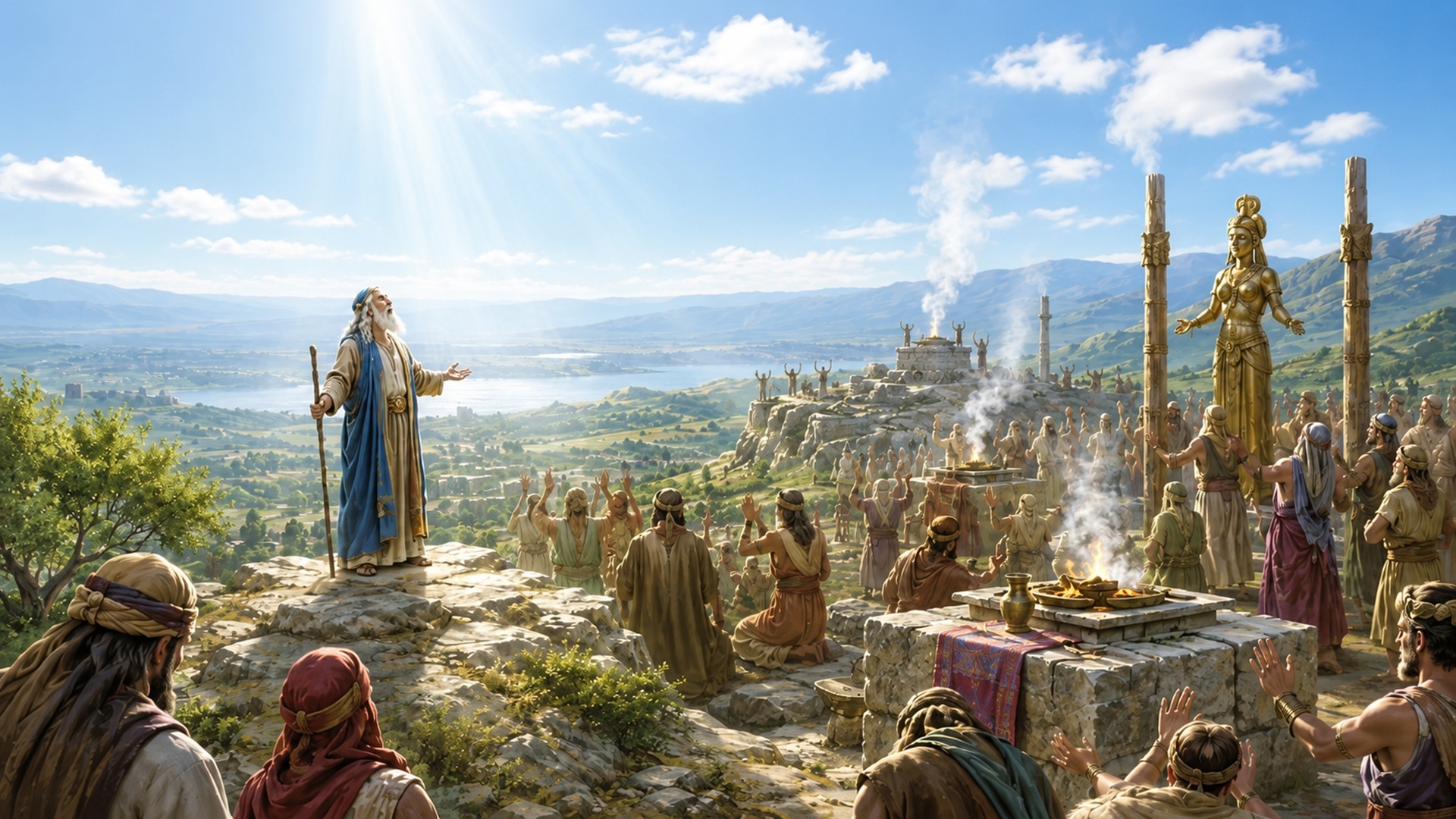
📆 June 7–13, 2026
📚 BELIEVE HIS PROPHETS
📖 Weekly Reading from the Spirit of Prophecy
👑 Ellen White | Prophets and Kings
🔥 Chapter 8: National Apostasy
✨ From Worshiping God to Idolatry
🌐 Read online here
📘 Blog 4: ⚖️ When trust weakens ⚖️
A good beginning does not guarantee a good ending
📍 Introduction
Even faithful people remain dependent on God. This becomes visible in Asa’s later life.
⋯⋯⋯⋯⋯⋯⋯⋯⋯⋯◆⋯⋯⋯⋯⋯⋯⋯⋯⋯⋯
🧵 Commentary
Years after his great victories of faith, Asa comes under pressure again. This time he does not trust in God, but seeks help from a foreign king.
The plan seems successful. But God sees deeper. Through the prophet Hanani, Asa is shown that his trust is no longer where it once was.
Instead of accepting the correction, Asa reacts angrily. The prophet is imprisoned.
Later Asa becomes seriously ill. Again, he does not seek God first. Finally, his life comes to an end.
His story shows that past victories are no guarantee of future faithfulness.
⋯⋯⋯⋯⋯⋯⋯⋯⋯⋯◆⋯⋯⋯⋯⋯⋯⋯⋯⋯⋯
🧺 Summary
- Asa relies at times on human help.
- He rejects divine correction.
- The end of his life is overshadowed.
⋯⋯⋯⋯⋯⋯⋯⋯⋯⋯◆⋯⋯⋯⋯⋯⋯⋯⋯⋯⋯
🔦 Message for us today
No one outgrows the need for humility.
⋯⋯⋯⋯⋯⋯⋯⋯⋯⋯◆⋯⋯⋯⋯⋯⋯⋯⋯⋯⋯
📝 Reflection Prompt
How do I react when God corrects me?