


🟦 Introduction
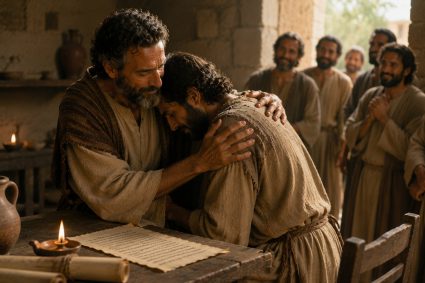
Every person experiences times of failure, guilt, and spiritual distance from God. But the good news of the gospel is that God does not give up on us; instead, He lovingly calls us to repentance. Through the work of the Holy Spirit, we recognize our sin and are invited to come to Christ with sincere remorse. There we find forgiveness, acceptance, and the grace that transforms our lives. This lesson shows that true repentance does not end in feelings of guilt, but leads to a renewed relationship with God. It reminds us that Christ clothes us with His perfect righteousness and gives us a new beginning every day.
🌱
🌱 GROWING IN A RELATIONSHIP WITH GOD
💧 Lesson 10: Repentance and Forgiveness
📘 10.1 The Rush of Life
When the Urgent Crowds Out the Important
📖 1. Opening Thought
Modern life is marked by busyness, schedules, and constant obligations. Often, it is not even bad things that demand our attention, but necessary and meaningful tasks. Yet precisely because of this, the danger arises that fellowship with God is pushed to the margins. The story of this woman shows how easily even a beloved Sabbath can become filled with activities while time with Jesus is lost. Therefore, the lesson asks an important question: What truly has priority in our lives?
📜 2. The Biblical Foundation
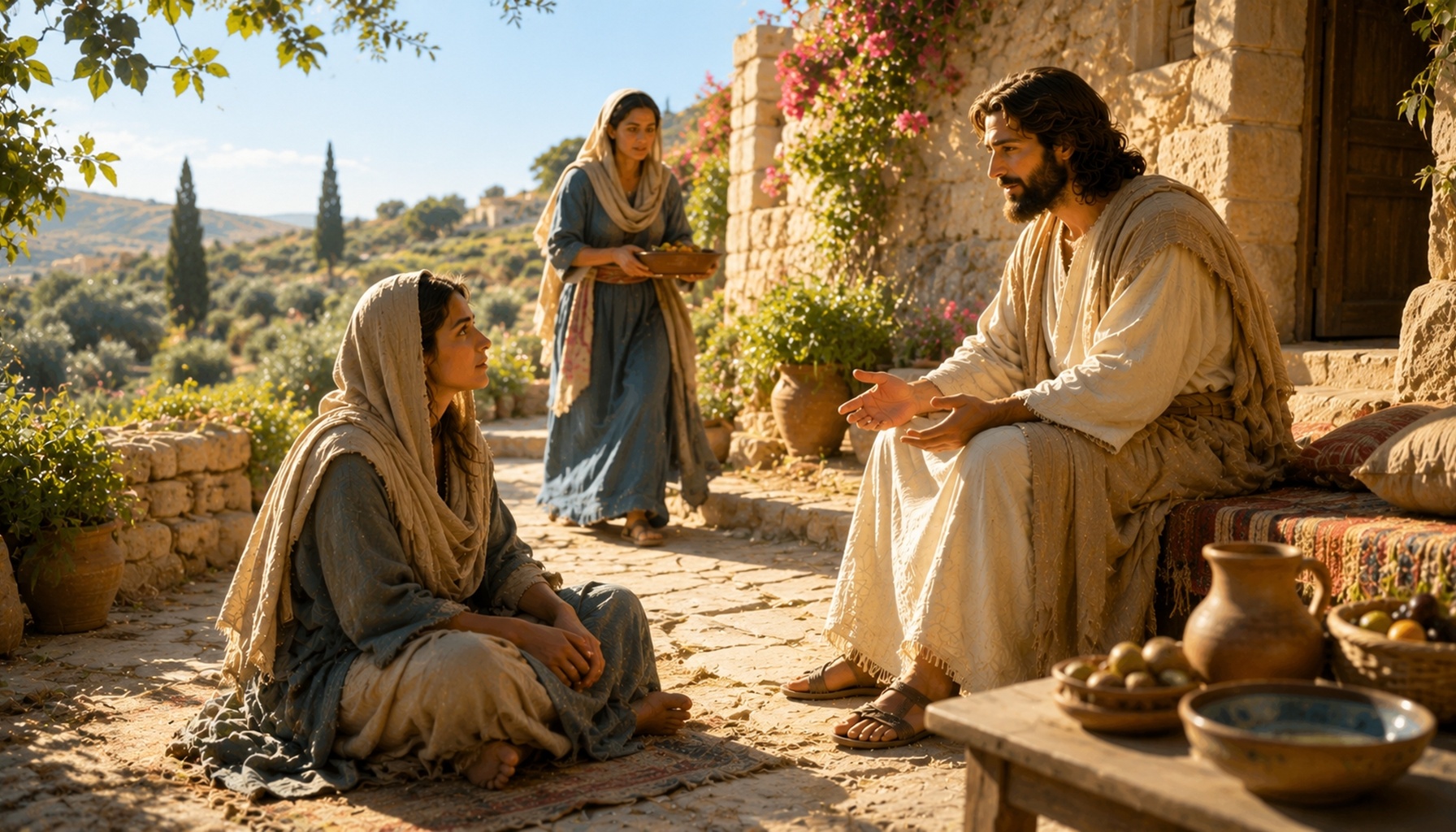
The experience immediately recalls the story of Martha and Mary in Luke 10:38–42. Martha was busy serving Jesus, while Mary sat at His feet and listened to His words. Jesus did not rebuke Martha for her service, but for her worry and unrest over many things. He declared:
“But one thing is needed.”
Mary had recognized that fellowship with Christ is more important than any other activity. This truth forms the foundation of the entire lesson.
🌍 3. Connection to Today
Many Christians experience the same challenge as Martha. Work, family, household responsibilities, church duties, social media, and numerous obligations fill everyday life. Often, by the end of the day, there is hardly any time left for prayer, Bible study, or quiet fellowship with God. The problem is not always open sin, but an overfilled life. The enemy does not necessarily have to lead us away from God; sometimes it is enough to keep us constantly busy.
💡 4. Central Message of the Lesson
👉 A living relationship with God must never take second place behind the demands of everyday life, because fellowship with Christ is life’s highest priority.
✝️ 5. Theological Focus
The lesson touches on a fundamental spiritual principle: human beings were created for fellowship with God. Even in the Garden of Eden, God regularly sought closeness with humanity. Sin brought separation, but God’s plan of redemption aims to restore this relationship.
The Sabbath plays a special role in this context. It is not only a day of rest, but a divine gift for relationship. Every week, God invites human beings to step out of the cycle of work, performance, and worries and to realign themselves with Him. The Sabbath reminds us that our worth does not depend on what we achieve, but on who we are in Christ.
The woman in the story recognized that her many activities had led her away from the true purpose of the Sabbath. This is not about a list of permitted or forbidden activities. The deeper question is: What occupies first place in our hearts?
Jesus made it clear:
“Seek first the kingdom of God.”
(Matthew 6:33)
The order is decisive. God should not merely be a part of our lives, but the center of them. When Christ holds first place, all other areas also find their proper place. But when He is pushed to the margins, even good things lose their proper order.
🕊️ 6. Spiritual Deepening
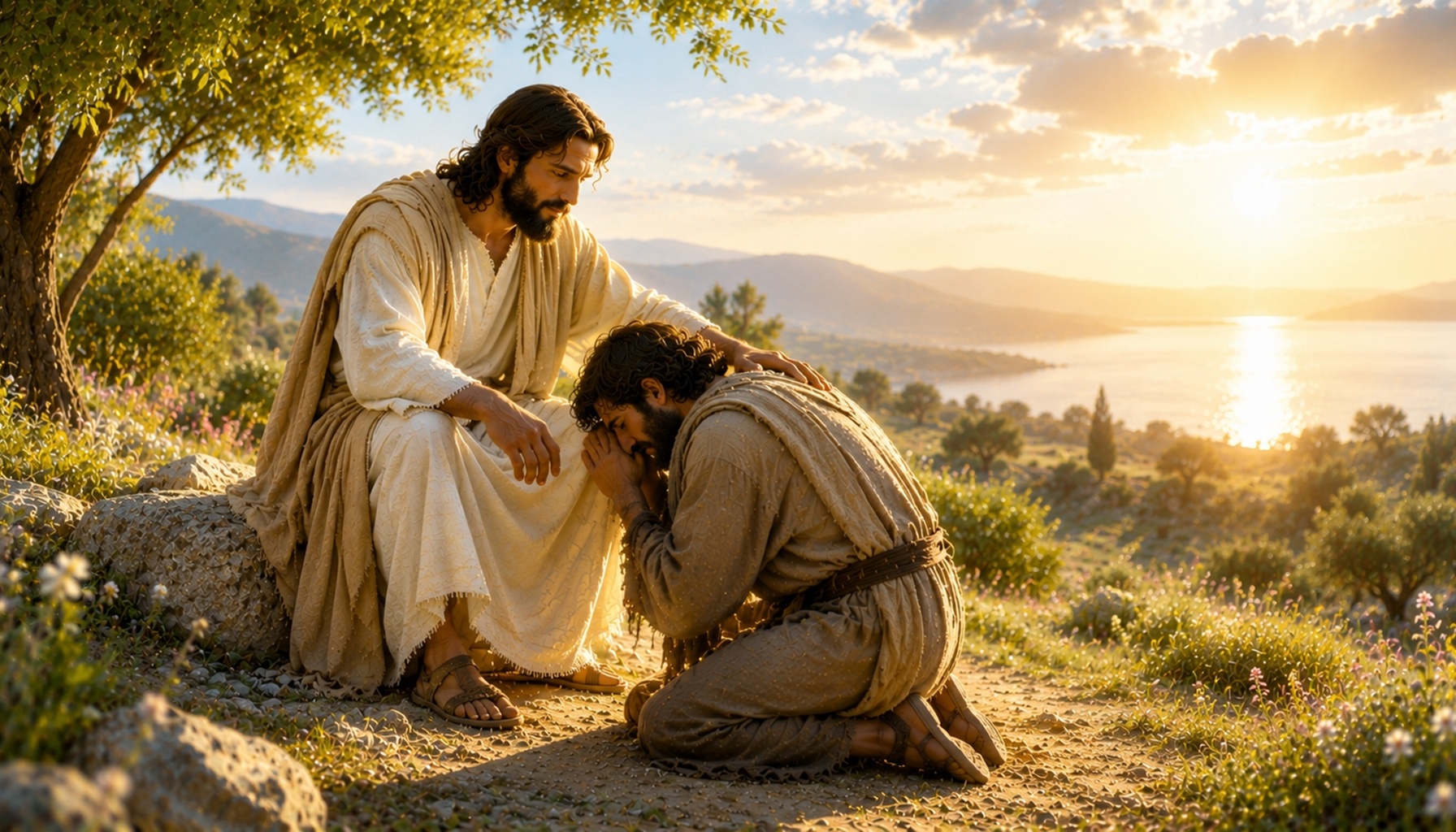
Especially moving is the moment when the woman recognizes her own spiritual condition. She is not convicted by an outward accusation, but by the gentle voice of God in her heart. This recognition does not lead her to despair, but to repentance.
Here the gospel becomes visible. The Bible teaches that our own righteousness is never sufficient:
“All our righteousnesses are like filthy rags.”
(Isaiah 64:6)
Even our best efforts cannot bring us closer to God. That is why Christ offers us something we could never produce ourselves: His own righteousness.
Zechariah 3 describes this wonderful image. The filthy garments are taken off the sinful person, and new garments are put on. Isaiah 61:10 speaks of the “garment of salvation” and the “robe of righteousness.” These images point to Jesus, who bears our guilt and gives us His perfection.
The woman recognizes her distraction and her failure. But Christ does not meet her with condemnation. He meets her with grace. This is the hope of every Christian. We do not grow through perfection, but by returning to Christ again and again. True spiritual maturity does not mean never slipping, but quickly recognizing when something comes between us and God, and immediately returning to Him.
🔧 7. Application in Daily Life
Practical questions for everyday life:
- Begin the day with God before other tasks claim your attention.
- Consciously plan times for prayer and Bible study.
- Use the Sabbath as a time of spiritual renewal.
- Regularly examine which things weaken your relationship with God.
- Do not only ask whether something is wrong, but also whether it brings you closer to Christ.
❓ 8. Reflection Question
Which activities or obligations currently take up so much space in my life that my fellowship with God suffers?
🌟 9. Closing Thought
The greatest danger to spiritual life often does not lie in obvious rebellion against God, but in allowing the urgent to crowd out the most important. Jesus invites us again and again, like Mary, to sit at His feet and place His presence above all other things.
👉 Whoever puts Christ first will discover that no task is more important than fellowship with Him.