

🟦 Introduction
Lesson 3 focuses on the unity of the church in Christ. Paul shows that the formation of factions, conflict, and the overvaluation of human leaders weaken the church and distract it from its true center. That center is not Paul, Apollos, or any other person, but Jesus Christ, who was crucified for us. True spiritual maturity is revealed when we do not seek human wisdom, recognition, or power, but serve in the spirit of Christ. The cross teaches us humility, devotion, and selfless love. This lesson invites us to refocus our relationships, our service, and our church on Christ.
✉️
✉️ FIRST AND SECOND CORINTHIANS
🤝 Lesson 3: Unity in Christ
⚠️ 3.1 The Problem of Cliques in the Church
🧩 Christ unites where human parties divide
📖 1. Introduction to the Topic
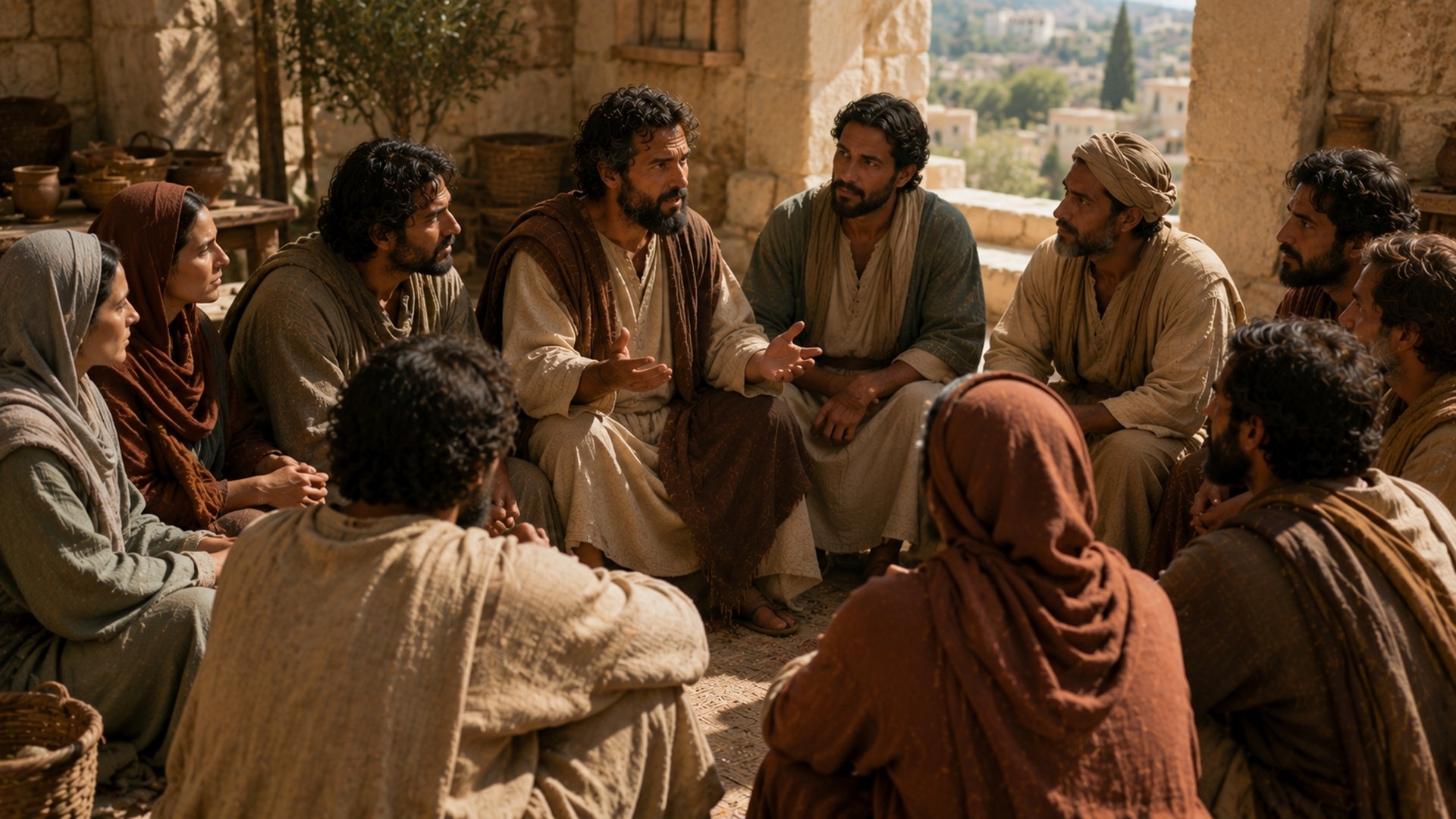
The church in Corinth faced not only moral and doctrinal problems, but also a serious problem of division. Some church members aligned themselves with certain leaders and said, “I belong to Paul,” others, “I belong to Apollos,” still others, “I belong to Cephas,” or “I belong to Christ.” As a result, the church did not become stronger, but was torn apart from within. Paul responds very seriously because factionalism attacks the very nature of the church. The church does not belong to human leaders, but to Christ alone. When people gather around personalities, preferences, or opinions, the cross is pushed out of the center.
📜 2. The Biblical Foundation
Paul writes:
“I appeal to you, brothers and sisters, in the name of our Lord Jesus Christ, that all of you agree with one another and that there be no divisions among you, but that you be perfectly united in mind and thought.” 1 Corinthians 1:10
Then he describes the problem:
“What I mean is this: One of you says, ‘I follow Paul’; another, ‘I follow Apollos’; another, ‘I follow Cephas’; still another, ‘I follow Christ.’” 1 Corinthians 1:12
And Paul asks:
“Is Christ divided? Was Paul crucified for you? Were you baptized in the name of Paul?” 1 Corinthians 1:13
These questions clearly show that no human being may take the place that belongs to Christ alone.
🌍 3. Connection to Our Time
Factionalism can still weaken churches today. People sometimes gather around certain preachers, leaders, musical styles, opinions, traditions, or personal preferences. Healthy appreciation can quickly develop into a partisan spirit. Then the question is no longer, “What honors Christ?” but rather, “Who is right? Who belongs to our group? Who thinks like us?” Such attitudes destroy trust, love, and unity. Paul reminds us that the church is not founded on human sympathies, but on Jesus Christ, the Crucified One.
💡 4. Central Message of the Lesson
👉 Factionalism destroys the unity of the church because it places people at the center; true unity arises only where Christ and His cross stand above all human parties.
✝️ 5. Theological Focus
The first important emphasis is that unity belongs to the calling of the church. Paul does not begin his appeal with a personal opinion, but “in the name of our Lord Jesus Christ.” In this way, he makes it clear that unity is not merely a good idea, but a spiritual calling under the lordship of Jesus.
The church in Corinth was divided because different groups formed around different leaders. Paul, Apollos, and Cephas were servants of God, but some church members turned them into symbols of rival parties. The problem therefore did not lie with the leaders themselves, but with the wrong attitude of the church.
Paul asks three powerful questions: “Is Christ divided? Was Paul crucified for you? Were you baptized in the name of Paul?” The answer is clearly the same each time: no. These questions lead the church back to the center of faith. It was not Paul, Apollos, or Cephas who was crucified for them, but Christ.
The cross is the foundation of unity. At the cross, Christ reconciled people to God and to one another. It is therefore contradictory for Christians to divide precisely where Christ has united them. Those who understand the cross cannot treat divisions lightly.
Factionalism is dangerous because it shifts the identity of believers. Christians are not defined primarily by a preacher, a group, a tradition, or an opinion, but by Christ. When human affiliations become more important than Christ, the spiritual order is distorted.
Paul uses strong terms such as “division” and “quarreling.” This shows that the matter is not a minor problem. In the Bible, quarrels often belong to the works of the flesh and stand in opposition to life in the Spirit. Where conflict and party spirit prevail, the spiritual life of the church is damaged.
Another theological emphasis is that human leaders are only servants. God may use different people with different gifts, but none of them is the foundation of the church. Christ alone is the foundation. Leaders may be appreciated, but they must not be idolized.
The church is the body of Christ. When a body tears itself apart, it cannot function in a healthy way. Unity, however, does not mean uniformity. It does not mean that everyone must think, feel, or serve in exactly the same way. It means that all differences are submitted to Christ.
Paul’s solution is not to devalue all leaders, but to exalt Christ. When Christ becomes great, human parties lose their power. When the cross is at the center, pride is broken and the church can come together again.
🌟 6. Spiritual Deepening
Factionalism often begins not visibly, but in the heart. It begins when I consider my opinion, my taste, my group, or my favorite leader more important than unity in Christ. At first it may appear harmless, but over time mistrust, comparison, and separation develop.
We can love and appreciate leaders without turning them into the basis of a party. This is important. Paul was not opposed to spiritual leadership. He himself was a leader and an apostle. But he did not want people to tie their spiritual identity to him. A true servant of Christ does not lead people to himself, but to Jesus.
This is also a test for our churches today. Do we promote a culture in which Christ is at the center, or a culture in which people compete for influence? Do we speak more about our preferences and disappointments than about the gospel? Do our words build unity, or do they reinforce division?
Cliques often arise from pride. One group considers itself more spiritual, more faithful, more modern, more traditional, wiser, or more important than others. But the cross leaves no room for arrogance. Before the cross, everyone stands as a person in need of grace.
Factionalism can also arise from insecurity. People seek belonging and protection within small circles. Fellowship is good in itself, but it becomes dangerous when it excludes others or sets itself against the rest of the church. Christian fellowship must never become spiritual isolation.
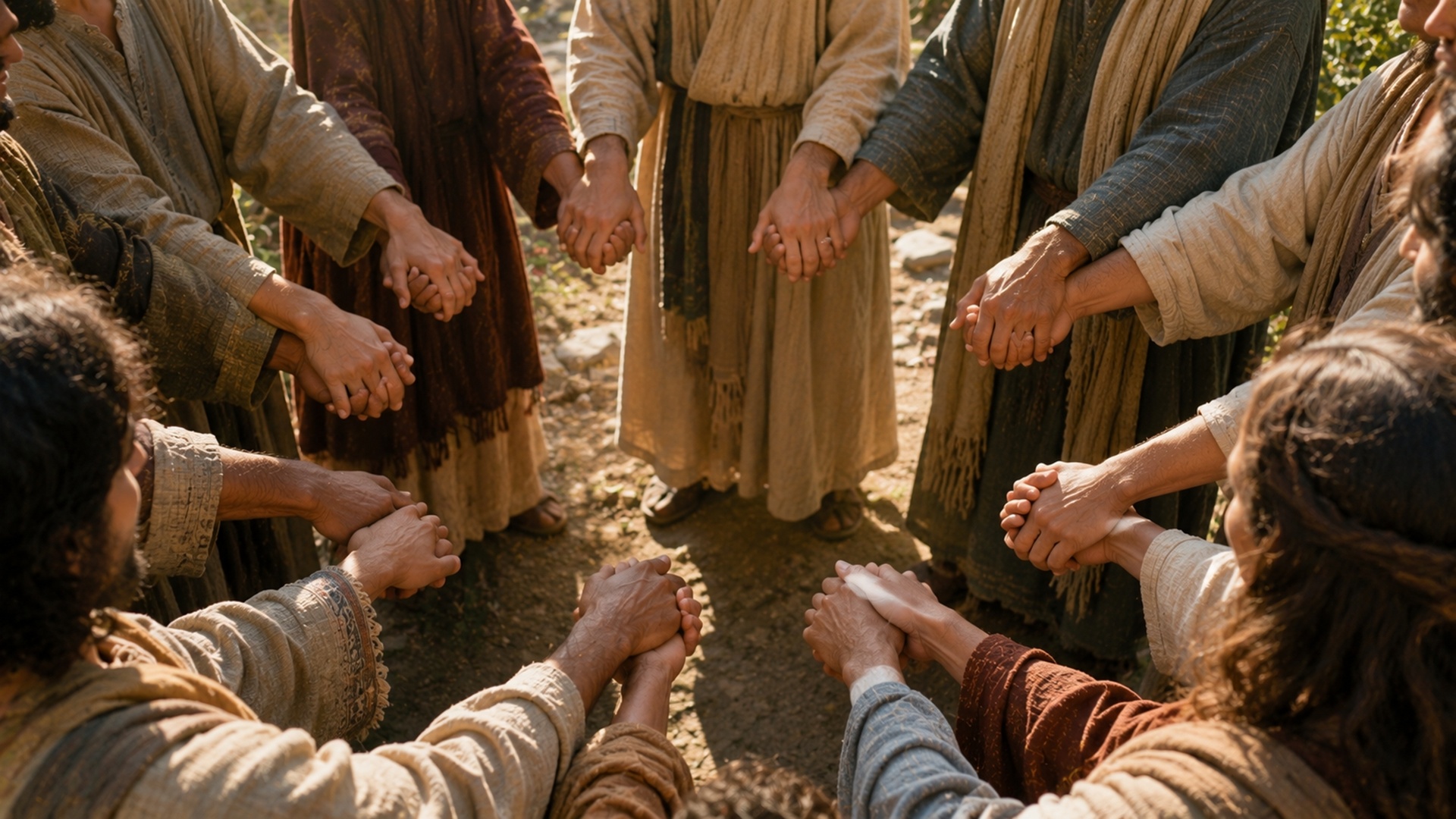
Paul calls the Corinthians to be “perfectly united.” This image reminds us that broken relationships must be restored. Unity does not happen automatically. It requires humility, forgiveness, willingness to communicate, and a shared return to Christ.
The cross helps us let go of our ego. Many conflicts in churches arise because people want to be right, to be noticed, or to impose their own will. But Jesus walked the path of self-denial. Those who follow Him cannot remain permanently ruled by their own pride.
Unity does not mean ignoring problems. Paul names the problem clearly. Genuine unity does not arise by remaining silent about sin or wrong attitudes, but through truth spoken in love. Sometimes division must be addressed openly so that healing can take place.
The church needs different gifts, personalities, and perspectives. But diversity becomes a blessing only when it serves Christ. Without Christ, diversity quickly turns into competition. With Christ, diversity becomes an expression of His body.
This lesson invites us to examine our speech. Do we speak in a way that brings others closer to Christ and to one another? Or do we feed division through criticism, comparison, and favoritism? Words can build bridges or erect walls.
The unity of the church is also a witness to the outside world. A divided church appears unconvincing when it speaks about love. But a church that remains united in Christ despite its differences demonstrates the power of the gospel.
Therefore, the question is not only: Was there factionalism in Corinth? The question is: Where does it exist in my heart, in my church, and in my behavior? God calls us not to be part of the problem, but part of the healing.
🔧 7. Application in Daily Life
Practical steps:
- Examine whether you identify more strongly with a group, an opinion, or a person than with Christ.
- Speak appreciatively about leaders, but do not place any human being on a spiritual throne.
- Avoid words that promote mistrust, conflict, or party spirit.
- Seek conversation when tensions or misunderstandings arise.
- Pray intentionally for unity in your church.
- Ask God for humility, forgiveness, and a reconciled heart.
- Rejoice in different gifts and personalities without turning them into competition.
- When conflict arises, ask first: What honors Christ and builds up the church?
❓ 8. Reflection Question
Where am I tempted to rely on people, preferences, or groups instead of seeking my identity and unity in Christ alone?
🌟 9. Closing Thought
For Paul, the formation of factions in Corinth was a serious spiritual problem because it pushed Christ out of the center. The church must not gather around human leaders or personal preferences, but around the crucified Lord. Paul reminds the believers that Christ is not divided and that Christ alone was crucified for them. Where the cross is truly understood, pride, competition, and party spirit lose their power. The church today also needs this return to Christ. He alone unites where human parties divide.
“Is Christ divided? Was Paul crucified for you?” 1 Corinthians 1:13 ✨⚠️🧩✝️