👤 The Biblical Person of the Day
⚔️ Barak – the military leader who needed encouragement
📌 Profile
- Name: Barak
- Time of birth: Period of the Judges
- Place of birth: Kedesh in Naphtali
- Time of death: unknown
- Age: unknown
- Occupation: military leader of Israel
📖 Short Story
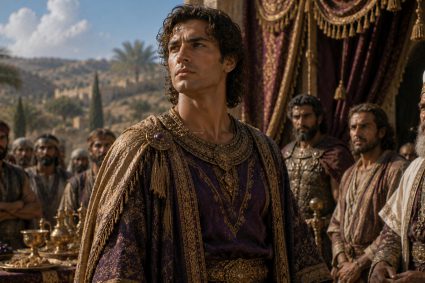
Barak lived during the period of the Judges, a time when Israel was repeatedly oppressed by its enemies. In his days, the people suffered under the rule of Jabin, king of Canaan, and Sisera, the commander of his army.
The oppression was severe, because Sisera had a powerful army with many iron chariots. To Israel, this force seemed threatening and almost impossible to defeat.
In this situation, the prophetess Deborah spoke to Barak. She reminded him that God had called him to lead the people against Sisera.
Barak heard the command, but he did not want to go alone. He told Deborah that he would go only if she accompanied him.
This response shows that Barak was willing to take responsibility, but he needed encouragement and support.
Deborah went with him, although she announced that the glory of the victory would not belong to Barak alone. In the end, Sisera was defeated by Jael.
Barak’s story shows that God also uses people who are not completely fearless. It makes clear that courage sometimes grows through encouragement.
🔥 The Decisive Moment
Barak obeys God’s command, although only with Deborah’s support, and still leads Israel to an important victory.
✨ Seven Special Facts About Barak
- He lived during the period of the Judges.
- He came from Kedesh in Naphtali.
- Deborah called him to battle.
- He led Israel against Sisera.
- He needed encouragement and support.
- He witnessed God’s victory over a superior army.
- He is mentioned in the New Testament among the heroes of faith.
⚖️ Strengths and Weaknesses
✔ obedient
✔ courageous after receiving encouragement
✔ willing to take responsibility
✔ able to learn
❌ hesitated at first
❌ needed Deborah’s visible presence
❗ The Mistake That Shaped His Life
Barak hesitated to accept God’s command on his own and made his participation dependent on Deborah’s presence.
➡️ His story shows that God can also use hesitant people, but their trust needs to grow.
📜 Key Verse
“If you go with me, I will go; but if you do not go with me, I will not go.” (Judges 4:8)
🧠 Life Lesson
Courage does not always mean being without fear; sometimes courage means taking the next step despite uncertainty.
🎯 Application for Today
Needing encouragement is not a sign of complete weakness. What matters is that, despite your uncertainty, you face the right calling.
❓ A Question for You
In what area do you need encouragement today to take a step that has been before you for a long time?
📌 Context
Barak lived during the period of the Judges, when Israel was threatened by the Canaanites.
🔗 Connection
Barak worked closely with the prophetess Deborah and led Israel against Sisera, the commander of Jabin’s army.
Conclusion:
Barak shows that God also uses people who need encouragement, as long as they are willing to respond to His calling.
See you tomorrow with the next biblical person! 📖

✨ His Life Story ✨
✨ The Life Story of Barak – Courage That Grows Through Encouragement ✨
🌄 A Time of Oppression
Barak lived during a difficult period in Israel’s history. Once again, the people had fallen under the rule of foreign powers and were suffering under the pressure of the Canaanites.
Jabin, king of Canaan, and Sisera, the commander of his army, had severely oppressed Israel. Sisera’s iron chariots made the threat especially great and caused Israel’s military situation to appear almost hopeless.
In this atmosphere of fear, pressure, and helplessness, Barak was called to a task greater than his own strength.
🕊️ The Call Through Deborah
Deborah was a judge and prophetess in Israel. She listened to God’s direction and spoke clearly during a time when the people needed guidance.
She sent for Barak and reminded him of God’s command. Barak was to gather men from Naphtali and Zebulun and march against Sisera.
This calling was not only difficult from a military point of view, but also spiritually challenging. Barak had to decide whether he would trust God’s word more than the visible superiority of the enemy.
⚖️ Between the Calling and Uncertainty
Barak heard the command, but his response revealed his uncertainty. He was willing to go, but only if Deborah went with him.
This reaction makes him relatable and human. Barak was not a hero who moved forward without hesitation. He needed the presence of someone who had clearly heard God’s word.
His hesitation was a weakness, but it did not stop him completely. He did not remain motionless; instead, he accepted the encouragement he received and finally set out.
⚔️ The Road to Battle
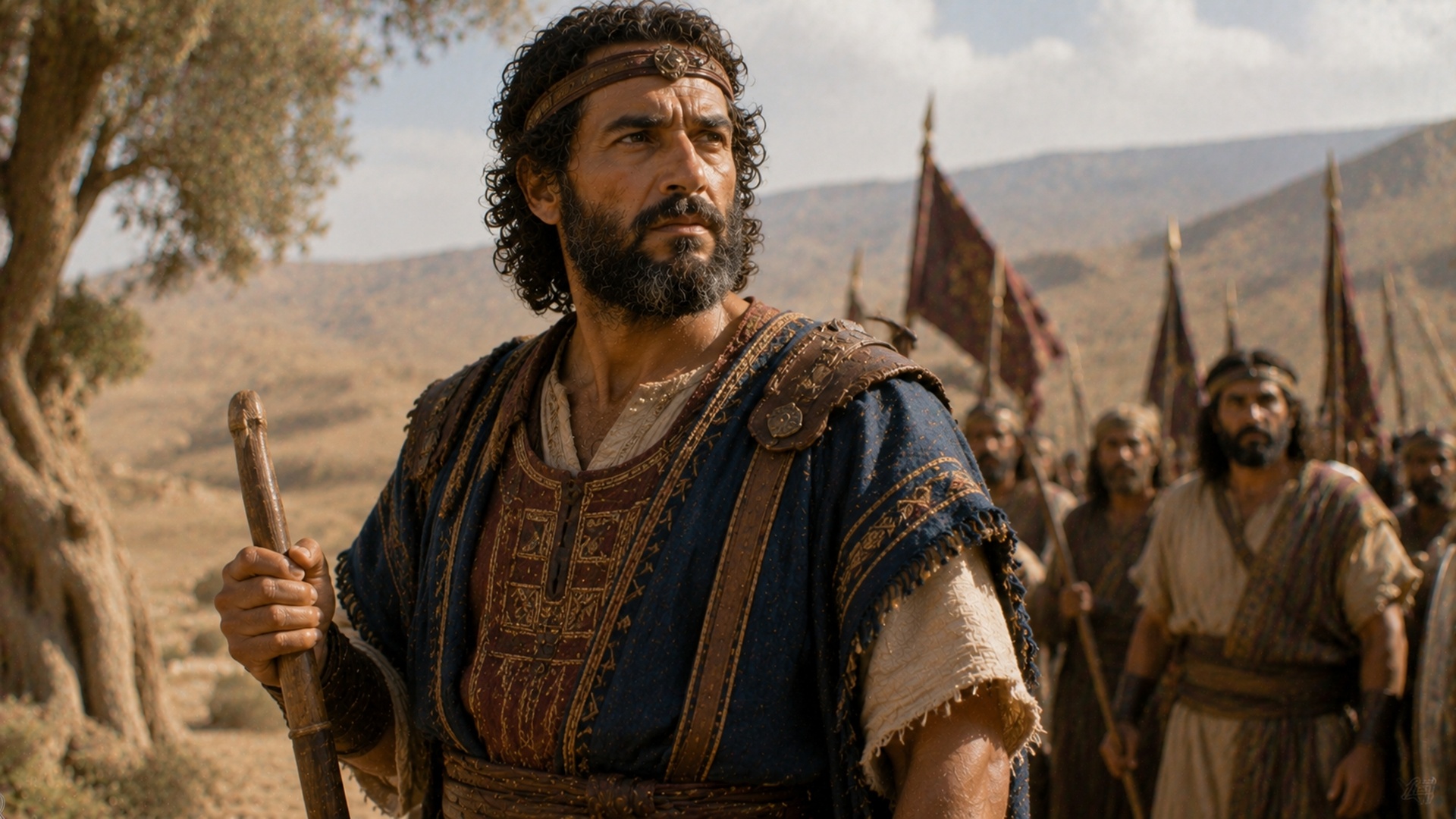
Deborah accompanied Barak, just as he had asked. Together they gathered the men of Israel, and Barak led them to Mount Tabor.
From a human perspective, the battle against Sisera was risky. Israel did not possess the same military strength as the enemy, and Sisera’s iron chariots represented superiority and intimidation.
But the victory would not come through human strength, but through God’s intervention.
🌧️ God’s Intervention
When the battle began, Sisera’s army was thrown into confusion. The power in which Sisera had trusted could not save him.
Barak pursued the enemy army, and Israel experienced a victory greater than its own strength.
This moment showed that fulfilling God’s calling does not depend on the size of the visible obstacles.
🔨 The Honor Goes to a Woman
Deborah had announced to Barak that the glory of the victory would not belong to him alone. Indeed, Sisera fled and met his death at the hands of Jael.
For Barak, this meant that his hesitation had consequences. He was able to participate in the victory, but the special honor did not belong to him alone.
His story shows both realities: God used him, but his trust was not perfect.
🎶 A Song of Victory
After the victory, a song was sung celebrating the deliverance God had accomplished. Deborah and Barak are both connected in it with Israel’s liberation.
The song reminds us that this victory was not simply a military achievement, but a sign that God had not forgotten His people.
In this way, Barak remained part of a story in which God’s faithfulness was greater than human weakness.
✨ The Lasting Message of His Life
Barak shows that courage sometimes needs to grow. His story makes clear that God does not use only completely fearless people, but also those who need encouragement and still decide to move forward.
It reminds us that hesitation does not have to be the end, as long as a person is willing to face God’s calling despite it.
🌌 Closing Thought
Barak was not a hero without weaknesses. He heard God’s calling, but felt his uncertainty and asked for Deborah’s company.
Nevertheless, he did not remain paralyzed by fear. He went, fought, and became part of a great victory for Israel.
👉 His life story shows that God can use even hesitant courage when it finally decides to move forward.