


📅 May 20, 2026
📚 BELIEVE HIS PROPHETS
📖 Daily Bible Reading: ⛪ 2 Chronicles 32
🛡️ Trust in Times of Threat
✨ When God’s power is greater than every fear
🌐 Read online here
📍 Introduction
After the great reforms and the spiritual renewal under King Hezekiah, a severe test follows. In 2 Chronicles 32, Judah is confronted by a powerful threat. The Assyrian army advances against Jerusalem. The situation seems hopeless. Yet the chapter shows how trust in God can give hope even in the darkest moments.
⋯⋯⋯⋯⋯⋯⋯⋯⋯⋯◆⋯⋯⋯⋯⋯⋯⋯⋯⋯⋯
🧵 Commentary
After Hezekiah had acted faithfully for many years and led the people back to God, a new enemy suddenly appears. Sennacherib, king of Assyria, attacks Judah and conquers many fortified cities. His final goal is Jerusalem.
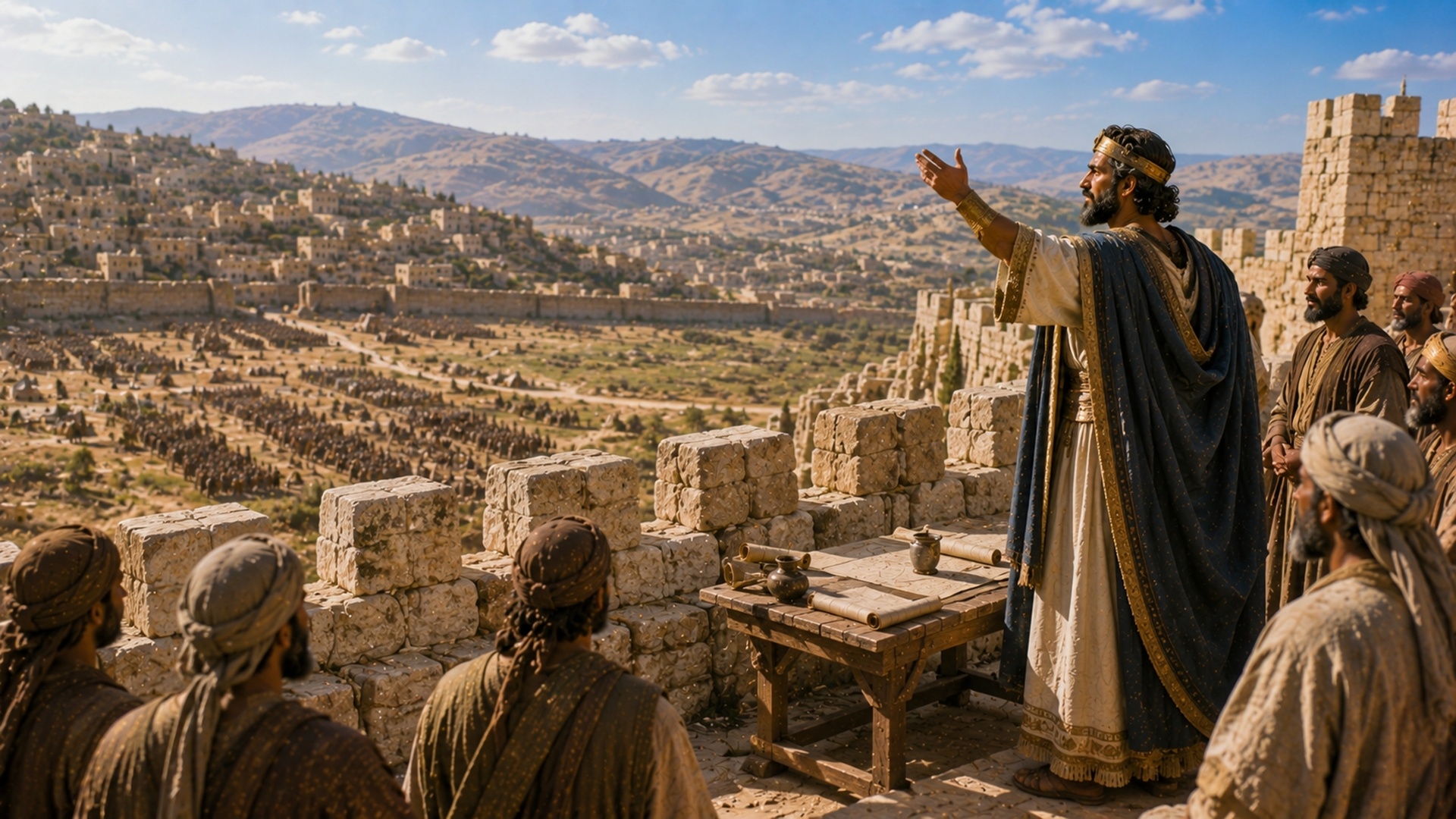
Hezekiah recognizes the danger and acts responsibly. He has the water sources outside the city blocked so that the enemy troops will not have access to them. He also strengthens the walls of Jerusalem and prepares the defense.
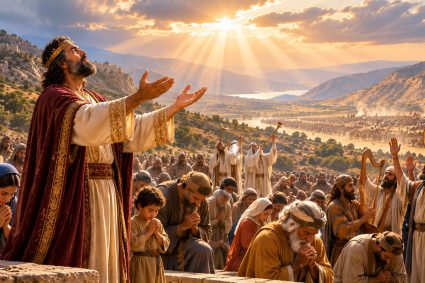
But Hezekiah knows that the city’s security does not depend on walls or weapons alone. Therefore, he gathers the people and encourages them. He reminds them that although Assyria has a great army, God is far more powerful.
The king’s words strengthen the confidence of the people.
Sennacherib then tries to intimidate the inhabitants of Jerusalem. His messengers mock Hezekiah and even attack faith in God. They claim that no god had been able to save the nations from Assyria and that Jerusalem would therefore also fall.
The attacks are not directed only against the city, but against the people’s trust.
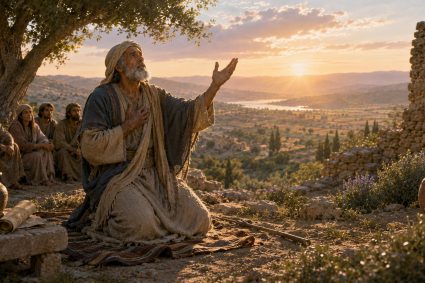
Hezekiah and the prophet Isaiah do not respond with despair. They turn to God in prayer and seek His help.
God hears their prayer.
Without Judah having to fight for itself, God intervenes. The Assyrian army is destroyed, and Sennacherib returns humiliated to his own land. The threat that seemed invincible disappears through God’s intervention.
After this victory, Hezekiah receives great respect and recognition. But the chapter also shows that even successful people must remain watchful. When Hezekiah is later blessed and honored, pride grows in his heart for a time.
God draws his attention to it, and Hezekiah humbles himself. This makes clear that spiritual strength does not mean never making mistakes, but being willing to let God correct us.
The chapter ends by noting that God blessed Hezekiah and gave him success. Yet the reminder remains that true security is never found in human strength, but in a relationship with God.
⋯⋯⋯⋯⋯⋯⋯⋯⋯⋯◆⋯⋯⋯⋯⋯⋯⋯⋯⋯⋯
🧺 Summary
2 Chronicles 32 reports the attack of the Assyrian king Sennacherib on Jerusalem. Hezekiah strengthens the people and trusts in God’s help. God intervenes and saves Judah in a wonderful way. Later, Hezekiah also learns the important lesson of humility.
⋯⋯⋯⋯⋯⋯⋯⋯⋯⋯◆⋯⋯⋯⋯⋯⋯⋯⋯⋯⋯
🔦 Message for Us Today
Fear and threats are part of life. But God’s power is greater than any challenge. Trust does not mean ignoring problems, but facing them with God’s help and relying on His guidance.
⋯⋯⋯⋯⋯⋯⋯⋯⋯⋯◆⋯⋯⋯⋯⋯⋯⋯⋯⋯⋯
📝 Thought Question
What situation in your life currently seems greater than your own abilities — and what would it mean to consciously entrust it to God?
════════ ✶ ✶ ════════

📆 May 17 – 23, 2026
📚 BELIEVE HIS PROPHETS
📖 Weekly Reading from the Spirit of Prophecy
👑 Ellen White | Prophets and Kings
👑 Chapter 5: Solomon’s Repentance
✨ The Way Back to God Begins with Genuine Repentance
🌐 Read online here
📘 Blog 4: 📜 The Wisdom of a Broken Heart
🕯️ Ecclesiastes — words from bitter experience
📍 Introduction
Out of his repentance, Solomon wrote words that still warn and guide people today.
⋯⋯⋯⋯⋯⋯⋯⋯⋯⋯◆⋯⋯⋯⋯⋯⋯⋯⋯⋯⋯
🧵 Commentary
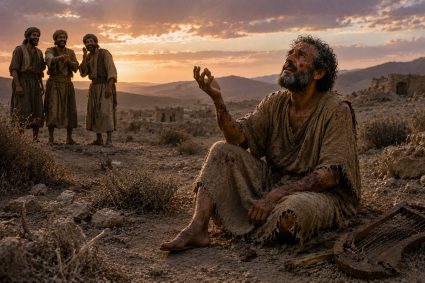
In the book of Ecclesiastes, Solomon looks back on his life. He no longer speaks there as a proud king, but as a broken man.
He describes the transience of life, the emptiness of worldly pursuits, and the deception of sin. Everything that once seemed great to him was ultimately, without God, “chasing after the wind.”
But his words do not remain in hopelessness. In the end, they lead back to what is essential: to fear God and keep His commandments.
This wisdom did not arise from knowledge alone, but from painful experience. Solomon had seen how deeply a person can fall — and how necessary God’s grace remains.
⋯⋯⋯⋯⋯⋯⋯⋯⋯⋯◆⋯⋯⋯⋯⋯⋯⋯⋯⋯⋯
🧺 Summary
Solomon’s later writings became serious warnings against a life without God.
⋯⋯⋯⋯⋯⋯⋯⋯⋯⋯◆⋯⋯⋯⋯⋯⋯⋯⋯⋯⋯
🔦 Message for Us Today
True wisdom begins where people put God back in first place.
⋯⋯⋯⋯⋯⋯⋯⋯⋯⋯◆⋯⋯⋯⋯⋯⋯⋯⋯⋯⋯
📝 Thought Question
What things am I chasing that, in the end, have no lasting value?