
👤 The Biblical Person of the Day
⚖️ Jehoshaphat – the King Who Sought God’s Help
📌 Profile
- Name: Jehoshaphat
- Time of birth: approx. 10th–9th century BC
- Place of birth: presumably Jerusalem
- Time of death: approx. 9th century BC
- Age: approx. 60 years
- Occupation: King of Judah
📖 Short Story
Jehoshaphat was king of Judah and the son of Asa. He was one of the kings who sought the Lord and wanted to lead the people back to God’s ways.
He strengthened Judah, removed false places of worship, and sent officials, Levites, and priests throughout the land so that they could teach the Law of the Lord to the people.
Jehoshaphat understood that a nation needs not only military security but also spiritual instruction and just order.
Yet his story also reveals weaknesses. He allied himself with Ahab, the ungodly king of Israel, and went to war with him. For this, he was later rebuked by the prophet Jehu.
Jehoshaphat became especially known because of a great crisis. Enemy armies came against Judah, and Jehoshaphat was afraid. But instead of relying first on his own strength, he sought the Lord and proclaimed a fast.
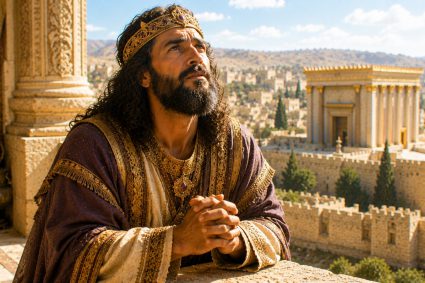
In the temple he prayed before the people and confessed that Judah had no power against this great multitude. His words reveal deep trust: “Our eyes are upon You.”
God answered through Jahaziel and promised that the battle was not Judah’s, but God’s. Jehoshaphat believed, placed singers before the army, and God gave them a miraculous victory.
🔥 The Decisive Moment
Jehoshaphat faces an overwhelming threat, prays together with the people, and trusts that the battle belongs to the Lord.
✨ 7 Special Things About Jehoshaphat
- He was king of Judah
- He was the son of King Asa
- He sought the Lord and walked in His ways
- He had God’s Law taught among the people
- He established judges and a just administration
- He prayed publicly before God during a great crisis
- He experienced God’s deliverance without fighting the battle himself
⚖️ Strengths & Weaknesses
✔ sought God
✔ promoted spiritual instruction
✔ prayed in times of crisis
✔ strengthened justice and order in the land
❌ entered into dangerous alliances
❌ allowed himself at times to be influenced by wrong partnerships
❗ The Mistake That Shaped Him
Jehoshaphat allied himself with Ahab and later with his household, even though this relationship was spiritually dangerous.
➡️ His story shows that a person can seek God and still be endangered by wrong alliances.
📜 Key Verse
“We do not know what to do, but our eyes are upon You.” (2 Chronicles 20:12)
🧠 The Life Lesson
When our own strength is not enough, we can keep our eyes fixed on God. The battle does not always belong to us, but to God.
🎯 Application for Today
Bring your helplessness honestly before God. Admit what you cannot do and fix your eyes on the Lord, who is greater than your threat.
❓ Question for You
Where do you need to say today: “Lord, I do not know what to do, but my eyes are upon You”?
📌 Context
Jehoshaphat ruled Judah during the period of the divided kingdom, while kings such as Ahab ruled the northern kingdom of Israel.
🔗 Connection
Jehoshaphat is connected with Asa, Ahab, Micaiah, Jehu, Jahaziel, and the great deliverance of Judah in 2 Chronicles 20.
Conclusion:
Jehoshaphat shows that spiritual strength lies in seeking God. His story calls us to pray in times of crisis, to take God’s Word seriously, and at the same time to remain watchful against dangerous alliances.
See you tomorrow with the next biblical person! 📖
✨ The Life Story ✨
✨ The Life Story of Jehoshaphat – When Our Eyes Remain Fixed on God ✨
🌄 A King from the House of David
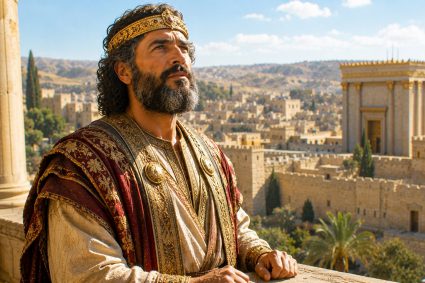
Jehoshaphat became king of Judah and succeeded his father Asa. He ruled during a time when the kingdom of Israel had already been divided and Judah had to find its way between political threats and spiritual decisions.
His father Asa had sought the Lord in many areas, and Jehoshaphat continued much of this spiritual heritage. He did not want to be merely a politically strong king, but a ruler who oriented himself according to God’s ways.
From the beginning of his reign, one thing became clear: Jehoshaphat did not seek the idols of the surrounding nations but the God of his fathers.
🛡️ Judah Is Strengthened
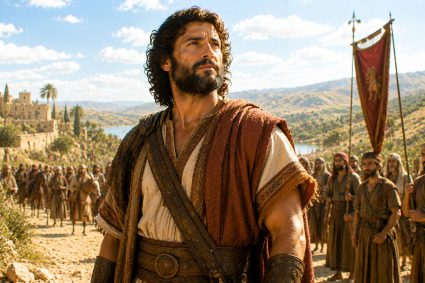
Jehoshaphat fortified cities, stationed troops, and provided security throughout the land. He was not a passive king but acted responsibly to protect his people.
Yet his strength did not lie only in walls and soldiers. The Bible emphasizes that the Lord was with him because he walked in the earlier ways of David and sought the Lord.
His story therefore shows that outward security may be important, but without spiritual direction it cannot form the true foundation of a nation.
📖 The Law Is Taught
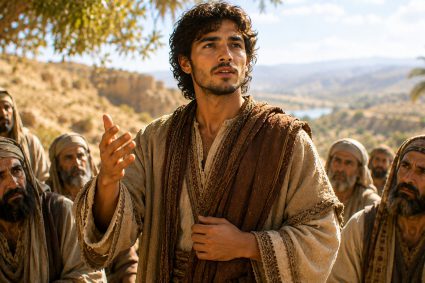
One of Jehoshaphat’s most remarkable actions was sending teachers throughout the land. Officials, Levites, and priests traveled through the cities of Judah and taught the Law of the Lord.
Jehoshaphat understood that spiritual renewal does not happen through royal commands alone. The people needed to know God’s Word in order to walk in His ways.
This decision reveals his deep insight: A people without God’s Word loses direction, but a people that hears God’s Word can learn again how to live rightly.
⚖️ Order and Justice
Jehoshaphat also established a just administration. He appointed judges and reminded them that they were not judging merely for human beings but on behalf of the Lord.
He instructed them to act with the fear of God, faithfulness, and undivided hearts. Bribery, partiality, and injustice were to have no place.
In this way, Jehoshaphat connected faith with everyday life. Reverence for God was to be visible not only in the temple but also in courts, government, and public life.
🤝 The Dangerous Closeness to Ahab
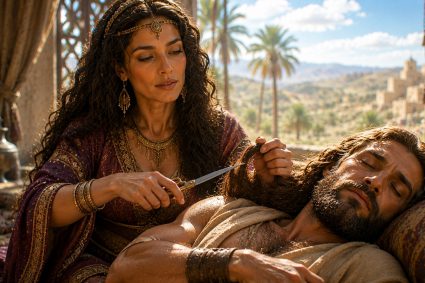
Despite his good spiritual direction, Jehoshaphat did not always make wise decisions. He allied himself with Ahab, the king of Israel, who was known for ungodliness and the influence of Jezebel.
Jehoshaphat even went to war with Ahab against Ramoth Gilead. Although he first asked that the Lord be consulted, he nevertheless allowed himself to be drawn into a dangerous alliance.
The prophet Micaiah announced disaster, and the battle ended with Ahab’s death. Jehoshaphat was preserved, but later he was rebuked by the prophet Jehu.
💔 A Warning Against Wrong Alliances
Jehoshaphat’s connection with the house of Ahab had consequences. Although he sought God, this closeness to the wrong people placed him in spiritual danger.
His story shows that a believer must pay attention not only to personal devotion but also to the alliances he enters into.
A person can sincerely love God and yet, through wrong relationships, make decisions that bring pain and danger.
🌊 A Great Threat
Later, a vast multitude of enemies came against Judah. Moabites, Ammonites, and others advanced, and from a human perspective the situation was threatening.
Jehoshaphat was afraid. The Bible does not hide his fear. But what matters is where that fear led him.
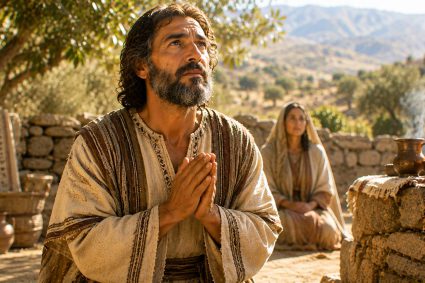
He sought the Lord, proclaimed a fast, and all Judah gathered together to seek God’s help.
🙏 The Prayer in the Temple
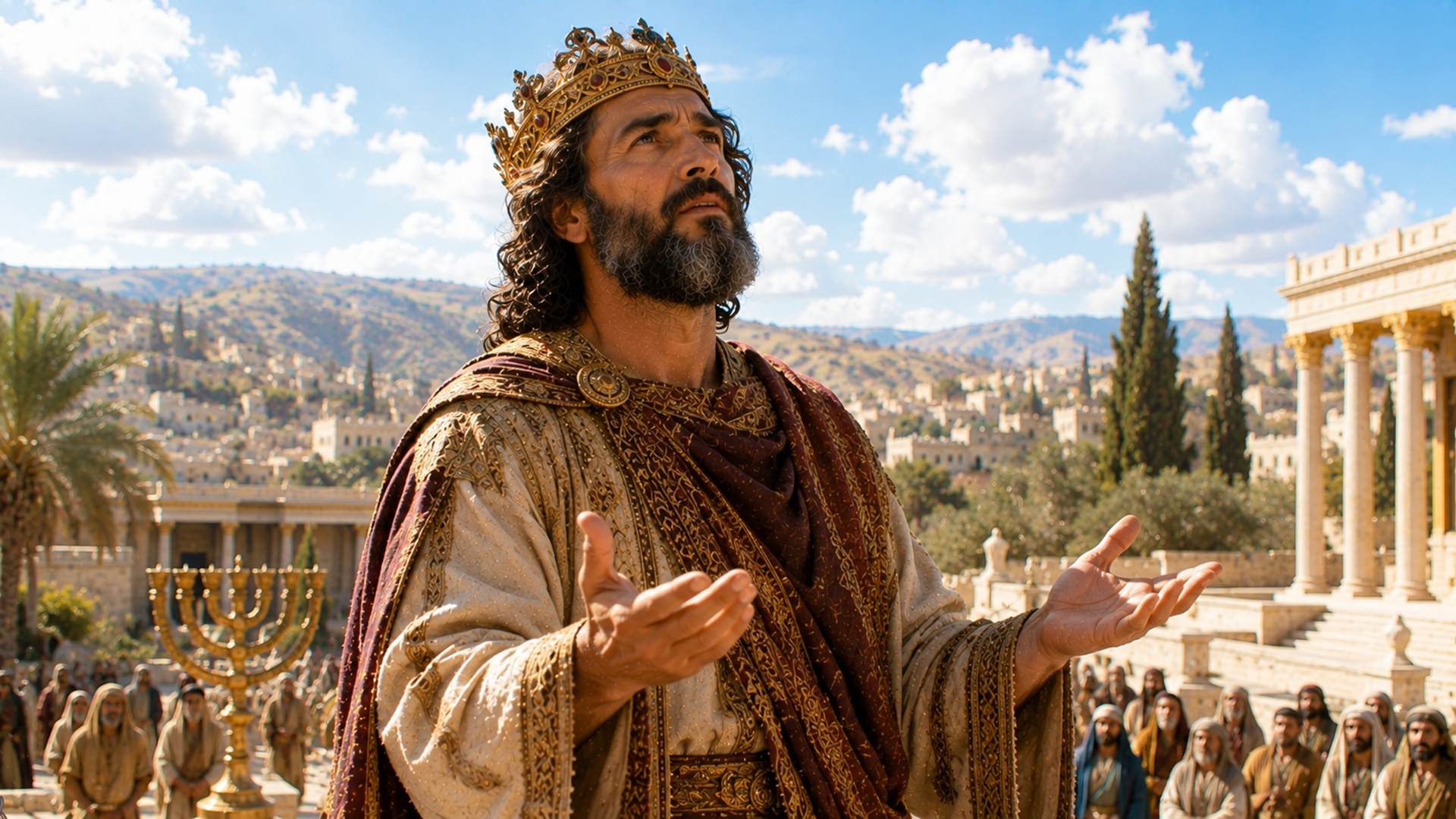
Jehoshaphat stood in the house of the Lord and prayed before the assembled congregation. He reminded God of His power, His promises, and the history of His people.
Then he spoke the words that especially reveal his heart: Judah had no power against this great multitude and did not know what to do, but their eyes were fixed on God.
This prayer was not an expression of weakness without faith, but of humility. Jehoshaphat honestly acknowledged his limitations and held firmly to God’s power.
🕊️ The Battle Belongs to the Lord
God answered through Jahaziel. The message was clear: Judah was not to be afraid, for the battle was not theirs, but God’s.
Jehoshaphat and the people worshiped. The next morning, the king placed singers before the army to praise the Lord.
This was an extraordinary expression of trust. Before the victory could even be seen, they sang of God’s goodness and mercy.
🌅 Victory Through God’s Intervention
When Judah began to praise, God intervened. The enemies turned against one another, and Judah did not have to fight the battle itself.
When Jehoshaphat and the people arrived, they found the enemy already defeated. What had begun as a hopeless threat became a testimony to God’s deliverance.
Afterward, they returned to Jerusalem with joy because the Lord had given them victory over their enemies.
✨ The Enduring Message of His Life
Jehoshaphat shows that a king can be strong precisely because he recognizes his own limitations. His story makes clear that prayer, God’s Word, and spiritual order can strengthen a people.
But it also reminds us that wrong alliances are dangerous. A heart that seeks God must also remain watchful about those with whom it walks closely.
🌌 Closing Thought
Jehoshaphat was a king who sought God, had the people instructed in the Law, and called upon the Lord in a time of great distress.
His strongest words were not royal commands but a humble prayer: “Our eyes are upon You.”
👉 His life story shows: Whoever fixes his eyes on God in a crisis can experience that the battle does not depend on his own strength, but belongs to the Lord.
