

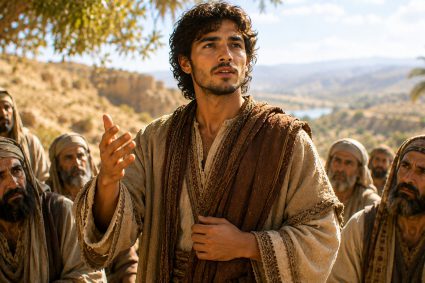

👤 The Biblical Person of the Day
🌊 Nahum – the prophet who proclaimed God’s judgment over Nineveh
📌 Profile
- Name: Nahum
- Time of birth: probably around the 7th century BC
- Place of birth: Elkosh
- Time of death: unknown
- Age: unknown
- Occupation: Prophet
📖 Short Story
Nahum was a prophet of God who proclaimed a serious message concerning Nineveh. Nineveh was the capital of Assyria, a powerful and cruel empire that had oppressed many nations.
Many years earlier, Jonah had preached in Nineveh, and at that time the city had repented. But later Assyria returned to violence, pride, and oppression.
Nahum proclaimed that God would not overlook Nineveh’s guilt. The Lord is patient, but He is not indifferent to injustice.
His message was a comfort to the oppressed. They were to know that Assyria’s power would not last forever and that God sees the suffering of His people.
Nahum describes God’s power with strong imagery: mountains tremble, seas dry up, and no one can stand before His wrath when He brings judgment.
Yet in the midst of this serious message stands a comforting statement: The Lord is good, a stronghold in the day of trouble, and He knows those who trust in Him.
Nahum’s story shows that God’s judgment is not opposed to His goodness. Because God is good, He does not allow violence, pride, and cruelty to rule forever.
🔥 The Decisive Moment
Nahum proclaims the fall of Nineveh and thereby shows that God’s justice is stronger than any cruel world power.
✨ 7 Special Things About Nahum
- He was a prophet of God
- He came from Elkosh
- He proclaimed God’s judgment over Nineveh
- He spoke during a time of Assyrian threat
- He emphasized God’s power over the nations
- He comforted the oppressed with God’s justice
- He reminded people that the Lord is good and a stronghold
⚖️ Strengths & Weaknesses
✔ courageous in his message
✔ clear in confronting violence and pride
✔ comforting to those in distress
✔ placed God’s justice at the center
❌ little is known about his personal life
❌ his message is very serious and difficult
❗ The Mistake That Defined Him
The Bible does not report any particular personal failure of Nahum.
➡️ His life is primarily defined by his serious message about God’s judgment and his comfort for those who were oppressed.
📜 Key Verse
“The Lord is good, a stronghold in the day of trouble; and He knows those who trust in Him.” (Nahum 1:7)
🧠 The Life Lesson
God’s patience does not mean that injustice will remain forever. The Lord sees the oppressed and sets a limit to violence.
🎯 Application for Today
When injustice seems great and powerful people appear untouchable, hold on to this truth: God sees, God knows those who belong to Him, and His justice will not remain silent.
❓ Question for You
Where do you need to trust today that God also sees the injustice that people seem to commit without consequences?
📌 Context
Nahum ministered during a time when Assyria was a feared world power. His message is directed especially against Nineveh, the capital of that empire.
🔗 Connection
Nahum is connected with Nineveh, Assyria, and the earlier message of Jonah, who had also been sent to Nineveh many years before.
Conclusion:
Nahum shows that God is just and does not tolerate the violence of the powerful forever. His message is serious, but for those in distress it is full of comfort: The Lord is good and knows those who trust in Him.
See you tomorrow with the next biblical person! 📖
✨ The Life Story ✨
✨ The Life Story of Nahum – Comfort in the Face of a Cruel Power ✨
🌄 A Prophet from Elkosh
Nahum is introduced as a prophet from Elkosh. The Bible tells us almost nothing about his family, his daily life, or his personal history.
Yet his name already carries an important meaning. Nahum means “comfort” or “comforter.” This name fits his message very well, even though at first glance his book appears very serious and strongly focused on judgment.
He brought comfort not through soft words, but through the certainty that God will not allow evil to rule forever.
🏙️ Nineveh – the Mighty City
Nahum’s message is directed against Nineveh, the capital of Assyria. This city represented power, wealth, military strength, and political intimidation.
Assyria was known for its cruelty. Many nations had suffered under its violence, and both Israel and Judah had experienced the threat of this world power.
To the people of that time, Assyria may have appeared invincible. But Nahum saw beyond visible power to a higher reality: God remains Judge over all nations.
📖 The Memory of Jonah
Many years before Nahum, Jonah had preached in Nineveh. At that time, the city responded to God’s warning and repented.
But Nineveh’s later history showed that this repentance did not last. Assyria returned to pride, violence, and cruelty.
Nahum’s message therefore reveals a serious truth: Past repentance does not replace present faithfulness. A nation that returns to violence and pride once again comes under God’s judgment.
🌊 The Lord Over Sea and Mountains
Nahum describes God’s power with striking imagery. Before the Lord the mountains tremble, the hills melt, and the sea can dry up before Him.
These images show that God’s power is greater than nature, greater than cities, and greater than empires.
Assyria may have considered itself strong, but before the Lord it was not untouchable. No human kingdom stands so high that God cannot reach it.
🛡️ A Stronghold in the Day of Trouble
In the midst of this serious message stands one of the most comforting verses in the book: The Lord is good, a stronghold in the day of trouble, and He knows those who trust in Him.
This is the heartbeat of Nahum’s message. God is not only Judge over the wicked, but also a refuge for His people.
For those who live under violence, fear, and oppression, this is a powerful hope: God does not forget them.
⚖️ Judgment Upon Cruelty
Nahum announces the fall of Nineveh. The city that had wounded others would itself fall.
His words are forceful because they show that violence does not remain without consequences. What Nineveh had done to others would now return upon the city in judgment.
God’s justice means that victims are not overlooked forever and perpetrators are not protected forever.
🔥 The End of False Security
Nineveh trusted in its walls, its soldiers, its treasures, and its power. But Nahum made it clear that all these sources of security would collapse.
When God sets a boundary, no human defense can stop it. Pride is exposed, and apparent strength becomes weakness.
In this way, Nineveh becomes a warning that power without justice cannot endure.
🕊️ Comfort for the Oppressed
For Judah and for all who had suffered under Assyria, Nahum’s message was a sign of hope. The oppression would not continue forever.
God had seen the suffering, even when for a long time it appeared that Assyria could continue without restraint.
Nahum comforted those in distress by showing them this truth: History does not belong to the violent. It belongs to the Lord.
📣 A Message of Serious Clarity
Nahum did not minimize evil. He spoke clearly about guilt, violence, and judgment.
His message reminds us that genuine comfort sometimes does not consist in making injustice seem smaller, but in taking God’s righteous intervention seriously.
Those who suffer need more than kind words. They need the certainty that God sees, judges, and saves.
✨ The Lasting Message of His Life
Nahum shows that God’s justice is a comfort to the oppressed. His story makes it clear that no cruel power will endure forever.
It reminds us that the Lord is good and knows those who trust in Him. Especially in times of threat, God becomes a stronghold for His people.
🌌 Closing Thought
Nahum proclaimed the fall of a seemingly invincible city. His words were serious, yet for those in distress they were a sign of hope.
He showed that God’s patience is great, but it does not mean that injustice will continue forever.
👉 His life story shows: The Lord is good, a stronghold in the day of trouble, and His justice sets a limit to every cruel power.
