📅 24 January 2026
📚 BELIEVE HIS PROPHETS
📖 Daily Bible Reading
👑 2 Samuel 16 – A King on the Run: Loyalty, Betrayal, and God’s Hidden Ways
✨ Between slander, curses, and false strength—David’s humility in the midst of trials
🌐 Read online here
📍 Introduction
Chapter 16 of 2 Samuel takes us right into the dramatic flight of King David from his son Absalom. It is a time of extreme testing for the king: old loyalties are shaken, friend and foe are hard to distinguish, and God’s actions seem hidden at first glance. Yet it is precisely in these moments that character, faith—and God’s sovereign plan—are revealed.
⋯⋯⋯⋯⋯⋯⋯⋯⋯⋯◆⋯⋯⋯⋯⋯⋯⋯⋯⋯⋯
🧵 Commentary
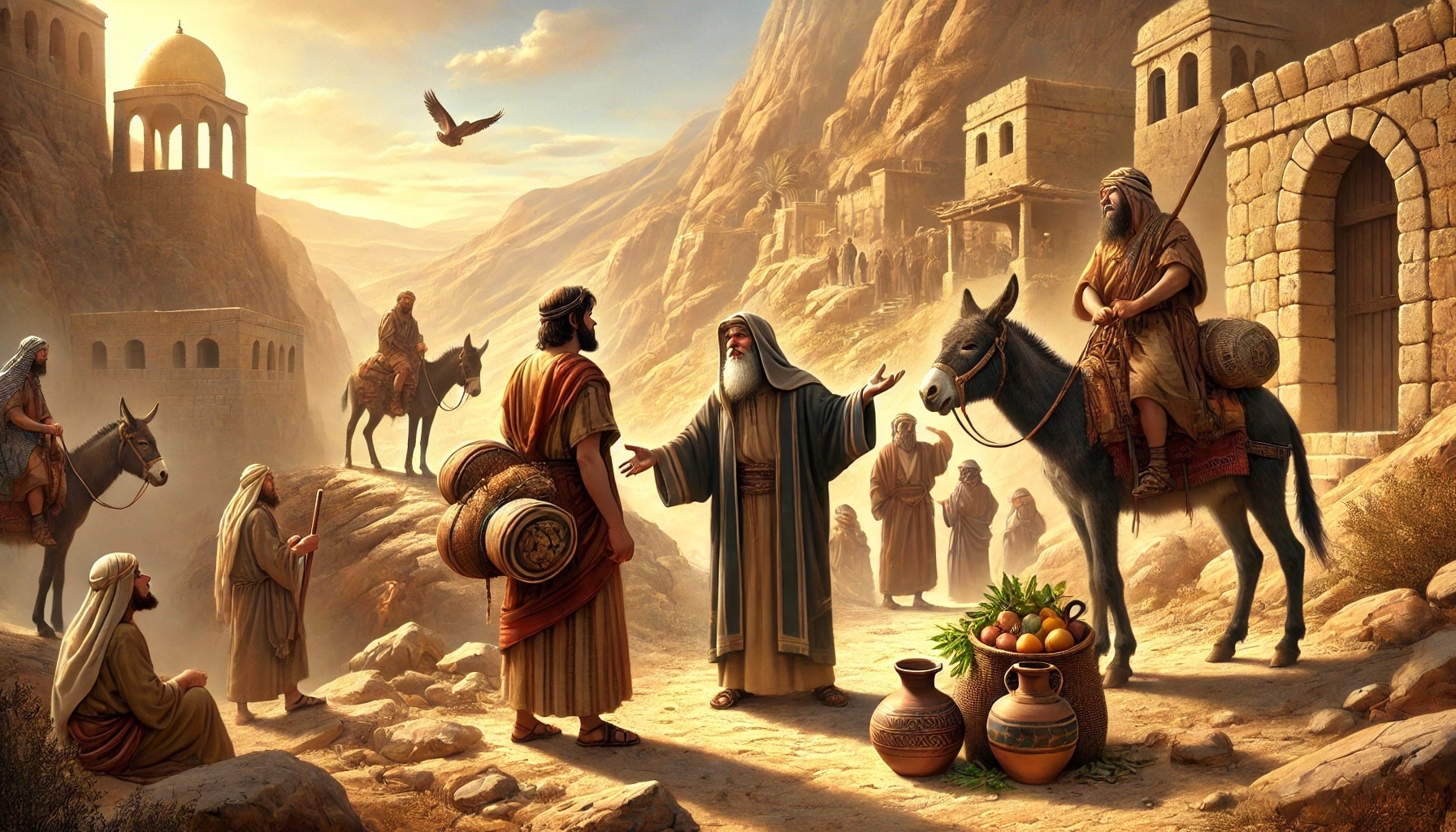
David had left the city, and his royal power seemed broken. Hardly had he left Jerusalem when Ziba approached him—the servant of Mephibosheth, Jonathan’s son. With donkeys loaded with supplies, bread, cakes, and wine, he wanted to “support” the king. But his words had a hidden agenda. He slandered his master Mephibosheth, claiming that Mephibosheth was hoping for power to return to Saul’s house. David, exhausted and under pressure, made a quick decision—and handed over Mephibosheth’s entire inheritance to Ziba. A first small but painful fracture: loyalty is replaced by cunning, truth by manipulation.
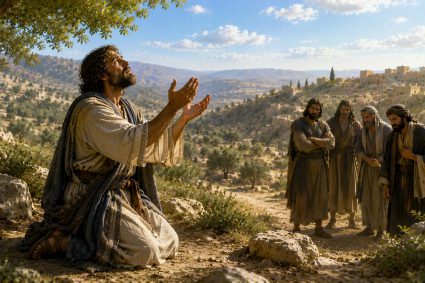
No sooner was the conversation with Ziba over than the next humiliation came. At Bahurim, Shimei, a relative of Saul, appeared—full of hatred. Shouting curses, throwing stones, he accused David of bloodshed against Saul’s house. A dangerous moment—not militarily, but psychologically. Abishai wanted to intervene, but David held him back. David’s mindset is reflected in his words: “Let him alone; the Lord has told him.” David, the anointed one, the king on the run, recognizes God’s possible discipline and hopes for mercy. He accepts the injustice—not out of weakness, but in humility, because he knows: God’s justice is higher than all human honor.
While David suffers in the wilderness, Absalom enters Jerusalem. The takeover seems successful. But God begins to work in secret. Hushai, David’s loyal friend, apparently switches to Absalom’s side. He plays his role skillfully and makes himself available to the new “king.” A dangerous—but intentional—move.
Then Ahithophel steps onto the scene—once David’s wise counselor, now at Absalom’s side. His advice is radical and shameful: Absalom should publicly sleep with his father’s concubines. The message: Absalom is not only king—he has made a final break with David. The act on the roof is public, provocative, symbolic. But this path will soon lead to downfall.
⋯⋯⋯⋯⋯⋯⋯⋯⋯⋯◆⋯⋯⋯⋯⋯⋯⋯⋯⋯⋯
🧺 Summary
-
Ziba meets David with gifts but slanders Mephibosheth.
-
David transfers Mephibosheth’s property to Ziba.
-
Shimei curses David fiercely; David responds with patience and humility.
-
Absalom enters Jerusalem with Ahithophel.
-
Hushai, David’s friend, presents himself as loyal to Absalom.
-
Ahithophel advises Absalom to publicly humiliate David.
-
Absalom follows the advice—a sign of total rebellion.
⋯⋯⋯⋯⋯⋯⋯⋯⋯⋯◆⋯⋯⋯⋯⋯⋯⋯⋯⋯⋯
🔦 Message for us today
In times of betrayal, injustice, and suffering, our heart is revealed—and our trust in God. David, though deeply wounded, does not act out of revenge but out of humility. He seeks God’s mercy, not human retaliation. This chapter shows us: even when circumstances are against us, God is not absent. He works in hidden ways. Ziba’s lie will not stand forever. Shimei’s curse is not God’s final word. Absalom’s apparent triumph is only temporary. God is writing His story—even in the middle of chaos.
⋯⋯⋯⋯⋯⋯⋯⋯⋯⋯◆⋯⋯⋯⋯⋯⋯⋯⋯⋯⋯
📝 Reflection
How do I respond when I am treated unfairly?
Am I like David—willing to endure injustice, trusting that God sees and will judge? Or do I reach too quickly for my own solutions, like David did with Ziba?
Do I trust that God’s counsel is higher than human plans—even when it feels dark around me?
══════════ ✶ ✶ ══════════
📆 January 18 – 24, 2026
📚 BELIEVE HIS PROPHETS
📖 Weekly Reading from the Spirit of Prophecy
📘 Ellen G. White | Patriarchs and Prophets
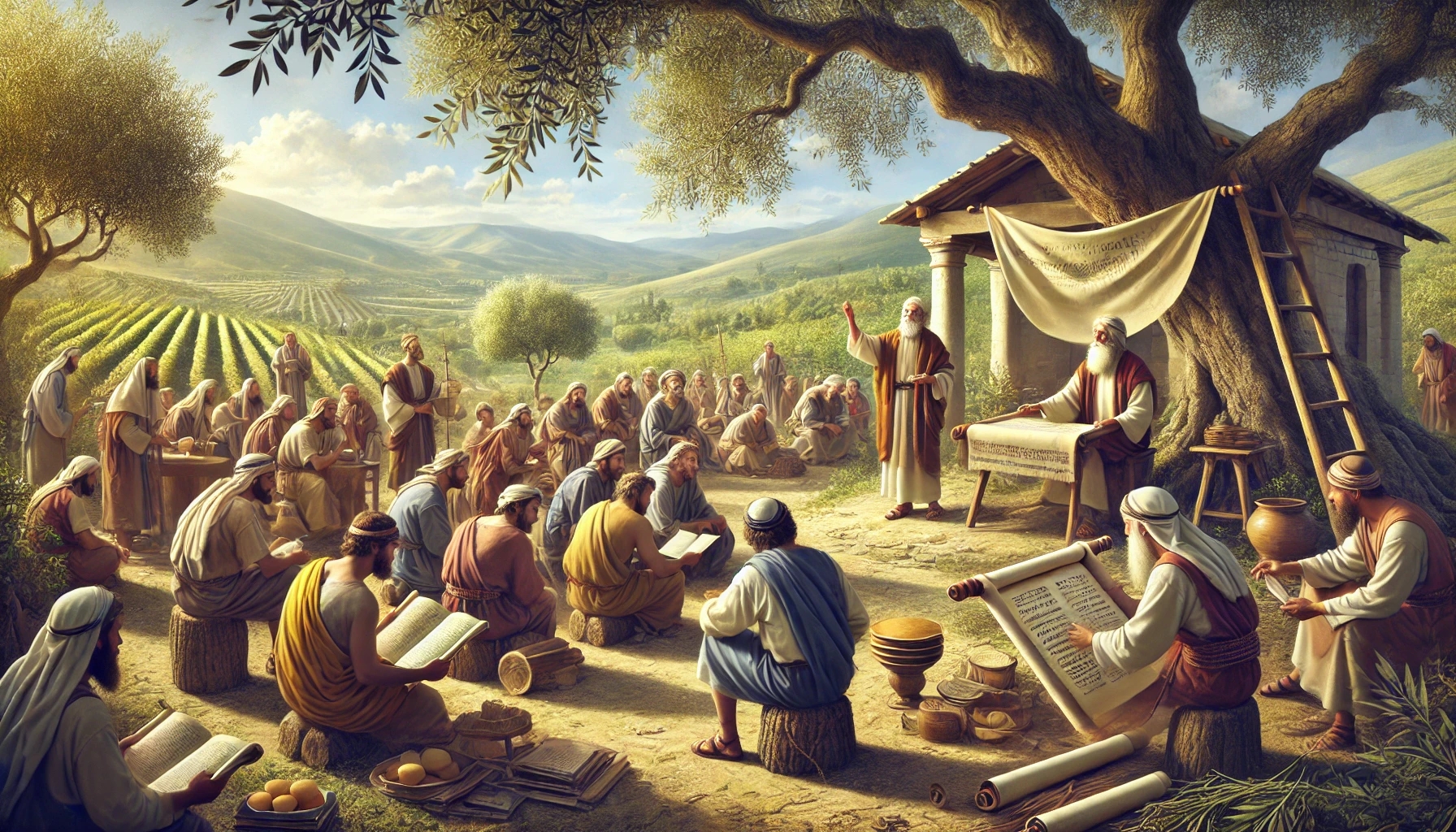
🔥 Chapter 58 : The Schools of the Prophets
✨ Divine education for heart, mind, and character—training with an eternal purpose
🌐 Read online here
📘 Blog 7 – The Goal of Education – Restoring the Divine Image
More than knowledge: education toward likeness to God
📍 Introduction
The greatest task of education is not career, but character. The true goal: to restore the divine image in humanity.
⋯⋯⋯⋯⋯⋯⋯⋯⋯⋯◆⋯⋯⋯⋯⋯⋯⋯⋯⋯⋯
🧵 Commentary
Human beings were created in God’s image—beautiful, strong, pure. Sin distorted that image. Education—in the biblical sense—is the restoration of that image. It is about maturity, sanctification, true greatness.
A student should not strive to outshine others, but to fulfill God’s will. God’s education trains for reverence toward God, self-control, love, peace, spiritual strength. It is preparation for life here—and for eternal life there.
⋯⋯⋯⋯⋯⋯⋯⋯⋯⋯◆⋯⋯⋯⋯⋯⋯⋯⋯⋯⋯
🧺 Summary
The highest goal of all education is to become like Christ.
⋯⋯⋯⋯⋯⋯⋯⋯⋯⋯◆⋯⋯⋯⋯⋯⋯⋯⋯⋯⋯
🔦 Message for us today
We need education that shapes character, not just fills minds. All learning should aim at God’s will.
⋯⋯⋯⋯⋯⋯⋯⋯⋯⋯◆⋯⋯⋯⋯⋯⋯⋯⋯⋯⋯
📝 Reflection
Am I being shaped—or only informed? Am I pursuing knowledge or wisdom?