
✉️ FIRST AND SECOND CORINTHIANS
🕯️Lesson 10: Authentic Christian Ministry
🏺 10.2 Suffering and Glory
🌅 Fragile Vessels Sustained by the Hope of Glory
📖 1. Introduction
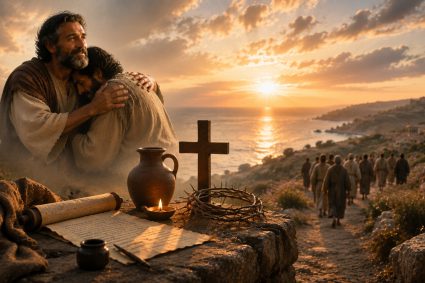
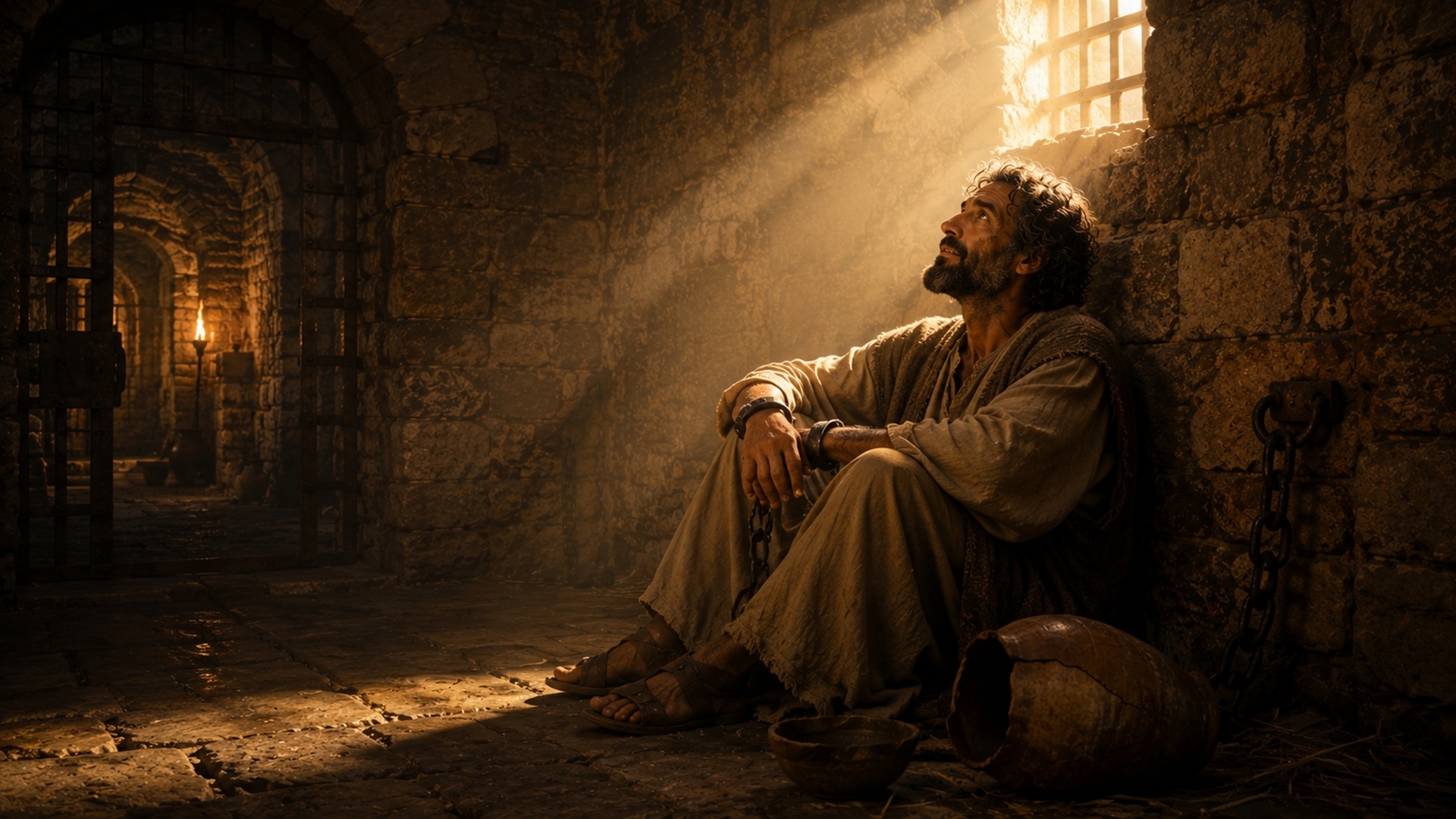
Paul describes his ministry with a powerful image: The gospel is a precious treasure, but this treasure is contained in fragile jars of clay. By this, he means that God’s servants are weak, limited, and vulnerable human beings. Precisely because of this, it becomes clear that the power does not come from them, but from God. Paul experienced pressure, confusion, persecution, and physical weakness, yet he was neither crushed, abandoned, nor destroyed. His eyes remained fixed not on his present suffering, but on the glory to come. This hope gave him the strength to continue faithfully.
📜 2. The Biblical Foundation
Paul writes:
“But we have this treasure in jars of clay to show that this all-surpassing power is from God and not from us.”
2 Corinthians 4:7
He then describes his suffering:
“We are hard pressed on every side, but not crushed; perplexed, but not in despair; persecuted, but not abandoned; struck down, but not destroyed.”
2 Corinthians 4:8–9
He continues:
“We always carry around in our body the death of Jesus, so that the life of Jesus may also be revealed in our body.”
2 Corinthians 4:10
Then he turns his attention toward the future:
“For our light and momentary troubles are achieving for us an eternal glory that far outweighs them all.”
2 Corinthians 4:17
Finally, Paul summarizes his attitude of faith:
“We fix our eyes not on what is seen, but on what is unseen.”
2 Corinthians 4:18
These verses show that present suffering is real, but it cannot be compared with the glory of God that is to come.
🌍 3. Connection to Our Time
Christians today also experience weakness, pressure, illness, disappointment, exhaustion, loss, and spiritual struggles. Sometimes we feel like fragile vessels that can barely withstand the burdens of life. Paul shows us, however, that weakness does not mean God has abandoned us. God’s power can become especially visible through our limitations. Faith does not deny suffering, but views it in the light of the resurrection and the glory to come. Those who look to Christ can retain their hope even during difficult times.
💡 4. Central Message of the Lesson
👉 God places the treasure of the gospel within fragile human beings so that His power may become visible and the hope of eternal glory may sustain us through suffering.
✝️ 5. Theological Focus
The theological focus of this lesson lies in the tension between human fragility and divine power. Paul does not speak of a ministry that appears strong because the person performing it is impressive. He speaks of a ministry in which human weakness itself reveals that the power comes from God. The gospel is the treasure, while the servant is the vessel. The treasure is glorious, but the vessel is fragile.
This image protects us from false ideas about spiritual ministry. Paul does not wish to create the impression that God’s servants are invincible heroes without fear, pain, or limitations. He honestly describes himself as hard pressed, perplexed, persecuted, and struck down. Yet each time, he also shows that God’s power is stronger than the affliction. He is hard pressed, but not crushed; perplexed, but not in despair; persecuted, but not abandoned; struck down, but not destroyed.
This makes it clear that God’s power does not always consist of immediately removing suffering. It is often revealed through the way God sustains His children in the midst of suffering. He gives perseverance, hope, inward stability, and the assurance that they have not been abandoned. This power is not human toughness, but divine grace that sustains us in our weakness.
Paul connects his suffering with the “death of Jesus.” By this, he does not mean that his suffering supplements or replaces Christ’s sacrifice. The cross of Jesus is unique and completely sufficient. Rather, Paul means that his ministry bears the mark of the crucified Christ. Those who follow Christ will often bear the marks of self-denial, sacrifice, rejection, and suffering.
Paul does not stop with death, however. He says that the life of Jesus must also become visible. This is decisive. In Christian ministry, death and life, weakness and power, suffering and hope are interconnected. Precisely where the servant is weak, the life of the risen Christ can become visible.
This truth is closely connected with the hope of the resurrection. Paul knows that the God who raised Jesus from the dead will also raise believers. His hope is therefore not merely emotional comfort, but a concrete expectation for the future. The mortal body is not the end. Illness, aging, decay, and death do not have the final word. God will raise His children and give them imperishable life.
This is why Paul can say that the present affliction is “light and momentary” when compared with eternal glory. He is not minimizing suffering. His sufferings were real and severe, but he views them in relation to eternity. What weighs upon us now is temporary. What God gives is eternal. What causes pain now is limited. What God is preparing is glorious beyond all measure.
Faith therefore does not live solely by what is visible. Paul says that we fix our eyes not on what is seen, but on what is unseen. What is visible includes suffering, weakness, mortality, and death. What is unseen includes God’s faithfulness, Christ’s resurrection, the coming glory, and eternal life. Christian faith learns to take visible reality seriously without treating it as ultimate reality.
The theological core is this: God reveals His power through weak human beings who carry the treasure of the gospel. Suffering may afflict the servant, but it cannot separate that servant from Christ. The hope of the resurrection gives ministry an eternal perspective and makes it clear that God’s glory will infinitely surpass every present suffering.
🌟 6. Spiritual Deepening
This lesson speaks deeply to the experience of every believer because no one is free from fragility. We all carry our treasure in jars of clay. Our strength, patience, health, understanding, and endurance are limited. Sometimes this fragility becomes painfully clear through illness, exhaustion, disappointment, failure, rejection, or fear.
Paul helps us avoid interpreting this fragility as evidence of failure. Many people believe that spiritual maturity means always being strong, calm, and unshakable. Paul presents a different picture. Spiritual maturity does not mean possessing no weaknesses, but holding on to God’s power in the midst of weakness. A fragile vessel can still carry a precious treasure.
This is deeply comforting. God does not wait until we have become perfectly strong before He uses us. He places His treasure precisely within people who know that they depend upon Him. This protects ministry from pride. When God works through weak human beings, it becomes clear that the glory belongs to Him.
At the same time, this truth protects us from discouragement. When we are under pressure, it does not mean that God has abandoned us. When we are perplexed, it does not mean that faith is absent. When we are persecuted or misunderstood, it does not mean that Christ is far away. Paul shows that such experiences may occur in God’s service without having the final word.
The repeated contrasts are especially powerful: hard pressed, but not crushed; perplexed, but not in despair; persecuted, but not abandoned; struck down, but not destroyed. These words are like a confession of faith. They do not conceal the distress, but place God’s faithfulness beside it. The pain is present, but God’s sustaining power is stronger.
This is also important for our personal discipleship. We may not be able to prevent pressure from coming. We may not be able to answer every question immediately or avoid every wound. We may know, however, that we have not been abandoned in Christ. God can preserve us even when we feel weak.
Paul speaks of carrying the death of Jesus in his body. This reminds us that discipleship is always connected with self-denial. The Christian life does not revolve around comfort, recognition, or self-fulfillment. Those who follow Christ will learn to set aside personal desires, carry burdens, serve others, and refuse to regard suffering as meaningless.
The death of Jesus is not the end of the story, however. The life of Jesus becomes visible. This is the miracle of the gospel: God brings life out of death, hope out of pain, strength out of weakness, and glory out of suffering. The risen Christ works within people who may appear outwardly weak but are being renewed inwardly by the power of God.
Paul later says that although the outward person is wasting away, the inward person is being renewed day by day. This is an essential spiritual truth. Outwardly, strength may diminish, circumstances may remain difficult, and the body remains mortal. Inwardly, however, God can bring renewal. He can deepen trust, purify love, strengthen hope, and direct our attention toward eternity.
This renewal does not arise automatically from suffering itself. Suffering can also make a person bitter when it is not brought to God. When we hold on to Christ in the midst of suffering, however, God can shape our hearts. He can make us more humble, compassionate, patient, and hopeful.
The hope of the resurrection is decisive. Without this hope, suffering would represent only loss. The hope of the resurrection does not make suffering easy, but it prevents suffering from becoming final. We know that Christ will return, that the dead in Christ will rise, and that God will give His people new bodies. This hope gives us strength not to give up.
It is therefore vitally important to keep the coming glory before our eyes. When we look only at what is visible, we easily become discouraged. We see problems, weakness, illness, conflict, and mortality. When we look at God’s promises, however, we see more: Christ is alive, death has been defeated, and God’s glory is coming.
This perspective transforms our daily lives. We can remain faithful even when recognition does not come. We can forgive even when it is difficult. We can serve even when we are tired. We can suffer without becoming hopeless. We can be mortal while living in the light of eternal life.
The church needs this perspective. If we celebrate only success, power, and outward strength, we often overlook the profound beauty of a life that remains faithful in weakness. Some of the most powerful testimonies arise not upon great stages, but in hospital rooms, through quiet patience, faithful intercession, hidden service, and hope maintained through tears.
Paul shows us that authentic ministry is not the ministry of an invulnerable person, but of a dependent person. The servant is fragile, but the treasure is imperishable. The body is weak, but Christ lives. The suffering is temporary, but the glory is eternal. Those who understand this can continue with hope.
🔧 7. Application in Everyday Life
Practical Steps:
- Honestly acknowledge your weakness before God instead of hiding it.
- Trust that God’s power can become especially visible through fragile vessels.
- Do not hastily interpret suffering as a sign of God’s absence.
- Hold on to Christ in your pain, remembering that He suffered and overcame death.
- Direct your attention daily toward the coming glory and the hope of the resurrection.
- Ask God to renew your inner person even when external circumstances remain difficult.
- Encourage others who are under pressure, perplexed, or discouraged.
- Do not live only according to what is visible, but trust in God’s unseen promises.
❓ 8. Reflection Question
Where do I currently experience myself as a fragile vessel, and how can I learn to look toward God’s power and the coming glory in the midst of this weakness?
🌟 9. Closing Thought
Paul shows that the treasure of the gospel is carried in fragile vessels so that God’s power, rather than human strength, may become visible. His sufferings were real, but they could not destroy him because Christ sustained him. He carried the death of Jesus so that the life of Jesus might also become visible. His attention remained fixed upon the unseen reality: God’s faithfulness, the resurrection, and eternal glory. He could therefore view his present affliction in the light of eternity. Those who trust in Christ may know that although our vessel is fragile, the treasure is imperishable.
“But we have this treasure in jars of clay to show that this all-surpassing power is from God and not from us.”
2 Corinthians 4:7 🏺🌅✝️✨
