
✉️ FIRST AND SECOND CORINTHIANS
🌍 Lesson 11: Stewardship and Mission
🧭 11.3 Planning
📊 Planned Giving as a Conscious Response to God’s Grace
📖 1. Introduction
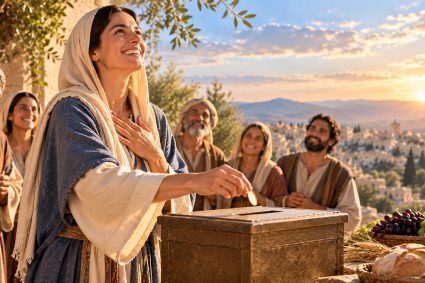
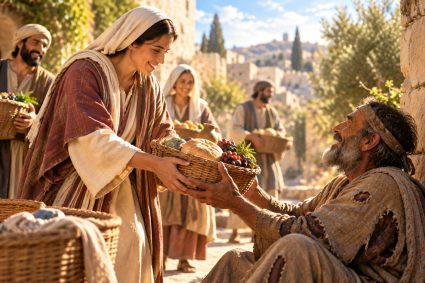
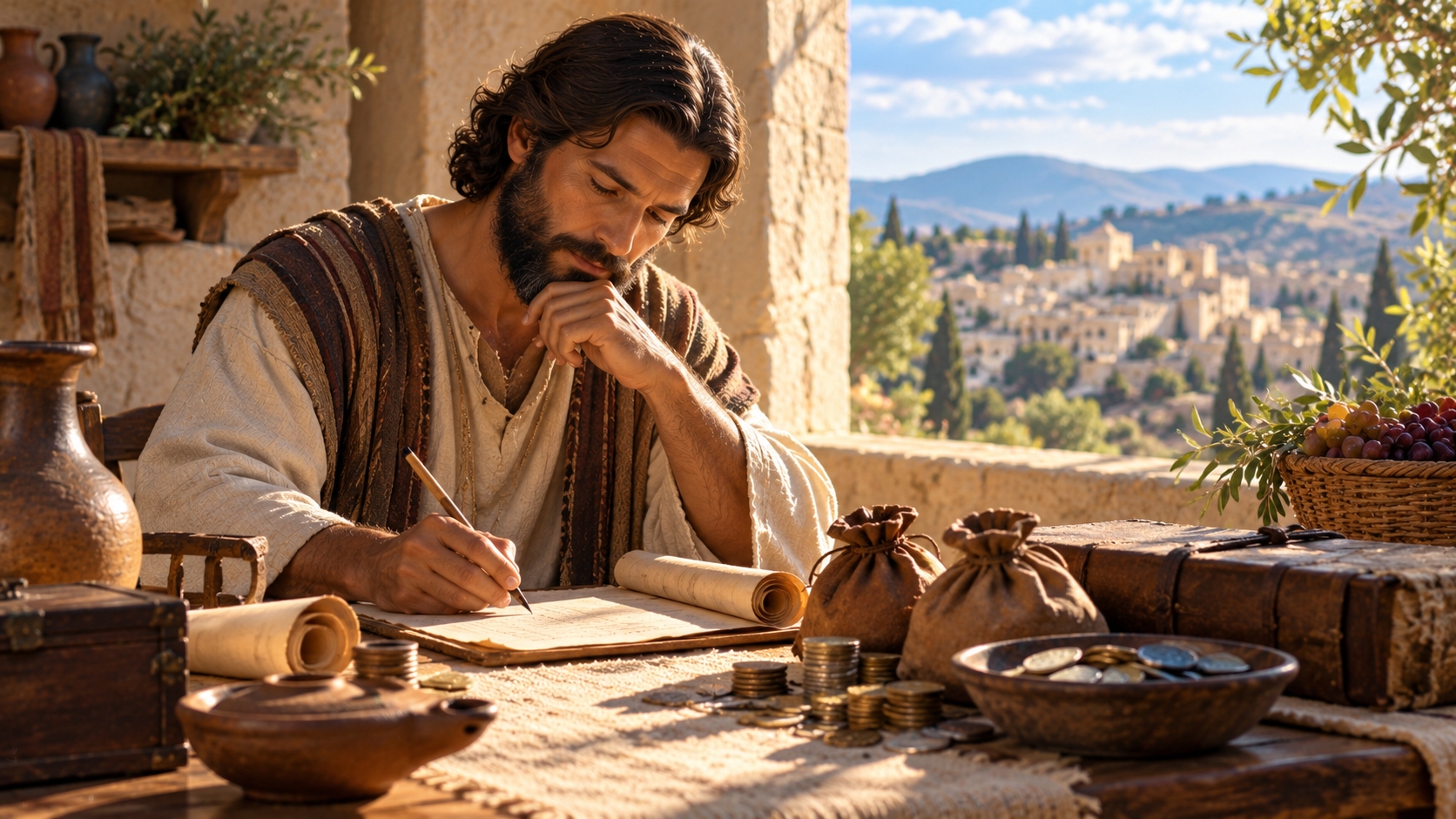
In 2 Corinthians 8 and 9, Paul shows that Christian giving should not happen randomly, thoughtlessly, or merely as the result of a passing emotion. The Corinthians had already expressed their desire to participate in the collection for the impoverished believers in Judea, but now they were to consciously and faithfully carry their commitment through to completion. Paul emphasizes that each person should give what they have decided in their heart to give. Giving therefore requires an inner decision, spiritual reflection, and practical planning. Such planning does not make the gift less spiritual; rather, it shows that we take God’s grace seriously and handle responsibly what He has entrusted to us. Those who give according to a plan unite gratitude, faithfulness, and trust in a concrete service for God’s work.
📜 2. The Biblical Foundation
Paul writes:
“Each of you should give what you have decided in your heart to give, not reluctantly or under compulsion, for God loves a cheerful giver.”
2 Corinthians 9:7
Earlier, he had already encouraged the Corinthians to complete what they had begun:
“Now finish the work, so that your eager willingness to do it may be matched by your completion of it, according to your means.”
2 Corinthians 8:11
And he explains the principle of proportionality:
“For if the willingness is there, the gift is acceptable according to what one has, not according to what one does not have.”
2 Corinthians 8:12
In 1 Corinthians, Paul had already called for an orderly collection:
“On the first day of every week, each one of you should set aside a sum of money in keeping with your income.”
1 Corinthians 16:2
These verses show that Christian giving should be voluntary, intentional, proportional, and orderly.
🌍 3. Connection to Our Time
Even today, giving often happens spontaneously, depending on mood, opportunity, or external pressure. Sometimes people give when they are emotionally moved but forget regular faithfulness. Others sincerely want to be generous, yet they do not plan and eventually discover that very little remains for God’s work. Paul helps us remove generosity from the realm of chance and make it a permanent part of our spiritual life. Planning does not mean that the heart becomes cold; rather, it means that love becomes practical and dependable. Those who consciously plan their giving show that God’s mission does not come only after every other expense has been covered, but has a permanent place in their lives.
💡 4. Central Message of the Lesson
👉 Planned giving is a voluntary, proportional, and intentional response to God’s grace through which our stewardship becomes faithful, dependable, and mission-oriented.
✝️ 5. Theological Focus
The theological focus of this lesson is that giving is a conscious decision of the heart before God. Paul says, “Each of you should give what you have decided in your heart to give.” This makes it clear that a gift is not primarily determined by external pressure but by an inner decision made before God. Christian giving is not mechanical; it is spiritually responsible.
This “decision in the heart” shows that planning is part of faith. God Himself does not act randomly. The plan of salvation was not an afterthought, but an expression of His eternal love and wisdom. If God acts purposefully in His self-giving, then our response to His grace may likewise be intentional, orderly, and faithful. Planning is therefore not the opposite of spirituality but can be an expression of spiritual maturity.
Paul connects planning with willingness. No one should give reluctantly or under compulsion. God is not looking for a forced gift that appears correct outwardly while being given unwillingly within. A gift may be large and yet spiritually poor if it arises only from pressure, fear, or self-promotion. Conversely, a modest gift may be spiritually rich when it comes from love, trust, and gratitude.
At the same time, willingness does not mean arbitrariness. Paul clearly calls the Corinthians to fulfill their commitment. They had begun, and now they were to complete it. Spiritual freedom does not mean supporting God’s work only when something happens to be left over or when one happens to feel like it. Freedom before God leads to responsible faithfulness.
Another important emphasis is proportionality. Paul says that each person should give according to what they have, not according to what they do not have. God does not demand the same amount from everyone because people have different opportunities, responsibilities, and circumstances. Yet God calls everyone to give in proportion to what has been entrusted to them.
Here the principle of offerings differs from that of the tithe. The tithe is defined in the Bible as a specific proportion. Offerings, however, are voluntarily planned and decided in the heart. Yet they, too, should not be arbitrary or thoughtless. They should correspond to what God has given and demonstrate that we recognize His provision.
Planning protects giving from self-deception. Without planning, we may say, “I want to be generous,” while in the end other expenses determine our lives. What is not planned is easily pushed aside. Paul calls us to put our spiritual convictions into practical order. If God’s work is important, it should also be visible in our planning.
Giving is also an act of trust. Those who decide in advance to set something aside for God and for others confess: My life does not ultimately depend on my possessions, but on God’s faithfulness. This attitude stands against the fear of never having enough. It says: God has provided for me, and I want to consciously pass on what I have received.
The theological core is this: Planned giving is stewardship before God. It brings together grace and responsibility, freedom and faithfulness, heart and order. It shows that our possessions are not used randomly but are placed under the lordship of Christ. Where the heart is moved by God’s grace, the planning of life will also be shaped by that grace.
🌟 6. Spiritual Deepening
This lesson leads us to ask whether our generosity is merely an occasional reaction or a permanent expression of our discipleship. Many people would like to give, but they do not plan for it. They wait for the right moment, for stronger emotions, or for a better financial situation. Yet if giving always remains spontaneous, it can easily be displaced by other priorities.
Paul shows a more mature way. Each person should decide in their heart what they want to give. This means that we may talk with God about our resources. We may pray, examine, calculate, and decide. Spiritual giving is not blind but intentional. It is not thoughtless but responsible. It is not chaotic but orderly.
Such planning helps us become honest. It is easy to say that God’s work is important. But our planning reveals the place it actually occupies. Whatever we regularly plan time, money, and energy for has significance in our lives. If mission, help for those in need, and the church appear only at the end, after everything else has already been paid for, then we need to examine our hearts.
At the same time, Paul protects us from false comparison. Not everyone can give the same amount. A wealthy person and a poor person do not have the same possibilities. God sees not only the amount but also the heart and the proportion in relation to what has been received. This truth protects the poor from shame and the wealthy from self-satisfaction. What matters is faithfulness in relation to what God has entrusted to us.
The principle “according to what one has” is deeply pastoral. God does not call anyone to act irresponsibly or to ignore legitimate obligations. But He does call us to honestly ask what is possible. Sometimes we give less not because we cannot, but because we do not want to. Planning helps expose such excuses.
Giving often reveals where our trust lies. If we are afraid of not having enough, giving becomes difficult. If we see possessions as our ultimate security, we hold on tightly. But when we recognize God as our Provider, we learn to let go. Planned giving then becomes an exercise in faith. It trains the heart to be governed less by fear and more by trust.
Joy remains important throughout this process. Paul connects planning not with pressure but with a cheerful heart. A cheerful giver is not carelessly lighthearted but inwardly free. Such a person knows that everything they have comes from God. They also know that God’s work is more important than personal comfort. Therefore, they can give without becoming inwardly bitter.
This joy does not grow automatically. It grows by looking to Christ. Those who look only at numbers may become narrow-hearted. But those who look at God’s grace become thankful. Christ gave Himself. He became poor for our sake. He gives forgiveness, hope, and eternal life. When this vision fills our hearts, giving is no longer primarily experienced as loss but as a response of love.
Planning makes love dependable. A spontaneous gift can be beautiful, but planned faithfulness provides long-term support. Churches, missions, relief organizations, and people in need require more than occasional enthusiasm; they need consistent support. When believers give consciously and regularly, God’s work is supported in a stable way. Thus personal stewardship becomes shared mission.
Planned giving also brings order into personal life. It helps establish priorities and limit consumption. It reminds us that we do not have to use everything we possess for ourselves. It creates room for gratitude, responsibility, and foresight. Those who first ask what belongs to God and what can serve others become freer from the power of always wanting more.
Paul’s words also challenge us to be honest about our excuses. Perhaps we say, “I will give later when I have more.” But if the heart does not learn to give now, greater possessions will not automatically produce greater generosity. Generosity does not begin with wealth but with surrender. Those who are faithful with little will also be able to handle more responsibly.
At the same time, no one should be driven into feelings of guilt by this lesson. Paul does not want a gift given under compulsion. God loves a cheerful giver, not someone who is inwardly crushed or manipulated. Therefore, it is important to speak honestly with God and find a way of giving that is faithful, voluntary, and proportional. Spiritual growth happens step by step.
This lesson reminds us that stewardship is an area of discipleship. We do not follow Christ only with words, songs, and prayers, but also with our decisions concerning possessions. A person’s calendar, bank account, and priorities say much about their heart. God also wants to bring this area under His grace.
When we learn planned giving, our lives become more intentionally directed toward God’s kingdom. We do not merely react; we make conscious decisions. We do not merely wait for feelings; we act from conviction. We do not give from leftovers but from gratitude. In this way, our stewardship becomes a practical testimony that God’s grace changes both our hearts and our priorities.
🔧 7. Practical Application
Practical Steps:
- Pray about the way you handle money, possessions, time, and gifts.
- Consciously decide what place tithes and offerings should have in your life.
- Plan your giving regularly instead of giving only spontaneously or randomly.
- Give proportionally according to what God has entrusted to you.
- Honestly examine which excuses are holding you back from greater faithfulness.
- Avoid giving under compulsion, but also avoid indifference disguised as freedom.
- Intentionally place God’s mission ahead of unnecessary consumption.
- Ask God for a cheerful, faithful, and trusting heart.
❓ 8. Reflection Question
Does my planning reflect that God’s grace, His mission, and the needs of others have a permanent place in my life?
🌟 9. Closing Thought
Paul shows that Christian giving should be intentional, voluntary, and proportional. Each person should give what they have decided in their heart, neither reluctantly nor under compulsion. Planning does not deprive giving of its spiritual character; rather, it makes love faithful and dependable. Those who order their giving before God confess that everything they have received comes from His hand and should be used for His glory. In this way, stewardship becomes a practical response to God’s grace. Planned, cheerful, and responsible giving demonstrates that Christ shapes not only our hearts but also our priorities.
“Each of you should give what you have decided in your heart to give, not reluctantly or under compulsion, for God loves a cheerful giver.”
2 Corinthians 9:7 🧭📊🙏✨
