

👤 The Biblical Person of the Day
📜 Obadiah – The Prophet against Pride
📌 Profile
- Name: Obadiah
- Time of birth: unknown
- Place of birth: unknown
- Time of death: unknown
- Age: unknown
- Occupation: Prophet
📖 Short Story
Obadiah was a prophet of God about whose personal life very little is known. His name means “servant of the Lord.”
Although his book is the shortest book in the Old Testament, it contains a serious and clear message. Obadiah speaks primarily about Edom, the brother nation of Israel, which descended from Esau.
Edom had turned against Judah. When Jerusalem was in distress, Edom did not help, but watched with malicious delight and took advantage of the weakness of its brother nation.
Obadiah condemned this pride. The Edomites felt secure in their rocky dwellings and believed that no one could reach or overthrow them.
But through Obadiah, God showed that no place is too high and no power too secure when a people harden themselves in pride, violence, and delight over the suffering of others.
Obadiah’s message is therefore a warning against pride and rejoicing over the misfortune of others. Whoever looks down upon the fall of a brother will also stand before God’s judgment.
At the end, however, Obadiah also offers hope: The kingdom belongs to the Lord. Neither Edom, nor human pride, nor violence will have the final word, but God.
🔥 The Decisive Moment
Obadiah proclaims God’s judgment upon Edom’s pride and reminds us that in the end the Lord will reign as King.
✨ 7 Special Things about Obadiah
- His name means “servant of the Lord”
- He wrote the shortest book in the Old Testament
- His message is directed especially against Edom
- He condemned pride and malicious delight
- He reminded people that God sees injustice
- He spoke about the day of the Lord over the nations
- He concluded with the hope: The kingdom belongs to the Lord
⚖️ Strengths & Weaknesses
✔ clear in his message
✔ courageous in confronting pride and injustice
✔ reminded people of God’s justice
✔ pointed to the hope of God’s reign
❌ very little is known about his personal life
❌ his message is short, but very serious
❗ The Mistake That Shaped Him
The Bible does not report any specific personal failure of Obadiah.
➡️ His life and his book are shaped above all by his clear message against pride, malicious delight, and betrayal between brothers.
📜 Key Verse
“The pride of your heart has deceived you.” (Obadiah 1:3)
🧠 The Life Lesson
Pride deceives the heart and causes people to believe they are secure, even though they are fragile before God.
🎯 Application for Today
Do not rejoice over the fall of others. Remain humble, helpful, and merciful, especially when someone has fallen into distress.
❓ A Question for You
Where do you need to be careful today that inner distance does not turn into malicious delight or arrogance?
📌 Context
Obadiah’s message stands in the context of the conflict between Judah and Edom, two nations whose ancestry goes back to the brothers Jacob and Esau.
🔗 Connection
Obadiah connects the history of Edom with the greater theme of the day of the Lord and God’s final reign.
Conclusion:
Obadiah shows that God does not overlook pride, malicious delight, or unfaithfulness. His book calls us to humility and reminds us that in the end the kingdom belongs to the Lord.
See you tomorrow with the next biblical person! 📖
✨ The Life Story ✨
✨ The Life Story of Obadiah – The Voice against Pride ✨
🌄 A Prophet Who Left Few Traces
Obadiah is one of the prophets about whose personal life the Bible gives hardly any details. We learn nothing about his family, his place of birth, or the exact circumstances of his daily life.
Yet this very lack of personal detail directs our attention strongly toward his message. Obadiah does not come forward with a long life story, but with a brief, serious, and powerful word from God.
His name means “servant of the Lord.” This name fits his calling: He does not place himself at the center, but serves the message that God gives through him.
📜 The Shortest Book with a Serious Message
The book of Obadiah is the shortest book in the Old Testament. It contains only one chapter, yet its words carry great weight.
Obadiah speaks about Edom, the nation descended from Esau. Edom and Israel were therefore not simply foreign nations without any connection, but historically stood in a brotherly relationship to one another.
For this very reason, Edom’s guilt was especially serious. Where help, compassion, and restraint were needed, Edom showed pride and malicious delight.
🏔️ Edom’s False Security
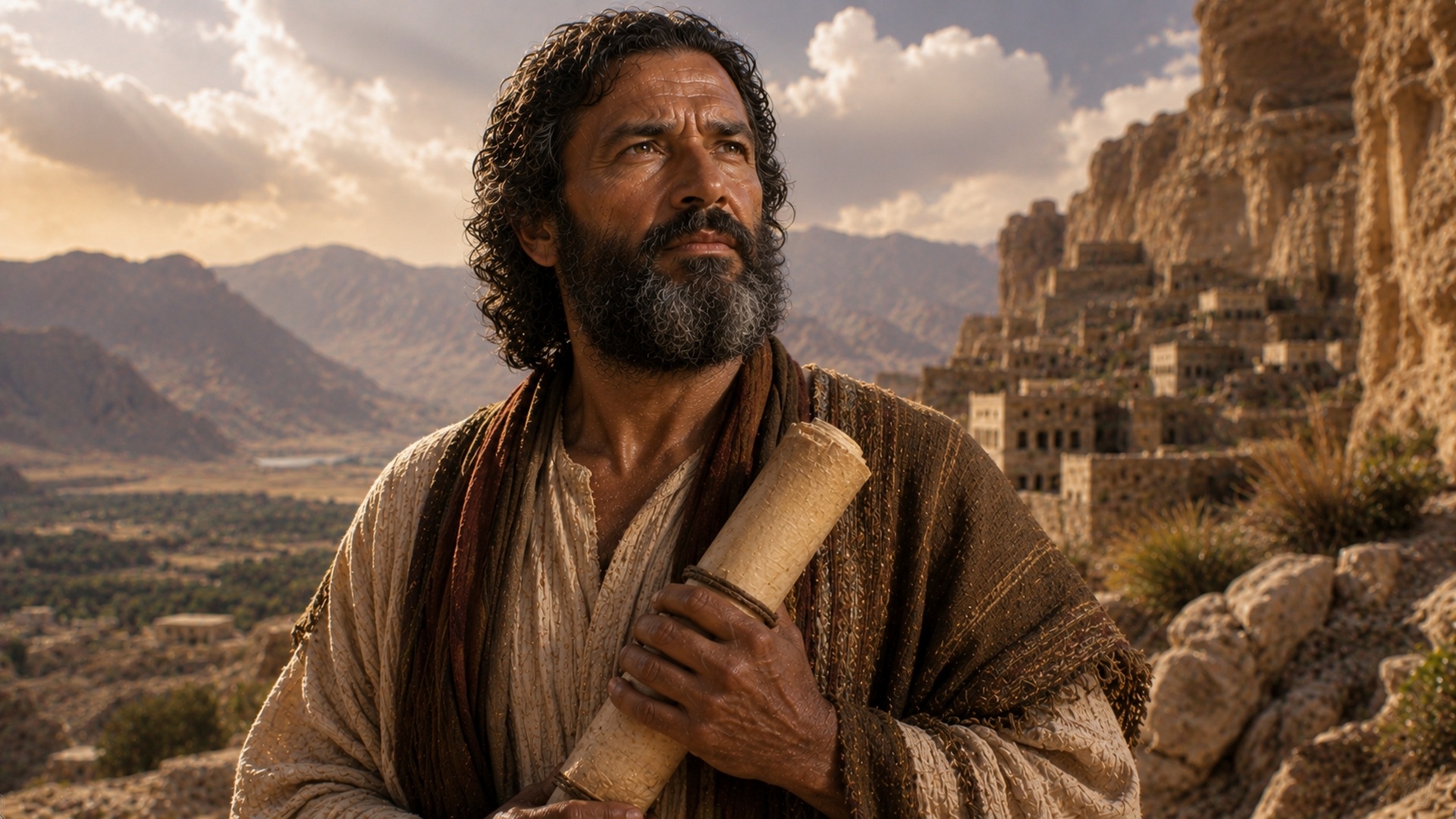
Edom was located in a rocky mountain region and felt secure because of its position. The people trusted in their hard-to-reach dwellings and in their natural defenses.
This outward security nourished inward pride. Edom believed that it lived high enough to be beyond attack.
But Obadiah made it clear that no rock, no height, and no human strength can protect a person from God’s judgment when the heart has become proud.
💔 The Pride of the Heart
Obadiah clearly identified Edom’s real problem: The pride of its heart had deceived the nation.
Pride is dangerous because it prevents people from seeing the truth about themselves. It whispers that they are secure, superior, and untouchable.
But before God, a proud heart is not strong, but blind. It fails to recognize how dependent it is upon God’s grace.
🔥 Malicious Delight over a Brother
It was especially serious that Edom rejoiced over Judah’s day of disaster. When Jerusalem was in distress, Edom did not stand beside it with help.
Instead of showing compassion, Edom looked down upon Judah, took advantage of the weakness of its brother nation, and sided with injustice.
Obadiah therefore shows that malicious delight is not a small movement of the heart. When a person rejoices over another’s fall, it often reveals more about their own heart than about the other person.
⚖️ The Day of the Lord
Obadiah’s message does not stop with Edom. He speaks about the day of the Lord upon all nations.
This means that God’s justice concerns more than one particular nation. No person and no nation stands outside its accountability before God.
What Edom had done to others would return upon Edom. Obadiah reminds us that God does not forget how people respond to the distress of others.
🕊️ Hope for God’s People
As serious as Obadiah’s message is, it does not end without hope. God will not abandon His people forever.
Mount Zion is named as a place of deliverance. There will be rescue there, and God’s order will become visible again.
Obadiah thus shows that God’s judgment is not the final word of history. The final word belongs to God’s reign.
👑 The Kingdom Belongs to the Lord
The final sentence of the book carries great power: The kingdom will belong to the Lord.
This places all human boasting into perspective. Edom’s rocks, political power, pride, and malicious delight disappear before the greater reality that God reigns.
Obadiah directs our eyes away from the apparent strength of human beings and toward the final rule of God.
✨ The Lasting Message of His Life
Obadiah shows that even a brief word from God can penetrate deeply into the heart. His message makes clear that pride deceives people and that malicious delight weighs heavily before God.
It reminds us that true security is not found in position, possessions, ancestry, or strength, but in humility before God and faithfulness toward our neighbor.
🌌 Closing Thought
Obadiah remains in the background as a person, but his message stands clearly before us. He was a servant of the Lord who confronted Edom’s pride with God’s truth.
His brief book calls us not to triumph over others, but to live humbly before God and to treat people in distress with mercy.
👉 His life story shows: A proud heart can deceive itself, but whoever remains humble before God stands on firmer ground than any human rock.
